
Opinion
3,267 stories on this topic — browse the full collection below.
Latest development
Most recent
More in this storyline
Newest first
Opinion: The OIC makes the case for competition, then pushes less competition
Elizabeth New questions a universal primary care model under discussion and urges more choices and clearer prices for routine care.

Opinion: Olympia’s war on its own citizens
Nancy Churchill argues wolf rules, energy codes, Snake River dams, girls' sports and ESSB 6346 reflect what she calls oikicide.
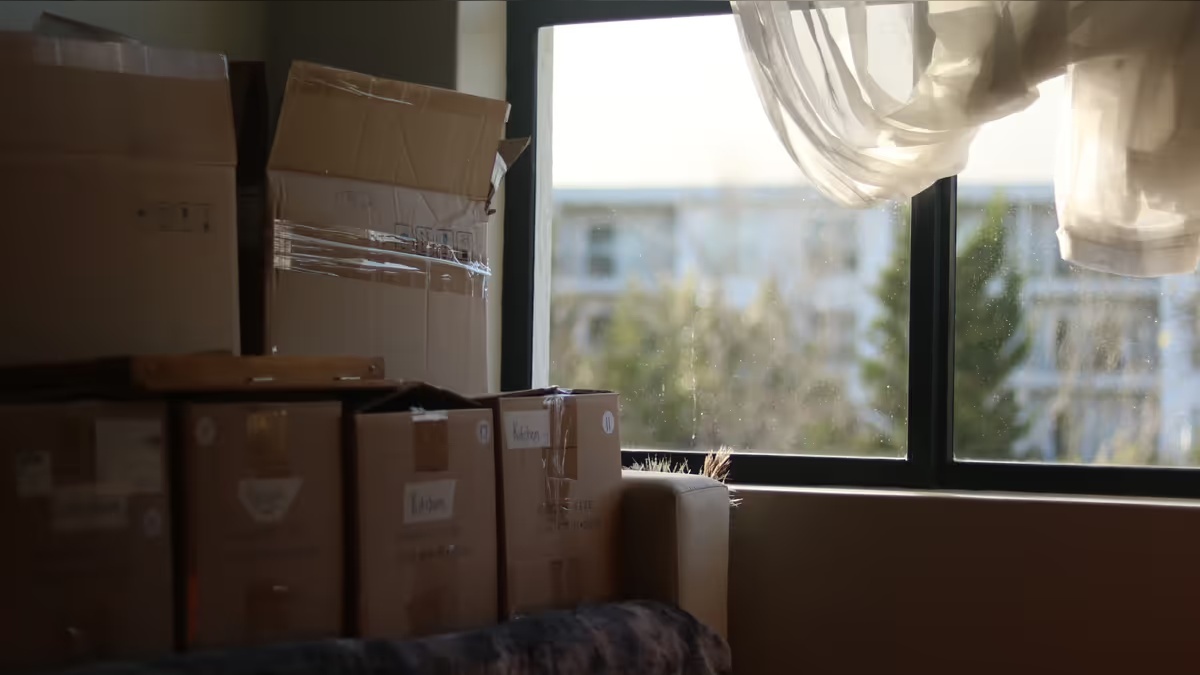
Opinion: Newest IRS data is a celebration for Idaho and a dire warning for Washington
Chris Cargill of Mountain States Policy Center cites migration figures from tax returns filed in 2023 and 2024 to argue policies have consequences.

Letter: What to do when your big brother is a bully
James Teague of Vancouver points to a spent $14 billion surplus, a $2 billion deficit and new fees as reasons to sound alarms.

Opinion: Boondoggle Bridge brings big problems for daily drivers
Lars Larson writes that the cost estimate rose from $5 billion in 2022 to $15 billion, with tolls starting years before completion.
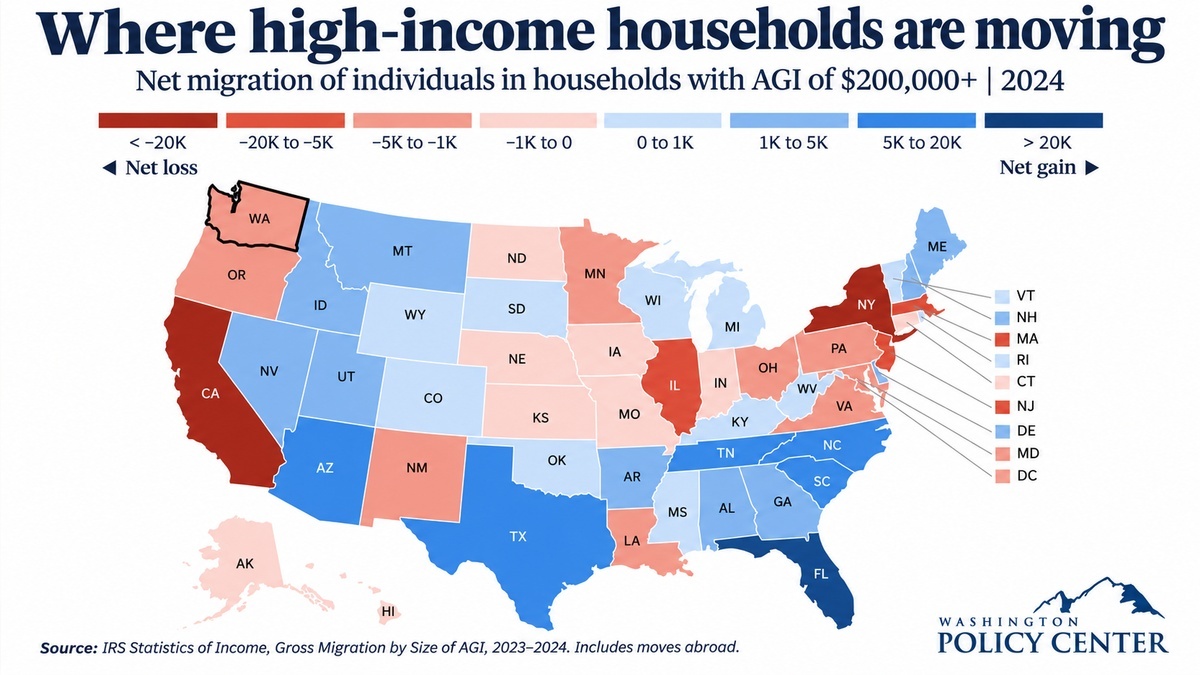
Opinion: New IRS data – Washington lost another 4,527 high earners in 2024
Ryan Frost writes that lawmakers are building an increasingly expensive government on an increasingly narrow tax base.
Letter: ‘These people need to respect our vote!’
Linda Watson writes that 1.7 million Washington voters passed Initiative 638 and names the groups she says must honor that outcome.
Letter: Nuclear war cannot be won. Full stop.
A Camas resident writes that diplomacy does not require friendship or blind trust, and urges Trump, Xi and Putin to keep talking.
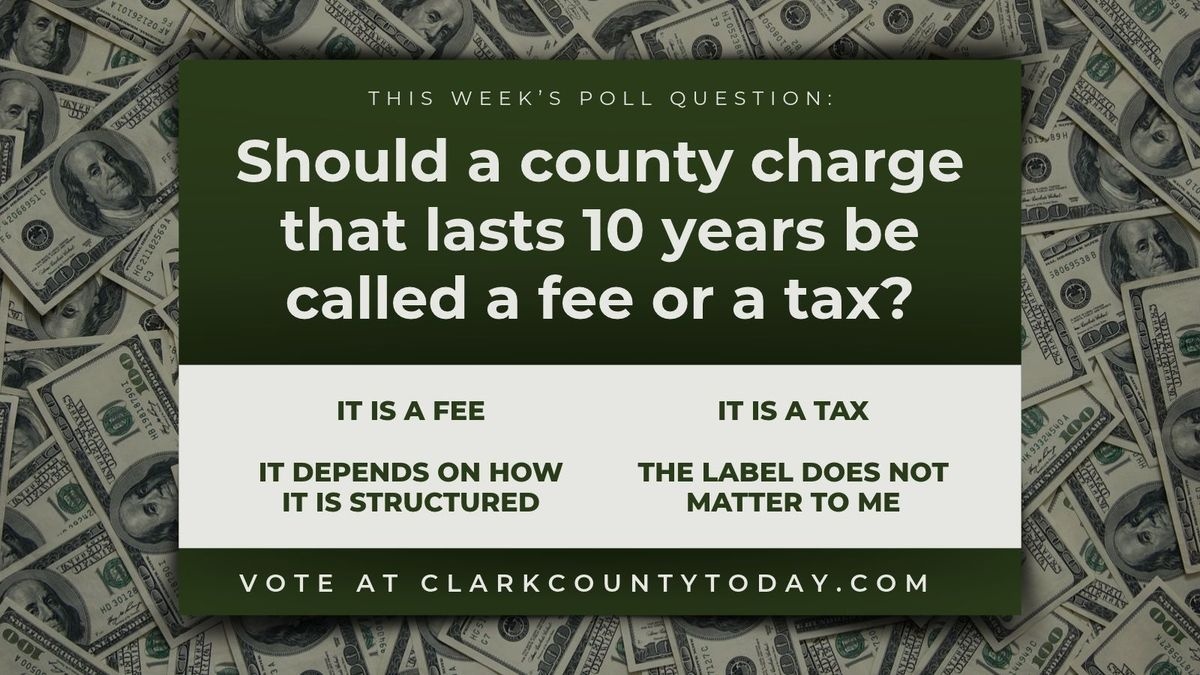
POLL: Fee or Tax? Weighing How to Label a 10-Year County Charge
The Clark County Council voted 4-1 on $15.08 per year plus 10 cents per acre for landowners to help fund the Clark Conservation District.

Opinion: Vancouver’s impact fee deferral is a step forward, but misses the larger affordability challenge
Mark Harmsworth writes that delayed payment eases developer financing but does not substantially reduce housing development costs.
Opinion: Will I-638 succumb to the same fate as 'Parents Bill of Rights' in WA state?
Ashley Johnson of Defending Education sees an alarming pattern of disregarding voters, citing a lawsuit and the attorney general's outside law firm.

Opinion: Washington's tax buffet is open – and it's all you can eat
Chris Cargill points to a projected $4 billion budget gap and former governors Gregoire and Locke to argue Olympia has a spending problem.

Opinion: Judges spill water, you pay the bill
Nancy Churchill argues court-ordered dam operations raise Bonneville Power Administration costs that customers end up paying.

Opinion: Final revenue forecast of 2026 shows Washington still spends more than it collects
Ryan Frost estimates the 2027-29 shortfall will likely be closer to $6-7 billion unless spending slows sharply or taxes rise.

Opinion: The age when a neighbor has nothing left to prove
Douglas Vandergraph uses the Silver Citizen Award to urge Clark County to avoid assumptions about what people can contribute because of age.

Opinion: Wyoming the best, Washington the worst in regional tax competitiveness ranking
Marta Mossburg argues the Tax Foundation's annual index should serve as a road map for policymakers weighing reforms.

Opinion: Washington’s bounty offers an opportunity for a ‘homegrown Thanksgiving’
Agriculture policy director Pam Lewison points to in-state sources for turkey, potatoes, flour, dairy, produce and beverages for a holiday meal.
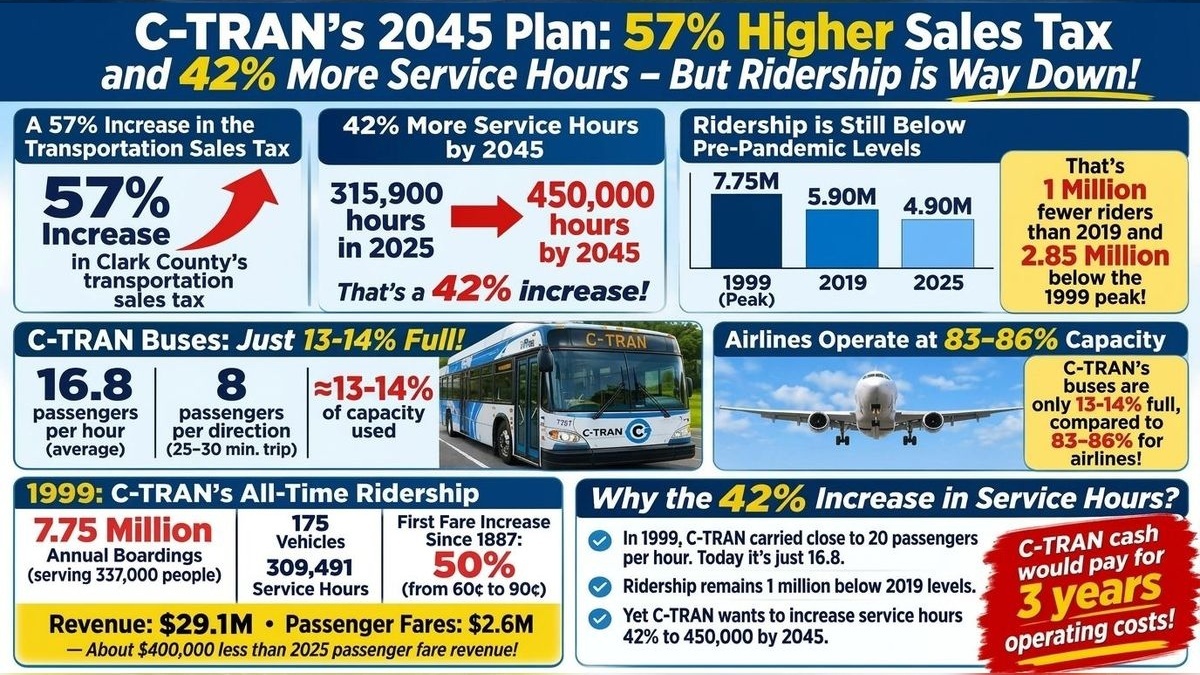
Opinion: C-TRAN’s 2045 Plan Assumes unlimited funding
John Ley writes that about 4.9 million boardings in 2025 match 1996 levels, in a county he says has 200,000 more residents.

Opinion: State’s paid-leave program helps some workers by harming others
Elizabeth New of the Washington Policy Center argues the PFML payroll tax takes money from people in need and urges lawmakers to end it in 2027.
Letter: C-TRAN proposes 2045 Light Rail Plan, public input period open thru Mon. Nov. 16
Douglas Tweet of Camas argues the sales tax rate would rise from 0.7% to 1.1% by 2040 and urges residents to contact officials before Dec. 8.

Opinion: Shyster AG in WA decides to stab voters while keeping the blood off his own hands
Lars Larson argues Nick Brown is hiring an outside law firm for I-638 because Brown wants to lose in court without his fingerprints on it.
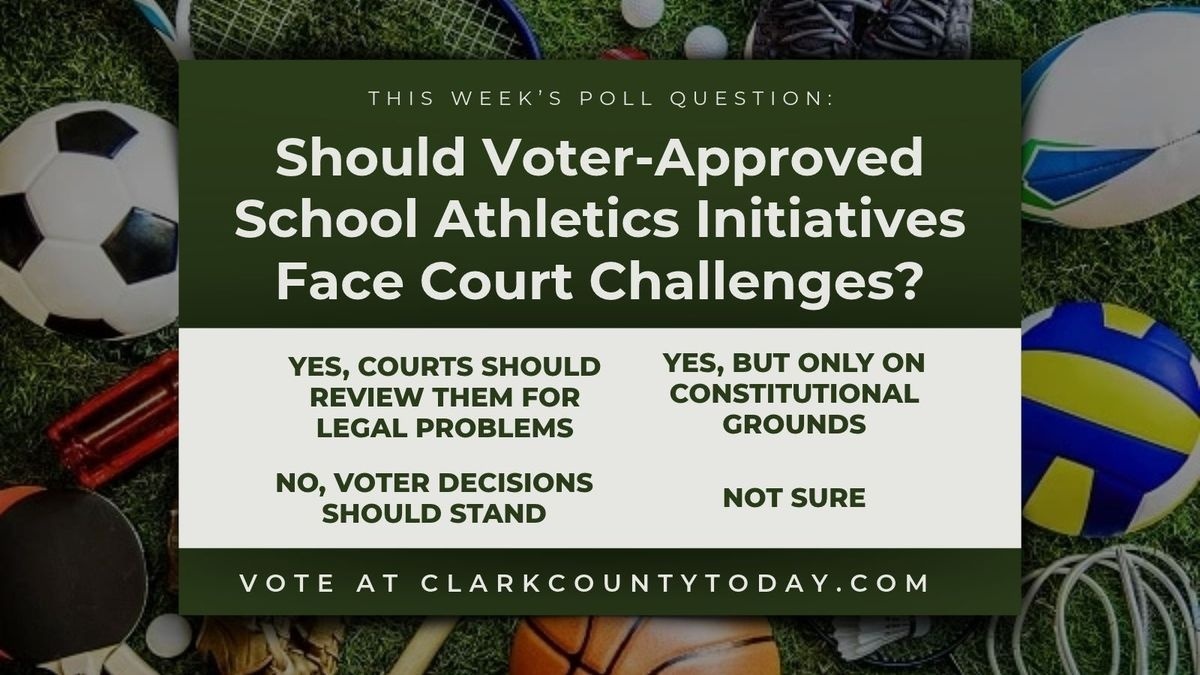
POLL: Should Voter-Approved School Athletics Initiatives Face Court Challenges?
A lawsuit seeks to overturn I-638, and the U.S. Department of Education has opened a Title IX investigation into the Camas School District.
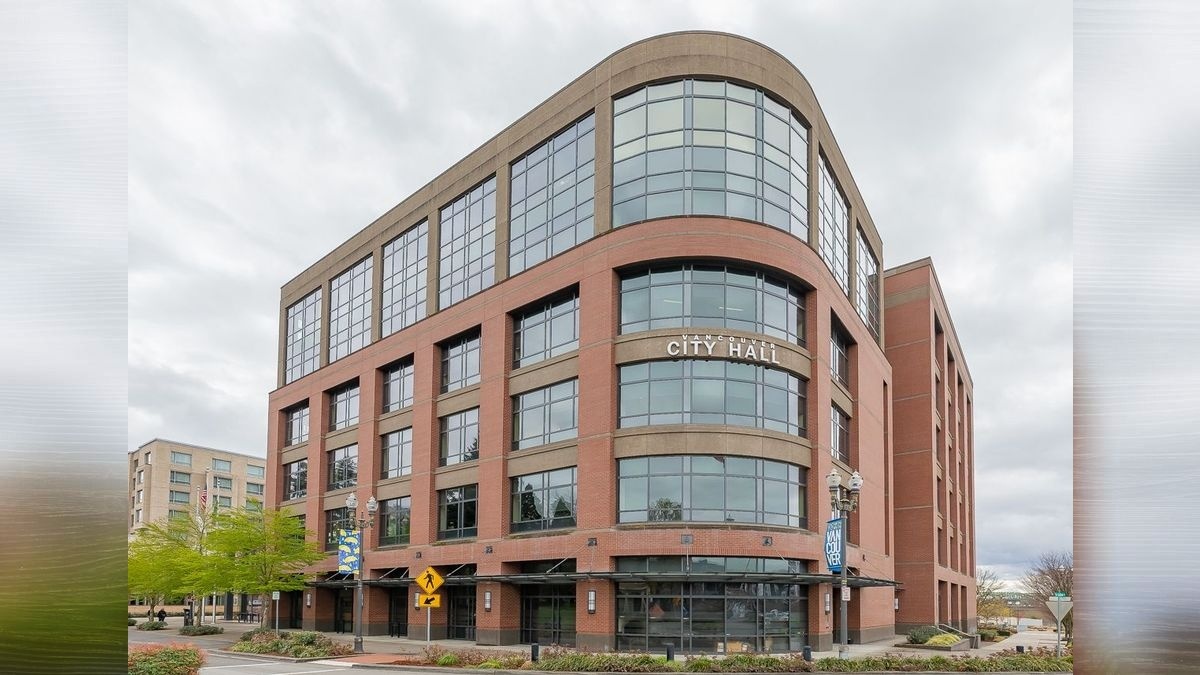
Opinion: Vancouver may remove its city manager Friday — Then approve his $2.3 billion budget Monday
Peter Bracchi says Council actions on Lon Pluckhahn and the spending plan fall within about 72 hours, making transparency especially important.

Opinion: Here we go again – Washington's education establishment wants more cash
Chris Cargill points to $19,371 in per-pupil spending and a drop in enrollment as three school districts prepare to sue the state.

Opinion: CCRP Chairman Matt Bumala asks Republicans, ‘So are you ready to reload?’
Ken Vance responds to a party chairman's video urging supporters to regroup after the Nov. 3 election and shares his own view of the results.

Opinion: Don’t leave the money on the table
Nancy Churchill urges Governor Ferguson to opt Washington into a federal tax credit she says can support tutoring and after-school programs.
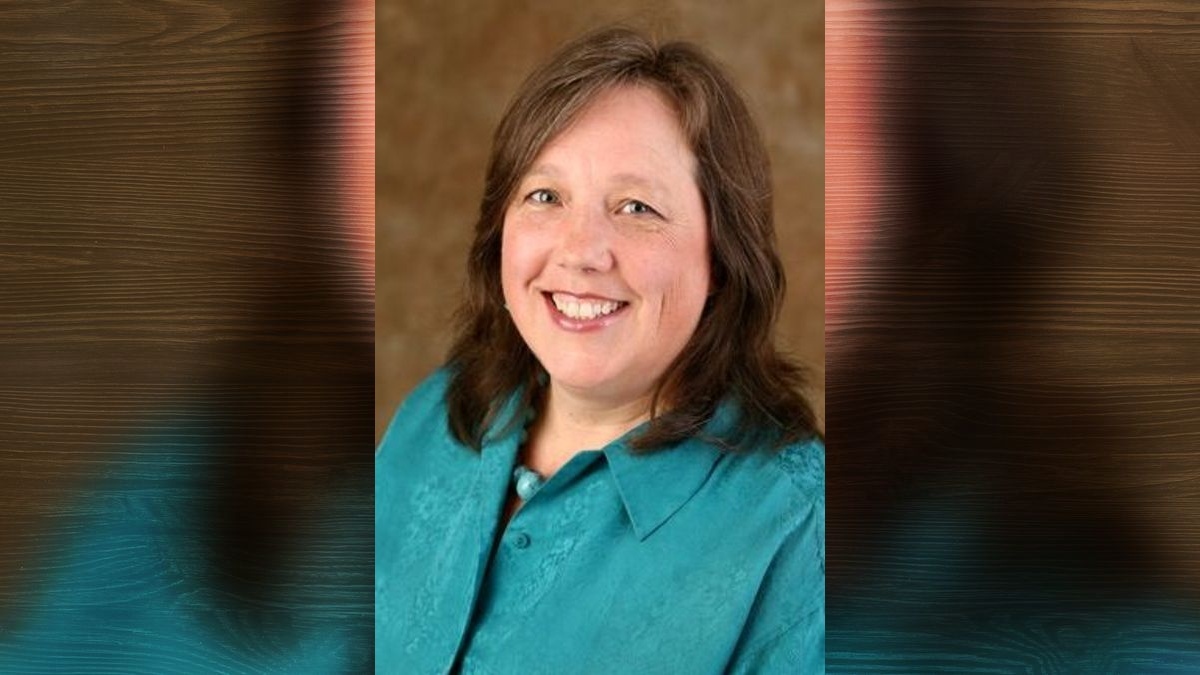
Letter: C-TRAN 2045 plan to raise taxes and public debt
Margaret Tweet urges residents and businesses to oppose the transit agency's proposal and send written comments through Nov. 16.

Letter: Charter Amendment 25 to the finish line!
A La Center resident argues that requiring four of five councilors to approve tax increases would represent the people better.

Letter: ‘It’s easy to cast a vote in favor of a tax that will never apply to you or anyone in your neighborhood’
James Teague asks how many of the roughly 21,000 filers subject to the millionaire levy will keep a principal residence in Washington in 2029.
Places in this coverage
Related topics
Prefer to explore by section? Browse all Opinion stories →