
Imagine you are a single parent who needs all of your wages to get by. You prioritize needs, you don’t have extras and your benefits at work are limited. But you’re making your household budget work. You hope to earn a pay increase soon so you can start building savings for unexpected needs.
 Elizabeth New
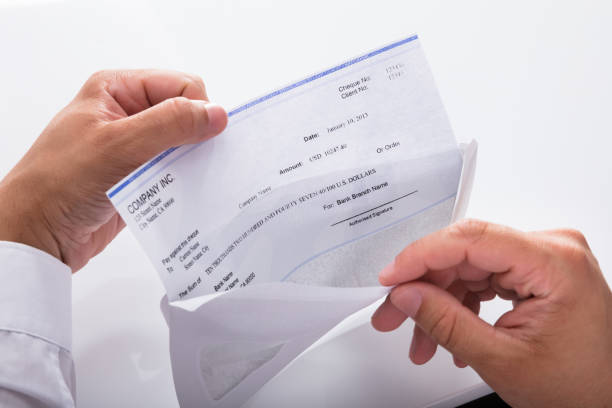
When you receive your paycheck, you notice more money taken out than you expected, given the tax code and where you fall within it. When you ask your employer about the deduction, you learn that Washington state has a law requiring a portion of your wages to fund paid leave for other workers — including your neighbors, a dual-income couple who just had a baby. Never mind that this couple planned and prepared to grow their family and has money in the bank to help with this change in family size. They also have employers who offer them paid time off they can use while they navigate being new parents. They are not in need of taxpayer dependency.
Your employer tells you that not only is money deducted from your paycheck to fund such a benefit, but she also has to contribute because her business has at least 50 employees — and it’s money that could have gone toward the raise you hoped for to make things easier and start your own rainy-day fund.
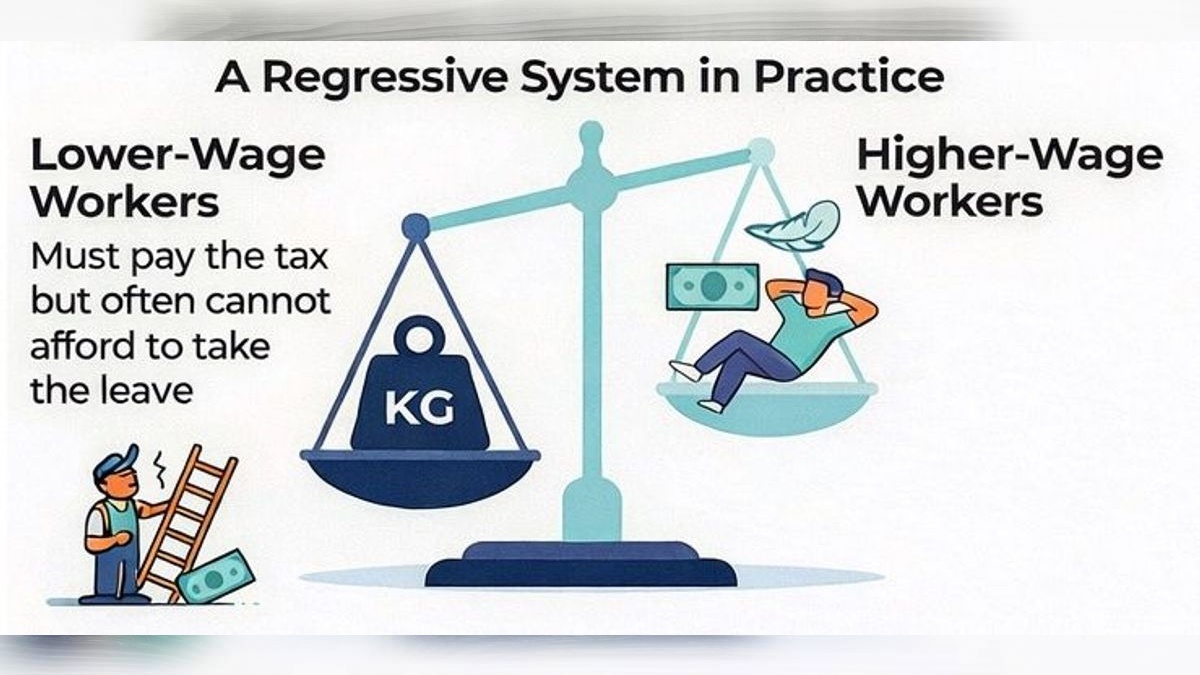
Welcome to Washington state’s Paid Family and Medical Leave payroll tax, one of the worst taxes you’ll ever meet. It’s a reverse Robin Hood. The state takes money from people in need and often gives it to workers who are not in need.
Many lawmakers here are proud to have passed it into law. They boast that people are grateful for the paid time off they’ve received at the expense of other workers in the state. They never talk about the workers who were struggling to make ends meet, forced to give up a portion of their wages to make life easier for a worker who didn’t need their help.
The people who use PFML are most often people with middle or upper incomes. In fact, my research shows that in fiscal year 2026, workers making $61 or more an hour accounted for 19% of PFML claims, compared with 8% for workers in the lowest wage group — more than twice the share. It’s becoming the pattern for the program.
I bet the majority of Washingtonians would oppose PFML if they clearly saw it was hurting the ability of other workers to meet their own needs. Lawmakers should do away with this payroll tax in 2027. Instead, legislators are discussing increasing the tax rate further. Read more about what lawmakers could do here.
Regressive taxes aren’t going away, despite the new income tax
While lawmakers continue to insist they want taxes in Washington state to be less regressive, they continue to pass taxes that hurt low-income workers and benefit higher earners. WA Cares is another payroll tax taking money from most workers and providing benefits regardless of financial need.
Lawmakers also refuse to lower the state's general sales tax rate, even though they say it makes Washington's tax system so regressive.
Even when they passed an unconstitutional income tax this year, they did not lower the general sales tax rate or replace the tax. The payroll taxes mentioned were also kept in place. The income tax will simply become another one of the many layers of tax in Washington state, making the state less competitive. And it will likely end up hurting workers and nonworkers in the form of fewer job opportunities and higher everyday prices. Right now, taxpayer money is being wasted defending the unconstitutional tax in court.
The PFML payroll tax rate has increased from 0.40% in 2019. It rises to 1.2% starting in 2027. The single parent needs to get ready for a pay cut, compliments of the state.
Elizabeth New (Hovde) is the director of the Centers for Health Care and Worker Rights at the Washington Policy Center. She is a Clark County resident.
Comments
Loading comments…