
Editor’s note: Opinions expressed in this letter to the editor are those of the author alone and may not reflect the editorial position of ClarkCountyToday.com
The C-TRAN 2045 Plan adds High Capacity Transit such as more VINE Bus Rapid Transit-BRT, new light rail or street cars, Zero Emissions Electric vehicles, Transit Oriented Development Facilities, and more. Tax increases and a significantly higher cost of living will result in Clark County if the 2045 Plan is adopted. I strongly urge residents and businesses to oppose this extremely costly and unnecessary plan.
The Puget sound area Sound Transit system is focused on costly light rail, and serves as a warning:
The Washington Policy Center reports, “The average household in the Sound Transit district now pays over $1,700 per year to Sound Transit in sales tax, motor vehicle excise tax and property tax. Despite that high level of subsidy, Sound Transit’s light rail lines carry less than 1% of all the trips residents take around the region each day, and total transit ridership in the region is lower now than it was ten years ago”.
See C-TRAN 2045 Plan
Written Comments: Put “CTRAN 2045 Plan Input” in subject line submit thru Nov 16, 2026 to [email protected] or via comment form https://www.c-tran.com/c-tran2045
Written comments: for Tues. Nov 10 Public Hearing due: Noon on Nov. 10.
Put “CTRAN 2045 Plan Hearing” in subject Line and email to [email protected] Call in 1-408-418-9388 Access Code: 2482 423 8370 plus details here
Testify In Person: 10600 NE 51st Circle, Vancouver, WA 98682, bring Written comments to turn in.
Next: CTRAN BOARD will decide whether to adopt the plan at the Dec. 8 CTRAN Board Meeting.
In 2025: WSDOT directed CTRAN to change the Board composition to 4 Vancouver Members, 3 Clark County Members, and 2 Members other cities. Ostensibly, this was to reflect population distribution, but it doesn’t.
Per the state Office of Financial Management April 1, 2026 population estimate:
Unincorporated Clark County – 249,320; Vancouver – 207,000
Now, Vancouver has 4 seats, plus 2 County seats from county districts mostly in Vancouver create a 6-member majority on the 9-member CTRAN board, all in favor of Light Rail. All Clark County citizens have a vote for a County Councilor in one of 5 County districts; most have no vote in Vancouver, which is NOT elected by district and has plans to annex County area. Longtime Light Rail proponent Troy McCoy is leading for County Councilor District 5 in North County.
C-TRAN currently receives about 2.6% of its revenue from fares.
Current Sales Tax Rate- 0.7%- Residents opposed to unnecessary tax hikes should urge the board to keep this tax rate in place and REJECT the 2025 Plan. If the 2045 Plan is adopted, all of the tax hikes and debt options below can be applied. New or higher taxes can be added by the WA legislature as well.
The C-TRAN 2045 PLAN requires Higher Taxes, and Higher Public DEBT to fund the Plan. See pages 70-72
Local Sales TAX Hikes up to 1.1% or more.
NEW High Capacity Transit- HTC- Sales TAX on top of existing Sales Tax
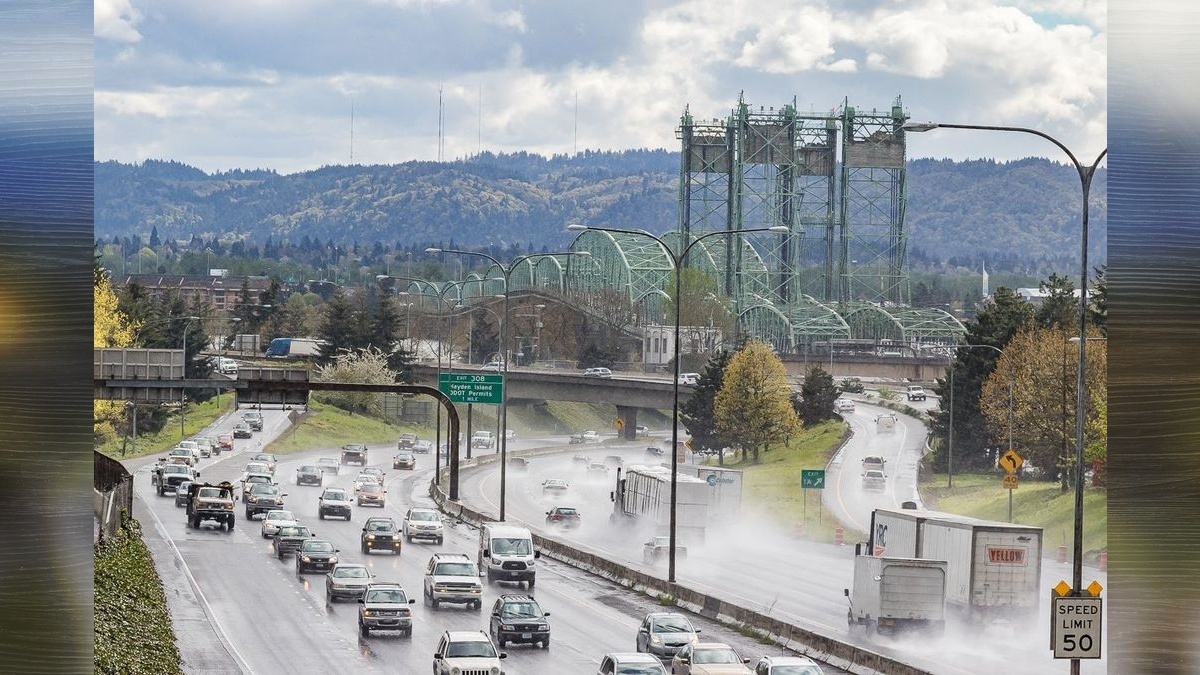
November 2012, C-TRAN placed the- HTC sales tax on the ballot to fund operations of a Trimet MAX light rail extension over I-5 Bridge and a Bus Rapid Transit (BRT) line per RCW 81.104 RCW, and the measure failed. C-TRAN now funds the BRT Vine through sales taxes and grant funding. Sound Transit in Puget Sound is the only agency in Washington that levies the High-Capacity Transit sales tax so far.
The Size of the C-TRAN taxable area can be expanded, to tax more residents in more areas.
NEW Debt Financing: C-TRAN can issue Tax-exempt municipal bonds backed by its sales tax revenue. Issuance of debt is subject to just C-TRAN Board approval and a legal debt limit. This limit is calculated at 0.375 percent of assessed property values within C-TRAN boundaries. Larger amounts may be approved with a public vote. Potential projects funded by debt: revenue vehicles, related facilities, and other large capital acquisitions.
OTHER NEW DEBT and TAX HIKES: As a Public Transportation Benefit Area, C-TRAN may be authorized to use other funding under RCW 35.95 and other state statutes. In addition, under RCW 35.58 C-TRAN has the authority to issue general obligation bonds for Capital purposes, including but not limited to replacement of equipment, without a public vote.
Under the plan, C-TRAN would expand its role from a traditional transit provider to an active co-developer in Transit-Oriented Development (TOD). Fisher’s Landing Transit Center: is planned as C-TRAN’s flagship TOD project. C-TRAN is actively advancing site master planning, environmental reviews, and market feasibility analyses to convert portioned surface parking lots into mixed use, mixed-income housing. 99th Street Transit Center in the Highway 99 corridor and the Salmon Creek Transit Center would also be developed. See pages 60-61 Capital Projects Transit Improvements in 2045 PLAN • High-Capacity Corridors • Service Quality Improvements • Community Hubs • Route & Stop Facilities Fleet, and Technology • Revenue Vehicles, Non-Revenue Vehicles, and Equipment • Operations & Maintenance Facility (OMF) • Capital Facilities Maintenance • Intelligent Transportation System (ITS) Deployment Programs • Shared Mobility • Transportation Demand Management (TDM) Thru the Nov. 16 Deadline is our only opportunity to oppose the 2045 Plan. Once Adopted, all the tax hikes and debt options can and will be utilized to support the costly Plan at the expense of Clark County residents and businesses will be forced to pay for it thru taxation without due representation. The CTRAN board is NOT elected, it is appointed. The appointments do not fairly represent all Clark County residents.
“Sound Transit 3 (ST3) rail program is short a whopping $35 billion, equaling $10,294 for every person in Sound Transit’s district… Sound Transit already imposes a myriad of taxes across the Puget Sound for its rail program, including a 1.4% sales tax, a 1.1% Motor Vehicle Excise Tax (MVET) based on the exaggerated value of a vehicle, property taxes, and a rental car tax. The local taxes are boosted by state policies, which include cheap land acquisition and favorable airspace leases, along with billions paid by federal taxpayers to subsidize the program…” https://clarkcountytoday.com/story/opinion-time-save-taxpayers-sound-transits-strategic
Margaret Tweet
Camas

Comments
Loading comments…