
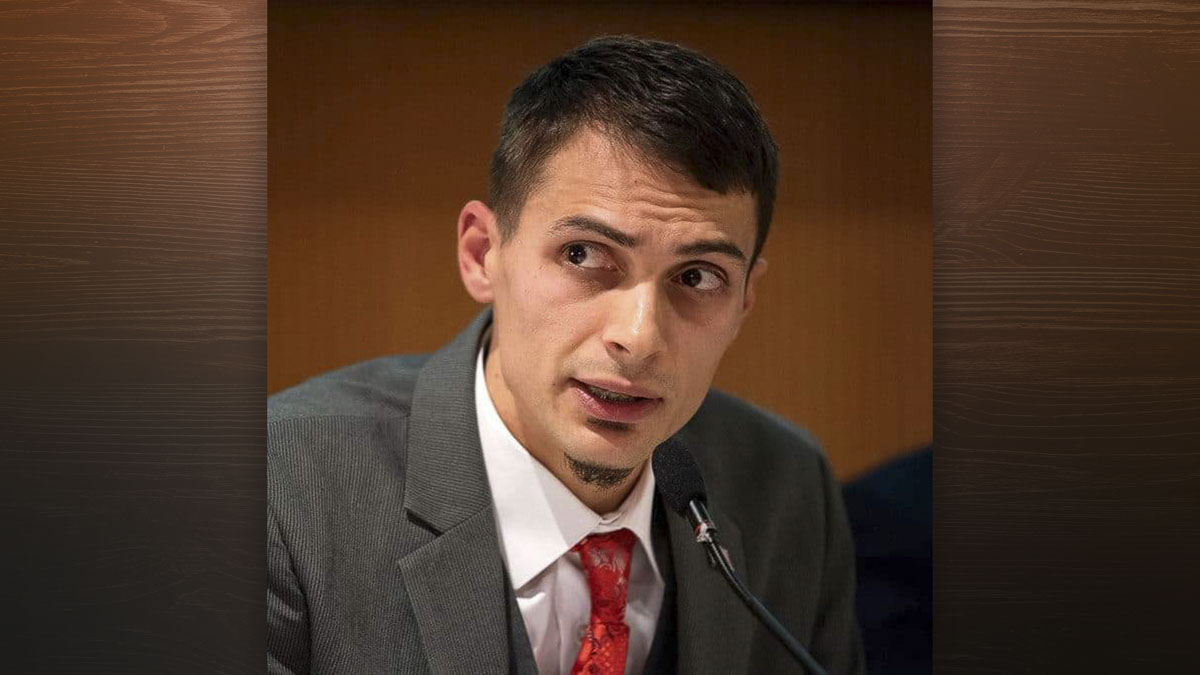
Vancouver resident Justin Forsman exposes what he claims is ‘propaganda designed to guilt the public into approving another school levy, even when the system has done little to earn the public’s trust’
Editor’s note: Opinions expressed in this letter to the editor are those of the author alone and do not reflect the editorial position of ClarkCountyToday.com
Every election cycle, we see the same thing: yard signs, emotional ads, and carefully worded articles telling us to “vote yes for the kids.” But voters in Battle Ground and across Clark County are starting to see through it. And right on cue, The Columbian published a piece in February titled “Voters split on Clark County school funding measures”—which was less journalism and more pressure campaign.

Let’s call it what it is: propaganda designed to guilt the public into approving another school levy, even when the system has done little to earn the public’s trust.
The article claims voters are “split,” but it conveniently avoids a serious discussion about why so many people are voting no. Here’s the truth: Washington already spends more money on public education than ever before—over $17,000 per student per year. That’s not speculation—that’s state budget data following the McCleary reforms.
So if we’re spending this much and still seeing under-resourced classrooms, stressed-out teachers, and declining outcomes, the problem isn’t lack of funding—it’s how the funding is being misused.
In district after district, money is being absorbed by top-heavy administrations, inflated salaries, and union-driven spending priorities. Some superintendents are making over $250,000 per year while basic classroom needs go unmet. Millions of dollars are lost in bureaucracy—not invested in student success.
Meanwhile, major unions aggressively back these levies—not because they benefit the average student, but because they grow institutional power and preserve the status quo. What’s missing? Oversight, transparency, and real reform.
Yet The Columbian article barely touches any of this. It frames opposition as ignorance or selfishness—as if the only reason someone would vote “no” is because they don’t care. That’s not just wrong—it’s disrespectful to voters who are simply asking a fair question: Where is the money going?
Let’s be absolutely clear—voting no on a levy isn’t anti-education. It’s pro-accountability. And I recommend Battle Ground residents and others think hard before automatically voting yes.
If school officials and political allies want support, they should first:
Publish detailed audits showing where the money goes
Cap administrative growth and salaries
Ensure funding goes directly to teachers and classrooms
Tie new funding to actual student outcomes, not feel-good promises
Until that happens, it’s reasonable—even necessary—for voters to withhold support. This isn’t about gambling with the future. It’s about stopping the cycle of waste and forcing the system to change. That’s how we actually help students—not by blindly throwing more money into a leaky bucket.
The kids deserve better. The taxpayers deserve better. And the voters deserve to hear the whole truth—not another emotional campaign dressed up as journalism.
Justin M. Forsman
Vancouver

- Opinion: Why lawmakers are going after your pension
 Ryan Frost argues lawmakers included public pensions in the income tax law in preparation for lowering the $1 million deduction.
 - Opinion: Washington has an income tax – why won’t the media call it one?
 Cargill argues the media is using supporters’ preferred label “millionaires tax” instead of the legally accurate term “income tax.”
 - POLL: How do you think higher impact fees for school districts affect housing affordability in Clark County?
 Clark County Council raised impact fees for La Center, Hockinson, and Woodland school districts, drawing pushback from the Building Industry Association.
 - Opinion: Impaired walking vs. impaired driving; pick neither
 Doug Dahl argues impaired driving remains deadlier than walking impaired when measured by exposure time, not miles traveled.
 - Opinion: When the same money helps fund the program and the story
 Peter Bracchi examines how the Ed and Dollie Lynch Fund supports Vancouver’s HART program, the Bridge Shelter, and Community Funded Journalism covering the same policy arena.