
For years, the city of Portland has been accused of waging a war against cars.
What about Vancouver?
Maybe it is not all-out war, but perhaps an undeclared conflict?
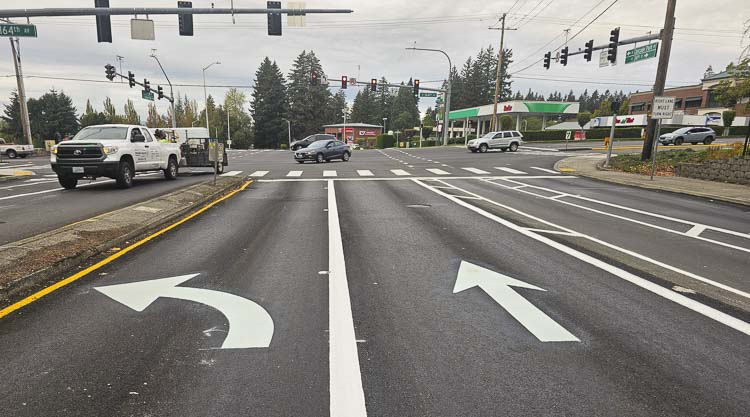
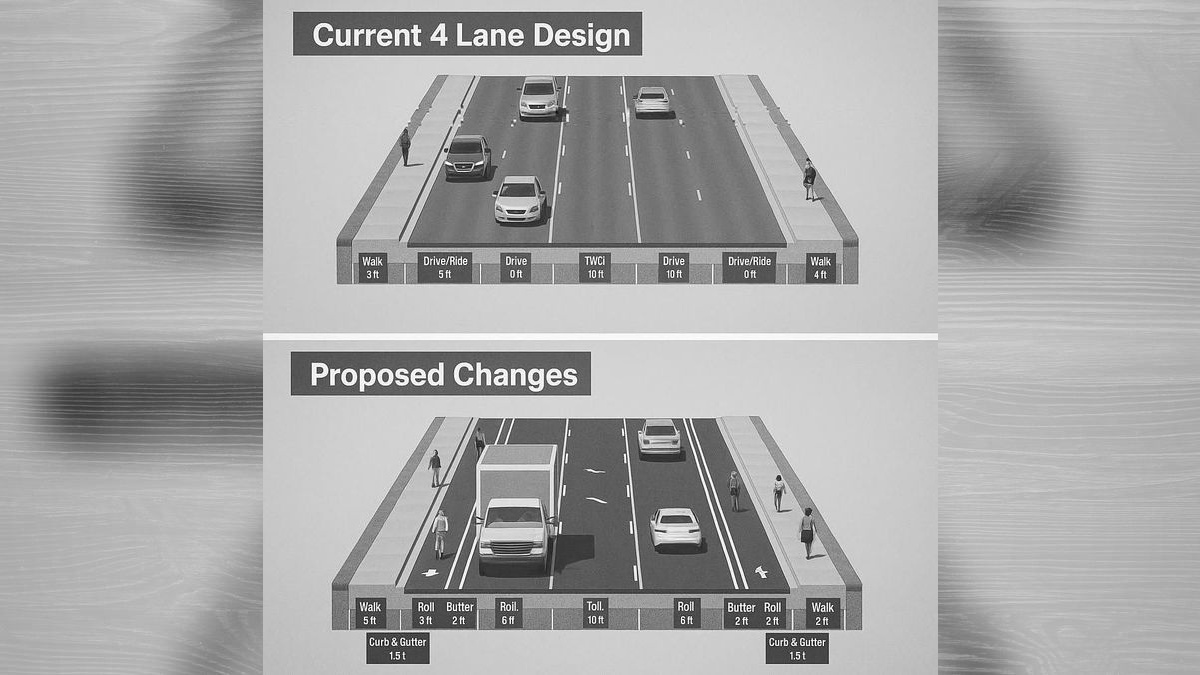
That is one of the reasons Save Vancouver Streets (SVS) is fighting so hard, first via the initiative process, and now through the courts. SVS leaders want residents to have a say on whether lanes of traffic can be removed. If the city wants to change, say NE Andresen Road, from four lanes to two, let’s vote on it, SVS says.
The city’s Complete Streets program is continuing. Some neighborhoods appreciate the changes that have been made. Others hate the changes.
The battle rages on, with many more projects on the schedule.
The city officially endorsed a Week Without Driving from Oct. 1 through 8 with a proclamation at Monday’s City Council meeting. The Week Without Driving campaign has intriguing discussion points — more on that later — but to some, the city’s proclamation to endorse the campaign is yet another shot in the battle against cars. Considering the fact that there are plenty of campaigns from numerous organizations. Why does the city feel the need to endorse this campaign?
Some city residents feel left behind in this battle. The neighborhood around SE 34th Street has already fallen, according to SVS. SE McGillivray Boulevard will be next to surrender.
SVS came up with a plan. It used the city’s own initiative process in hopes of getting its issue to the voters, to ask Vancouver residents if the city should be required to get voter approval in order to remove existing lanes of vehicle traffic. That campaign collected more than 6,500 signatures. SVS officials have told Clark County Today since its inception that if that vote fails, they will know they fought the good fight and will accept the results.
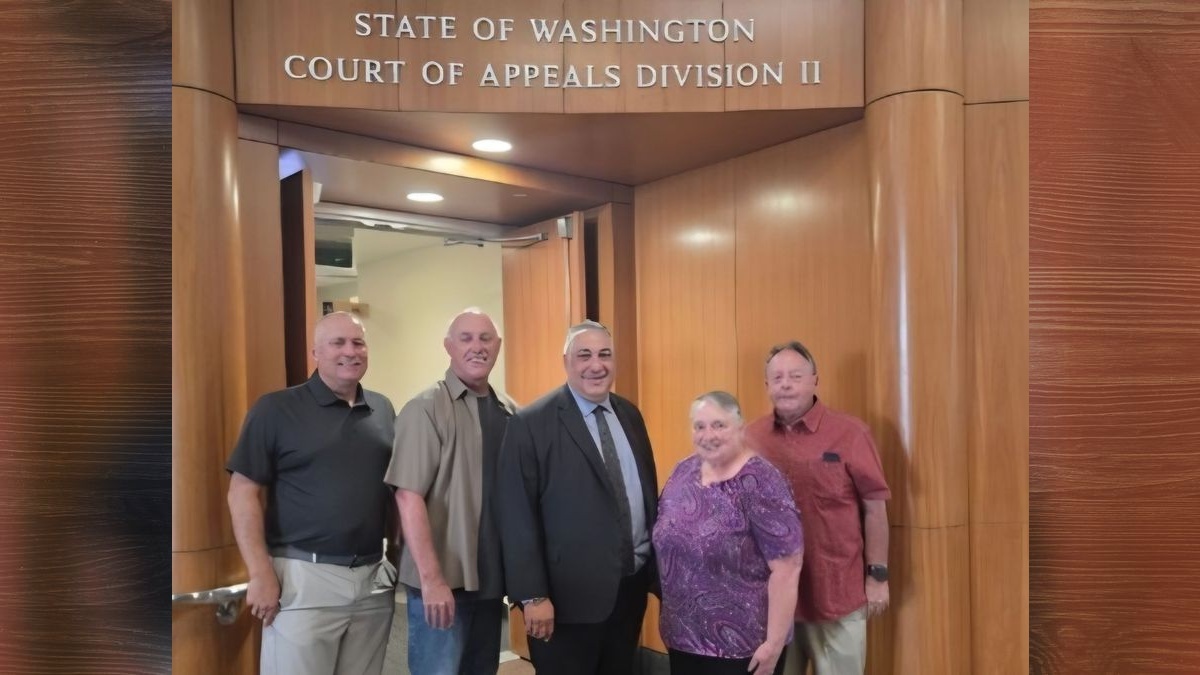
However, the city took no action on the initiative process. The initiative would not be going to a vote, after all. That led to a lawsuit. A judge ruled in the city’s favor, and SVS appealed. That appeal was heard earlier this month, and SVS and the city are waiting on that decision.
In the meantime, the city continues to promote planned changes to other streets.
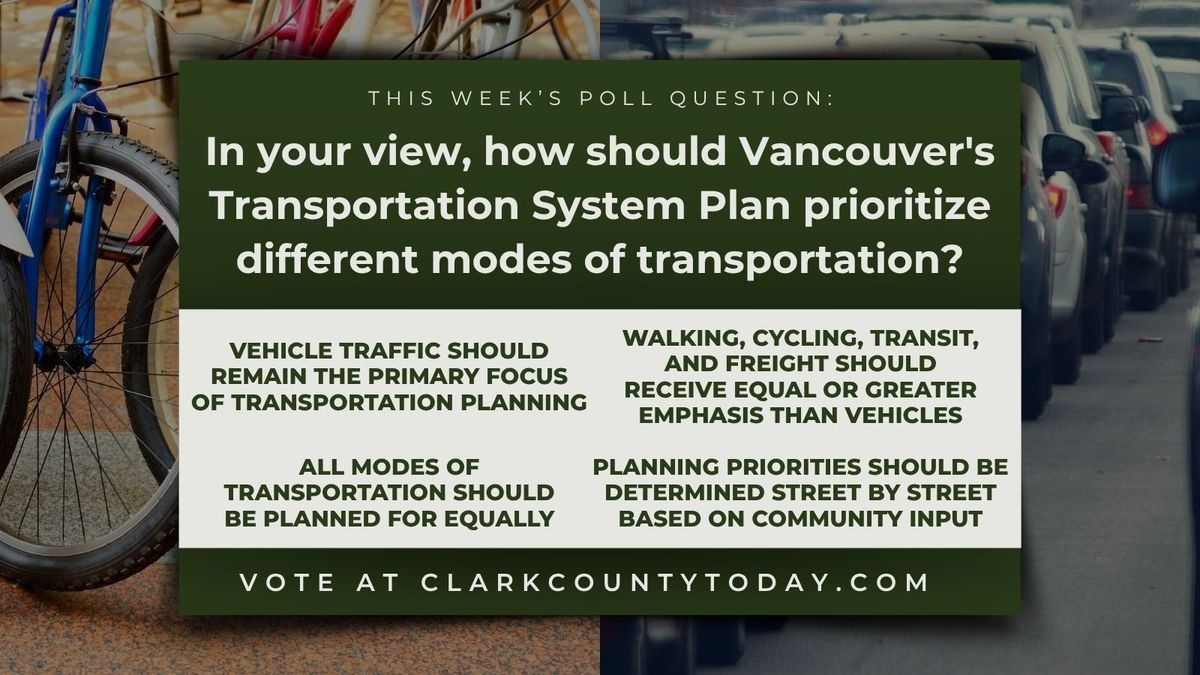
The city’s Department of Public Works had a post last week on social media seeking input to proposed changes to NE 72nd Ave., NE 86th/87th Ave., and 97th/98th Ave. In that post, there was a link to corridor projects as well as the Transportation System Plan (TSP), with its outlook all the way to 2044.
“Transportation investment during the past 75 years focused primarily on cars,” the TSP states. “This TSP expands the focus to walking, rolling, bicycling, small mobility, taking transit, and moving freight.”
To some, cars are an afterthought now.
There are six goals associated with the TSP, including safety, equity, and climate. Interestingly, most experts say car safety will only improve in the coming years, especially with the advances in autonomous vehicles. Also, there is an expectation that electric vehicles will see a larger share of the market.
Furthermore, even if Vancouver residents do want a number of the Complete Street changes, does it have to come at the expense of current lanes of vehicle traffic? That is what SVS has been asking.
Justin Wood, one of the leaders of the grassroots operation, said the way he reads the TSP, the vision for more “mobility lanes” will mean the sacrifice of current vehicle lanes. He lives in the neighborhood near SE 34th Street. A lane was taken away, and he reports that the bike lane, or mobility lane, is often empty. At the same time, it is more difficult for drivers to turn their cars from the neighborhood to the main street because there is only one lane of traffic now.
He is not alone. That Facebook post from Public Works? There were some interesting comments. Here’s one:
“Let’s be honest. They don’t listen. They will gut the road and add in annoying white pillars that are used by a few (bicyclists) a day. Wasting millions on solutions to problems that never existed.”
Those who are on the SVS side of this argument are not necessarily against bike lanes or mobility lanes. They do, however, claim common sense should prevail.
The same commenter added that the city council is overdoing it for bike lanes, in the part of the country where it rains half the year. “Bike lanes are needed but treating them as more important than the flow of traffic is a wild and stupid take.”
So while city leaders celebrate all the recent changes and the proposed changes, not everyone is happy.
Then came Monday’s proclamation from Mayor Pro Tem Sarah Fox for Week Without Driving. At one point, she noted:
“Nearly a third of people residing in the U.S. do not drive either because of systemic barriers to driving, their age, or a condition that does not allow them to drive,” she said.
Yes, there are “systemic” barriers to driving, such as age restrictions and the ability to pass tests in order to secure a driver’s license. That is, after all, part of the system.
Fox encourages people to “participate, reflect, and work toward a future where everyone regardless of age, ability, or income has safe, affordable, and sustainable transportation options.”
Community in Motion is a proponent of the campaign for Week Without Driving.
Jeananne Edwards, executive director of Community in Motion, told the council that the years of infrastructure built for cars has “inadvertently built walls around people who cannot drive.”
She encouraged the roughly 80 percent of workers who use their cars to commute to take the week off, or a day or two off, from driving, to get to work another way, perhaps by bicycling or using public transportation.
She called it an "exercise in empathy,” to step into the shoes of our neighbors who do not have a car.
“I hope you’ll embrace this challenge. Enjoy the fresh air. Appreciate the extra steps. … Take pride in the fact you are part of a movement toward a cleaner, kinder, and more accessible world,” Edwards said.

Comments
Loading comments…