
The State of Washington Court of Appeals has ruled in favor of the city of Vancouver against Save Vancouver Streets, and Save Vancouver Streets (SVS) has opted to end its legal battle.
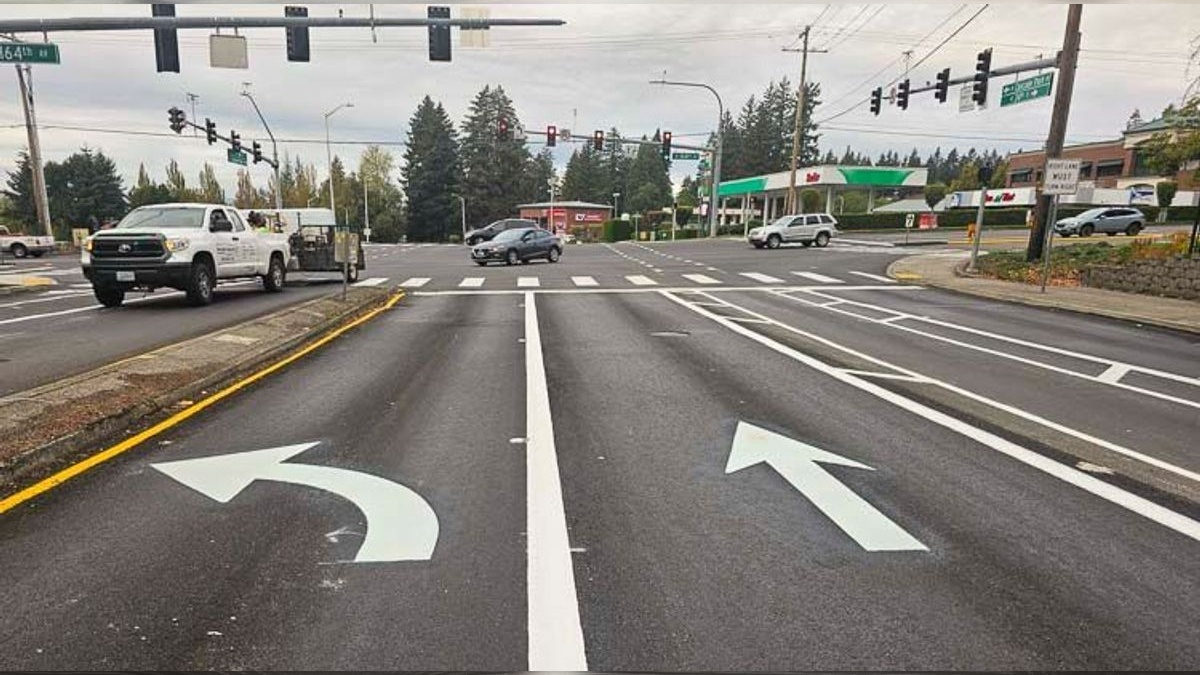
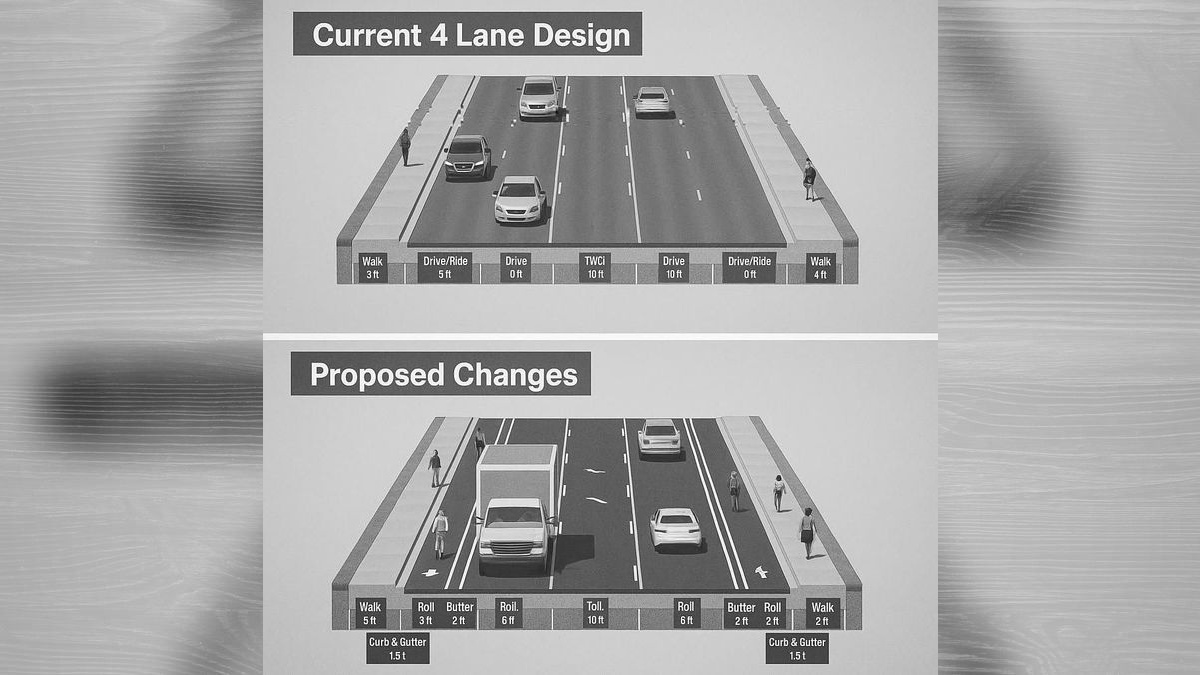
SVS used the city’s initiative process in hopes of mandating that a vote take place before the city could take away lanes of vehicle traffic from any existing roadway. This was a reaction to the city’s Complete Streets program, which has taken lanes away from avenues and streets in several parts of the city in recent years, with many more projects scheduled for the future.
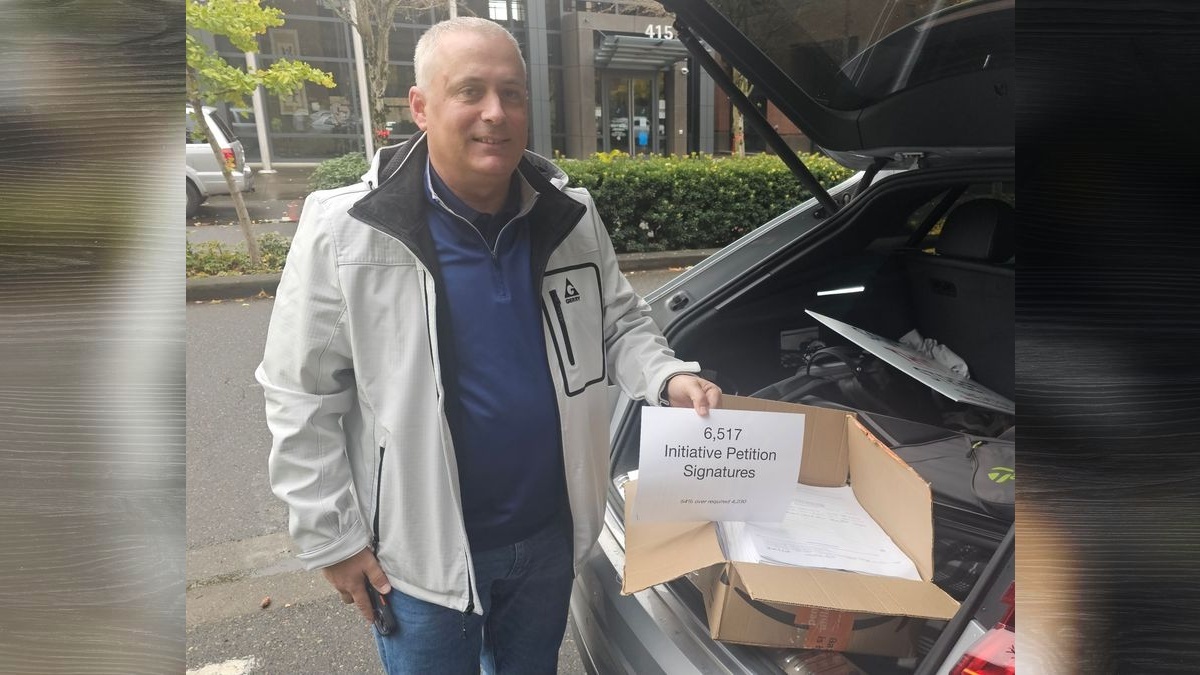
After SVS brought the signatures to the city, and those signatures were verified, the city, under the direction of the city council, took no action on the initiative. The city claimed the initiative was legally invalid.
SVS argued that the city should not be able to ignore an initiative if city leaders disagreed with the initiative. SVS filed a lawsuit. Clark County Superior Court dismissed the case. SVS then filed an appeal.
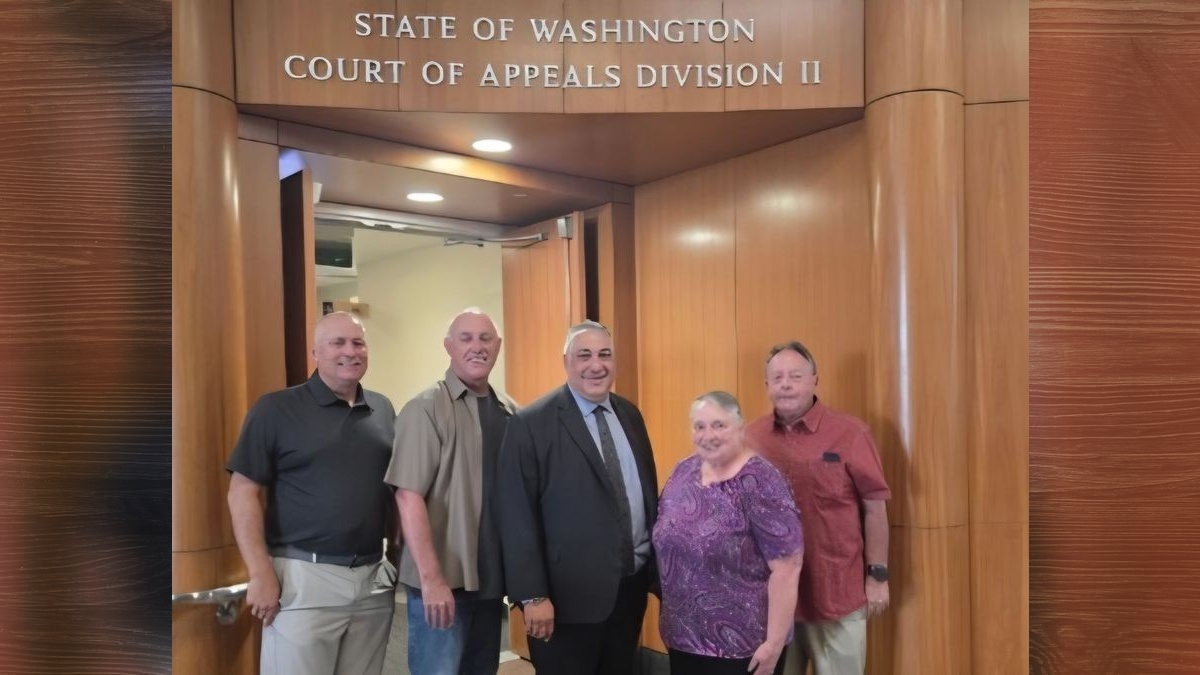
Earlier this month, the court of appeals ruled in favor of the city.
“Save Vancouver argues that its initiative was within the local initiative power because it was legislative, not administrative. It contends that the initiative describes a new policy that is different from what the City previously adopted,” the court posted on its website.
“The City responds that the initiative is administrative because it attempts to amend the city’s comprehensive transportation policy - a policy that it previously adopted in its comprehensive plan under the GMA (Growth Management Act). It contends that the initiative is not a new policy, but that it, instead, is just ‘micromanaging’ the City’s existing policy,” the court noted.
“We agree with the City.”
The court continued:
“By seeking to subject each specific project by the City to develop alternative transportation modalities to a public vote, the initiative does, in essence, micromanage the City’s execution of a broad transportation policy.
“Save Vancouver’s initiative ‘tinkers’ with the City’s existing transportation policy by adding a public vote requirement for any project, large or small, that results from that existing policy. Our Supreme Court’s decisions instruct that this is an administrative function that cannot be imposed under a local initiative.”
SVS officials reacted this week to the decision.
“We are deeply disappointed that more than 6,500 Vancouver residents can sign a petition seeking a public vote, only to have their voices effectively dismissed by their own City Council,” SVS said in a statement. “The citizen initiative process should not depend on whether elected officials agree with the proposal. We believe this outcome has seriously weakened an important tool for public accountability.”
Comments
Loading comments…