
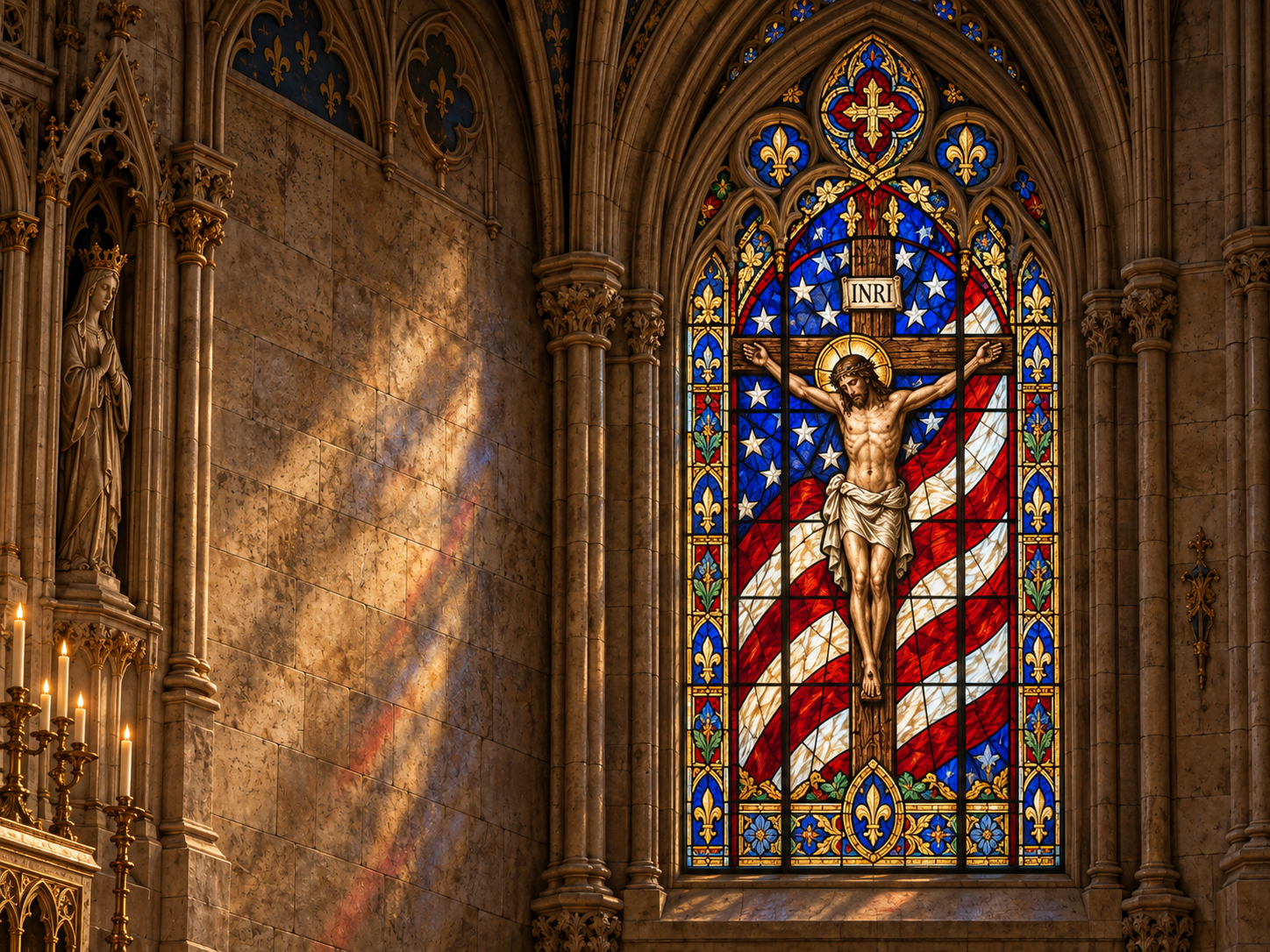
"Separation of church and state" may be the most sacred phrase in American civic religion. Question it at a dinner party in Vancouver and watch the room go quiet.
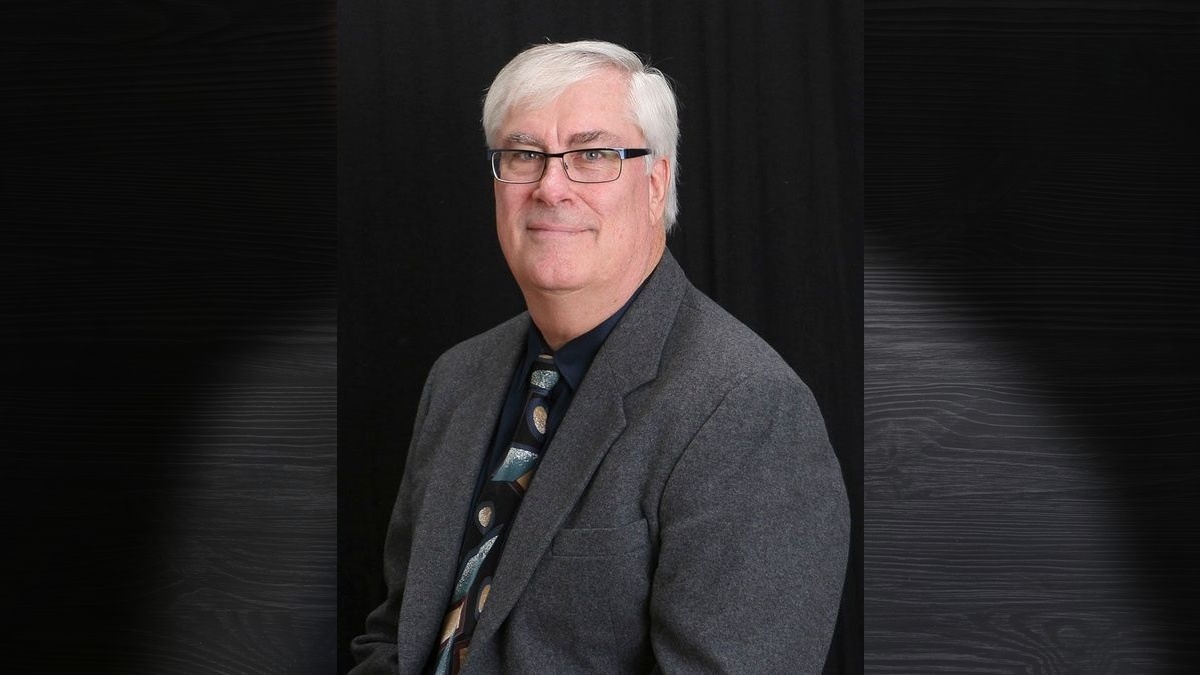
Mark Rose
So let me question it.
The phrase appears nowhere in the Constitution. It comes from a letter Thomas Jefferson wrote in 1802. Yet most Americans, including most Catholics, treat it as self-evident truth: faith belongs in church and at home, and public life must be conducted as if God did not exist.
Dr. Peter Kwasniewski, a philosopher and the author of more than 20 books, argues that this assumption is far stranger than we realize. "Historically," he writes, the idea that the civic order must be entirely separate from the supernatural order "is an outlier; theologically it is incoherent." For most of Western history, Christians took it for granted that the state, like every human institution, exists to serve the common good, and that the highest good of human beings cannot be left out of public life.
The Catholic Church agreed, emphatically. In 1906, Pope St. Pius X called the separation of church and state "a thesis absolutely false, a most pernicious error." That line will make many modern readers wince. It should at least make them think.
Consider what the "neutral" state has actually delivered. It has not stayed neutral on marriage, on the unborn, on what children are taught about their own bodies, or on whether a priest can be compelled to reveal what he hears in confession, as Washington lawmakers tried just last year. A state that claims to have no religion inevitably enforces a morality of its own. The question is never whether public life will rest on some vision of the good. It is which vision.
Nobody is proposing a theocracy in Clark County, and Kwasniewski is not calling for one. His point is more patient and more radical. Christendom, the civilization in which the faith shaped law, art, education and daily life, did not begin with a decree from above. It grew from below, from families, parishes and monasteries that lived the faith so fully that the culture around them changed. It declined when Christians stopped living that way. And it can be restored the same way it began.
That is a challenge, not a fantasy. It asks Catholics to stop treating their religion as a private hobby and start treating it as the truth about reality, one that has something to say about how we govern ourselves, educate our children and order our common life. It also asks the rest of our neighbors to consider whether a society that has banished God from its public square is really freer, happier or more united than the one it replaced.
You do not have to agree with him to find the question worth hearing.
Dr. Kwasniewski will deliver the keynote, "The Catholic State and the Resurrection of Christendom," on Friday, Nov. 13, opening the West Coast Catholic Conference at the Holiday Inn Portland Airport. On Saturday he speaks on the Kingship of Christ, alongside attorney Christopher A. Ferrara and Fr. Jonathan Loop. The weekend includes a Traditional Latin Mass, a speaker panel with audience questions and plenty of room for debate. Details and registration are at sspxolf.org/2026conference.
Can America ever be Catholic? Come and find out why the question is not as crazy as it sounds.
Mark Rose is the founder of Heed His Call (heedhiscall.org), a nonprofit dedicated to supporting religious contemplative and eremitic vocations. A longtime technology industry consultant, he contributes opinion pieces on local politics and is a guest contributor for a prominent, long-running traditionalist Catholic blog. He is a coordinator of the 2026 West Coast Catholic Conference.

Comments
Loading comments…