
Impact fees.
Land use fees.
Old fees.
New fees.
It is going to get more expensive to build in Clark County.
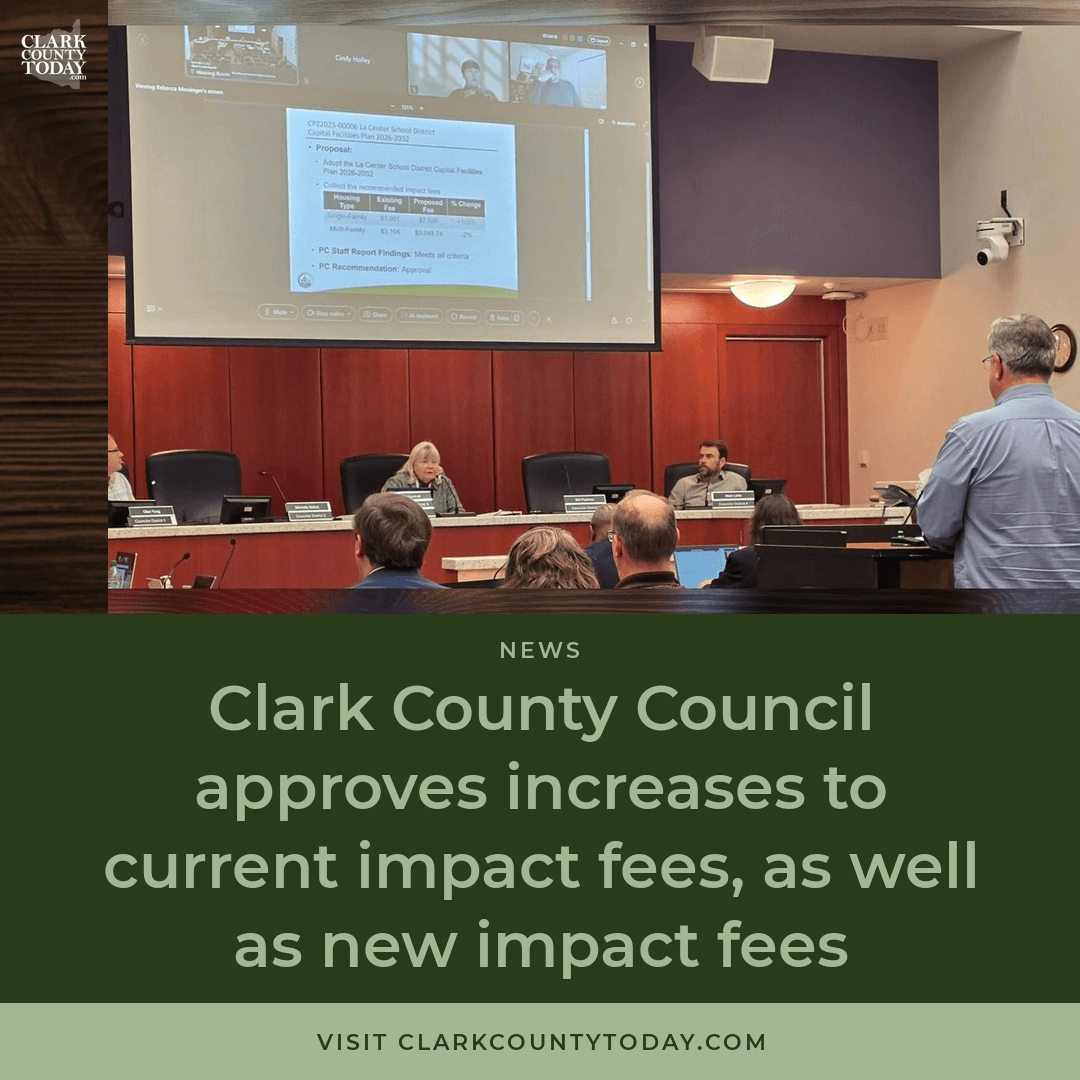
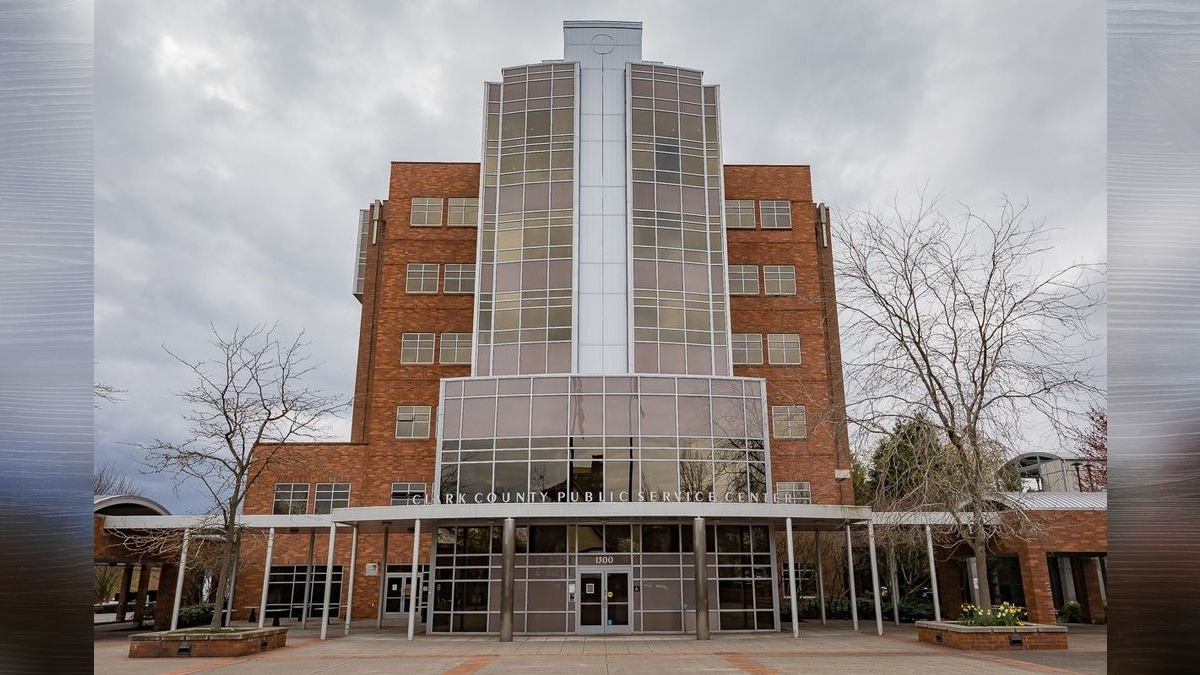
The Clark County Council on Tuesday approved the increase of several fees, including impact fees in three school districts as well as an increase in the land use and wetland and habitat fees. Plus, the council approved new impact fees for four fire districts. These fees will be collected for any new construction projects.
Peter Rosenkranz, superintendent of the La Center School District, understands the frustration that builders might have with a 102-percent increase for building single-family homes in his district, but he also described it a chicken-or-the-egg situation. What comes first?
“They raise fees that impact how we build,” Rosenkranz said, referring to politicians, “so we (the schools) need to raise fees to be able to pay for what the fees they’ve raised. It’s a continuous cycle of fees.”
Politicians on both sides of the aisle have noted recently that housing affordability is a priority.
The Building Industry Association of Clark County, however, told Clark County Today on Tuesday before the council meeting that any increase to the fees will only add to housing costs.
“That really is significant,” a BIA spokesman said. “It’s going to discourage housing affordability, no doubt about it.”
The spokesman added that the fire district impact fees are particularly concerning because they are new fees.
Impact fees for school districts can only be used for capital facilities. Five school districts had their capital facilities plans approved Tuesday night, including two districts that will have no impact fees. Evergreen Public Schools, which has seen a drop in enrollment, is going from more than $6,000 per single-family home to $0.
Three school districts that are growing, however, had significant increases: La Center, Hockinson, and Woodland.
Rosenkranz noted that adding a portable classroom on the campus of one of his schools, for example, was around $200,000 just a few years ago, but now the cost is higher than $500,000.
He has seen other school districts use gymnasium space to make classrooms. He doesn’t want to have to do that at La Center. But the district is growing too fast for its current facilities.
It should be noted that impact fees make up only about 4 to 6 percent of these district’s budgets, with the rest coming from the public through taxes.
Still, Clark County Councilor Michelle Belkot called the increases “sticker shock.”
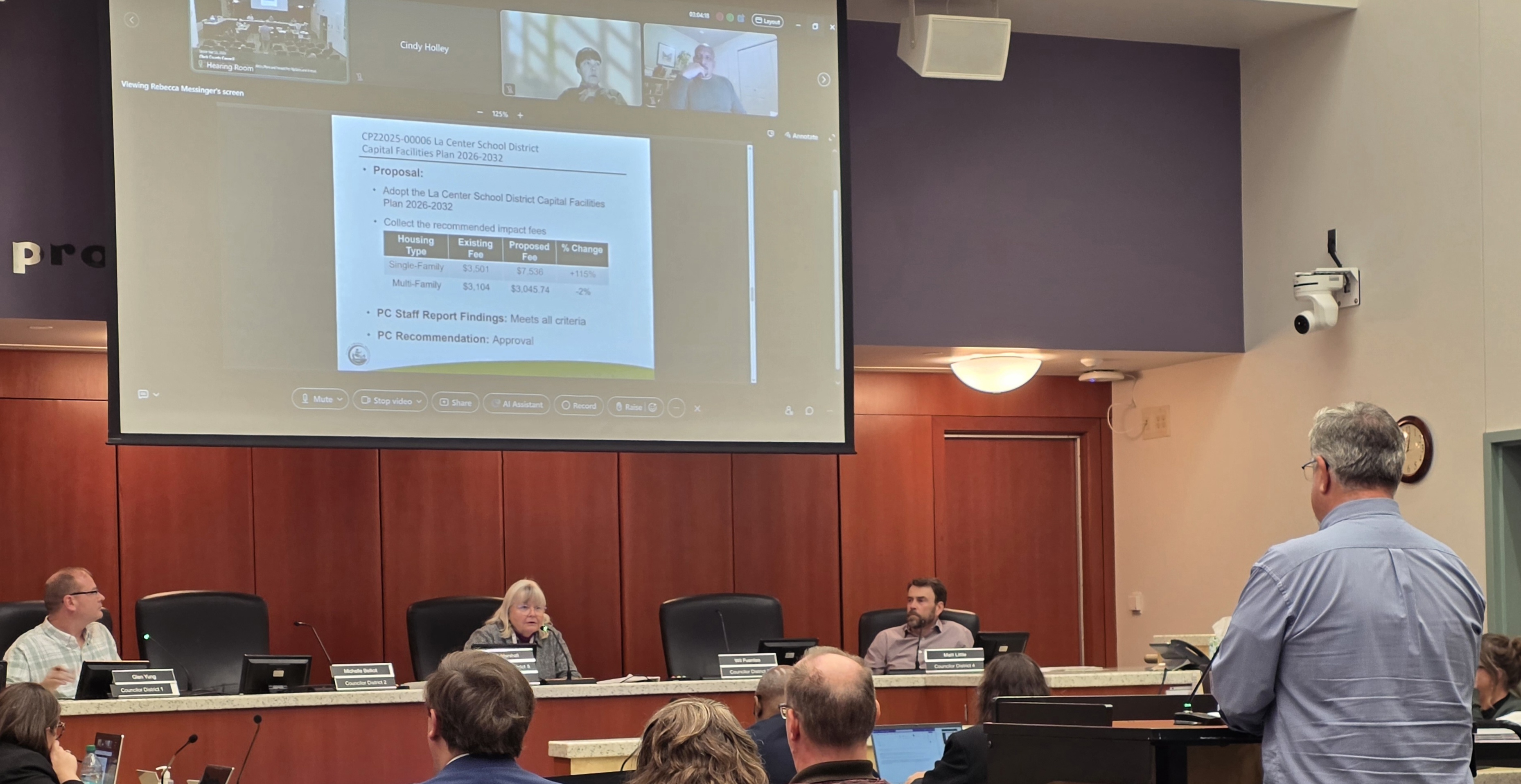
La Center’s fee for a single-family home is going from $3,501 to $7,536. The impact fee for a multi-family residence is going down 2 percent from $3,104 to $3,046.
The Hockinson School District is going up 95 percent for a single-family residence, from $7,790 to $15,175, while the multi-family residence is going down 50 percent from $3,434 to $1,720.
Impact fees for the Woodland School District for residents of Clark County are expected to go up 79 percent.
Four fire districts — Fire District No. 3, Fire District No. 6, and Fire District No. 10 as well as Clark-Cowlitz Fire Rescue — all had their capital facilities plans approved, as well. These are new impact fees for unincorporated Clark County, but it should be noted that many cities in Clark County already have impact fees for fire and rescue services.
Belkot made it clear of her feelings on impact fees. She is not against schools nor fire and rescue, but is against the increase or implementation of new fees. She voted no for the three school districts that were asking to increase impact fees and voted no on all four fire districts. Councilor Glen Yung voted no on three of the fire districts plans, objecting to the methodology in how the fire districts came up with their numbers. He voted yes on all the school district requests. He noted that impact fees have been used by school districts for years, and that districts have relied on these impact fees. For fire districts, though, these fees are new.
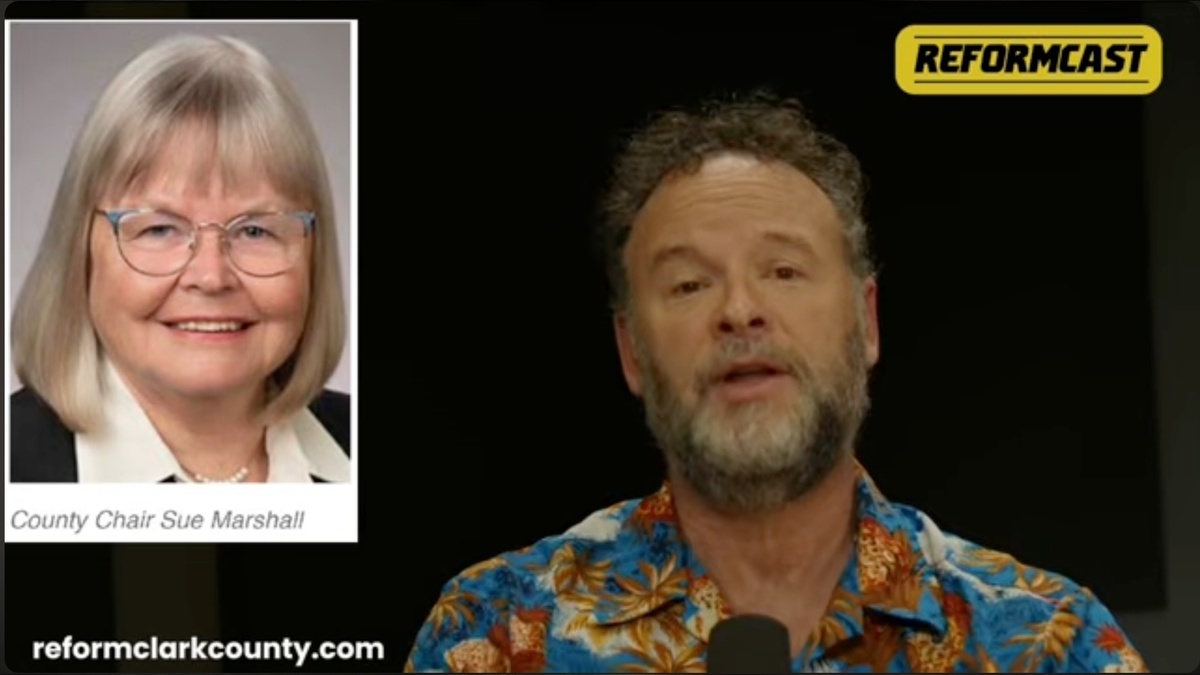
The other three councilors — Wil Fuentes, Matt Little, and Chair Sue Marshall — voted in favor of the increases in fees for the school districts and the new fees for the fire districts.
Earlier in the meeting, the Land Use Review fee was increased to about 8 percent and the Wetland and Habitat Review fee was increased to roughly 7 percent by a 4-1 vote, with Belkot voting no.
There was a presentation to the councilors at Tuesday night’s meeting, along with representatives from the school districts and fire districts to answer any questions. There were plenty. The entire meeting lasted more than four-and-a-half hours, with most of the discussion about the impact fees. The five school districts and four fire districts then had to have their own individual votes.
Rosenkranz said that bonds and levies are paid by taxpayers, while impact fees are paid by builders and passed to the homebuyers. In a way, it is growth paying for growth.
Still, a 115-percent increase for a single-family home hit hard for Belkot.
“It’s causing a sticker shock,” she said.
Rosenkranz understood, noting that the district could have asked for an even larger increase on the impact fees before settling in at the number proposed Tuesday.
While Yung did vote for the increases for the school districts, he was reluctant to add impact fees for fire districts.
“I don’t like impact fees because they create burdens on housing costs for everyone,” he said.
John Nohr, chief of Clark-Cowlitz Fire Rescue noted that in 2015, there were 3,000 calls for service. By 2025, there were 6,300 calls for service. The area of coverage did not change, but the number of people who lived in the district did change. The impact fees, he said, would help pay for continued growth.
Fire District 3, 6, and Clark-Cowlitz Fire Rescue had their requests approved by 3-2 votes, with Belkot and Yung saying no. Fire District 10 passed 4-1, with Belkot the lone dissenting vote.
“I’ve never supported impact fees to begin with, but we are where we are today because the council supported fees,” Belkot said.
Washougal and Evergreen Public Schools had their plans approved, asking for $0 in impact fees. Washougal is not currently using impact fees.
Evergreen Public Schools has been utilizing impact fees as high at $6,432 for a single-family home. Now, it requested $0 in impact fees, due to falling enrollment numbers.
A statement from Evergreen Public schools: Based on the fact that adequate capacity exists at each grade level in existing EPS facilities, and that enrollment is expected to decline, the District is not entitled to seek impact fees upon adoption of the 2026-2032 Capital Facilities Plan.
Comments
Loading comments…