

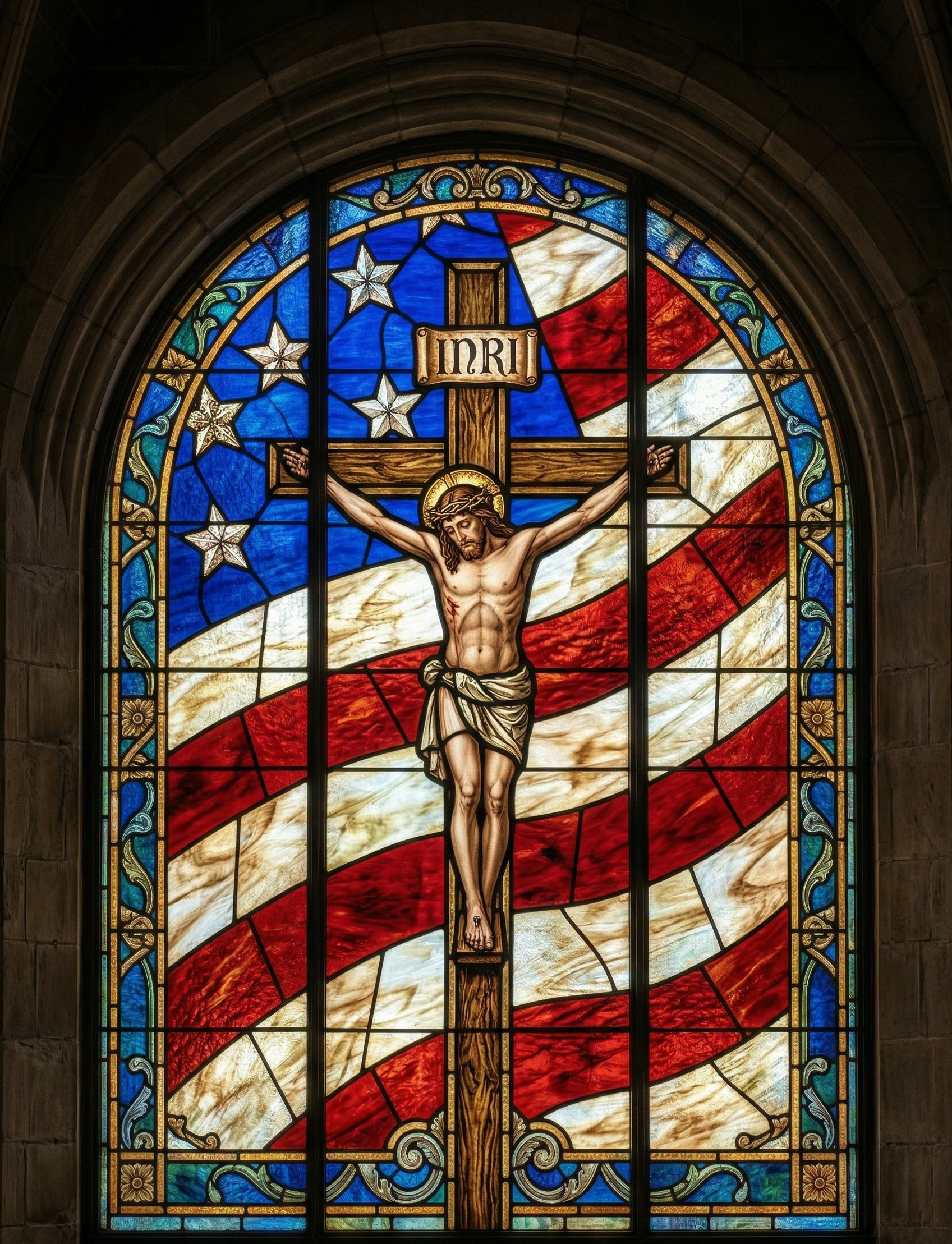
Every Fourth of July, someone reminds us that America was founded as a Christian nation. It is a comforting story. It is also, according to the historical record, not true.

Mark Rose
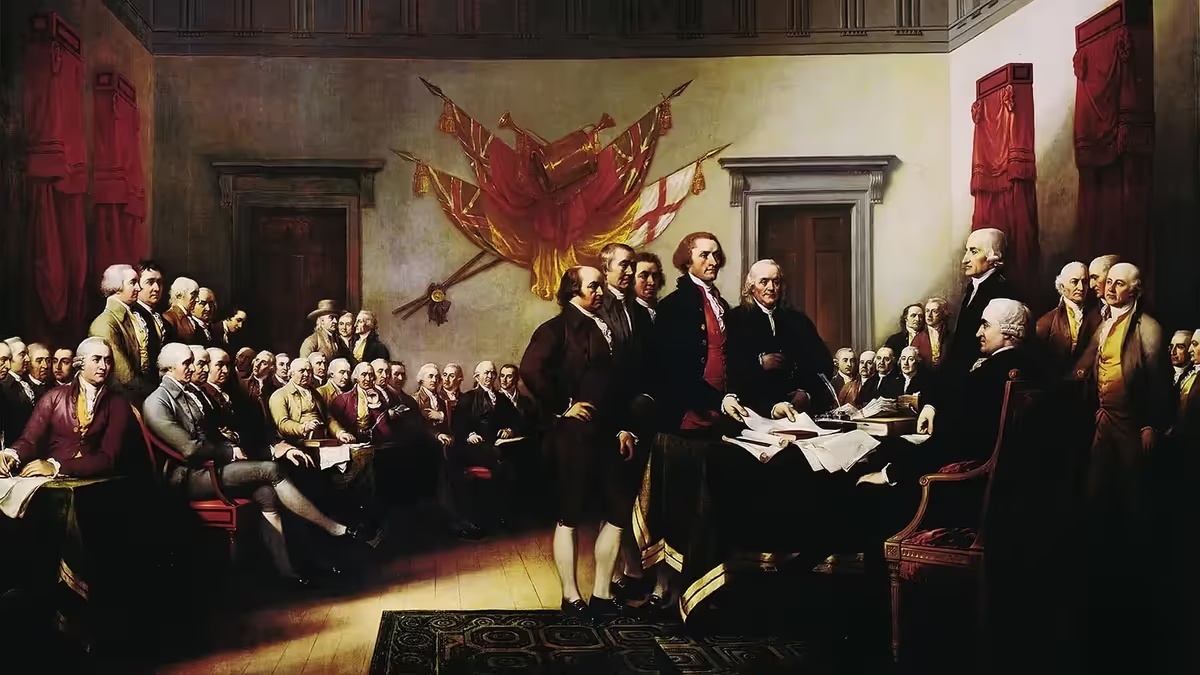
The Constitution never mentions God, let alone Jesus Christ. That was not an oversight, and the men of the founding generation knew it. Neither did the Protestants who came after them. In the 1860s, a group of them formed the National Reform Association to fix what they saw as the original sin of the American founding. They proposed an amendment acknowledging Christ as ruler of the nation and His revealed will as the supreme law of the land. A sitting Supreme Court justice, William Strong, led the effort. Abraham Lincoln received a copy. Congress shelved it, again and again, until the movement died.
Ask yourself why it failed. The answer says a great deal about the country we actually live in.
Christopher A. Ferrara knows something about defending the Church in court. A civil rights attorney and the founder of the American Catholic Lawyers Association, he has taken cases to the U.S. Supreme Court, including a 2020 victory that helped reopen churches shuttered by COVID-era restrictions. He has also spent years making this argument, and he will make it in person next month in Portland. His point is not to trash America. It is to stop Catholics from building their hopes on a myth.
Because the myth has consequences. If you believe the founding was Christian, you will assume the problem is a few bad judges and a few bad laws, and that the solution is to get back to 1787. But the secular state was not a betrayal of the founding. It was the founding, working exactly as designed: religion as a private matter, every creed equal in the eyes of the law, and none permitted to shape public life.
Washington Catholics got a taste of where that leads last year. In 2025, Olympia passed a law that would have forced priests to break the seal of confession, something no priest may do under any circumstances. It took a federal lawsuit by the state's bishops to stop it. A "neutral" state turned out to be not so neutral after all.
None of this is new. More than a century ago, Pope Leo XIII warned American Catholics against what he called Americanism: the temptation to soften the Church's teaching so she might fit comfortably into a modern, pluralist order. American bishops insisted no one believed such things, and historians later dismissed Americanism as a "phantom heresy." Ferrara argues it was all too real, and that its fruit is a Church that now asks for little more than a seat at the table alongside every other interest group.
That is an uncomfortable message for those of us who love this country. I love it too. But love that depends on a fairy tale is not love; it is nostalgia. Catholics owe America the truth, including the truth about how it began.
So, can you be American and Catholic? Yes, but only if you are Catholic first, and only if you see the country clearly. Ferrara will present "The Myth of the Christian Founding" and "The Myth of the Phantom Heresy" at the West Coast Catholic Conference, Nov. 13–14 at the Holiday Inn Portland Airport, alongside Dr. Peter Kwasniewski and Fr. Jonathan Loop. Come hear the case. Details and registration are at sspxolf.org/2026conference.
Mark Rose is the founder of Heed His Call (heedhiscall.org), a nonprofit dedicated to supporting religious contemplative and eremitic vocations. A longtime technology industry consultant, he contributes opinion pieces on local politics and is a guest contributor for a prominent, long-running traditionalist Catholic blog. He is a coordinator of the 2026 West Coast Catholic Conference.
Comments
Loading comments…