
Transportation
1,235 stories on this topic — browse the full collection below.
Latest development
Most recent
More in this storyline
Newest first
VIDEO: Unfunded and over budget – The $15 billion gamble on I-5 bridge project
Phase one of the I-5 bridge project lacks $1. 4 billion in funding, yet both states say they must proceed to avoid losing federal dollars.
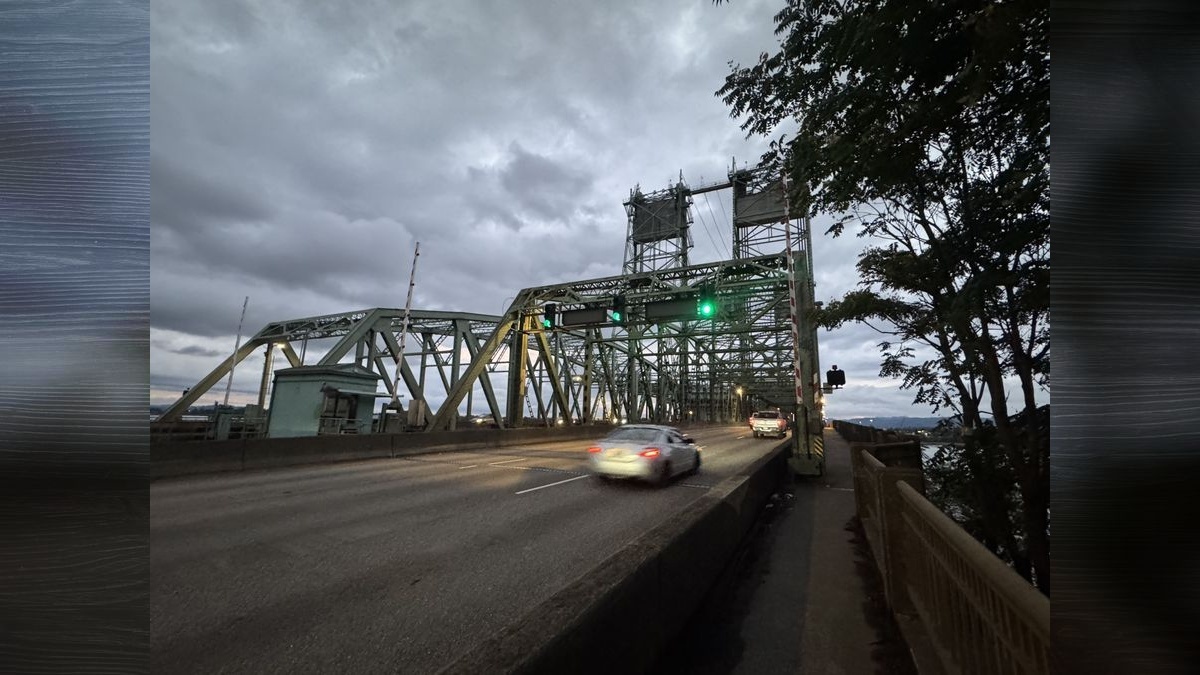
Opinion: Two lies and a truth about Oregon Transportation Finance
Cortright argues ODOT systematically low-balls cost estimates and blames legislators and communities for overruns it caused.
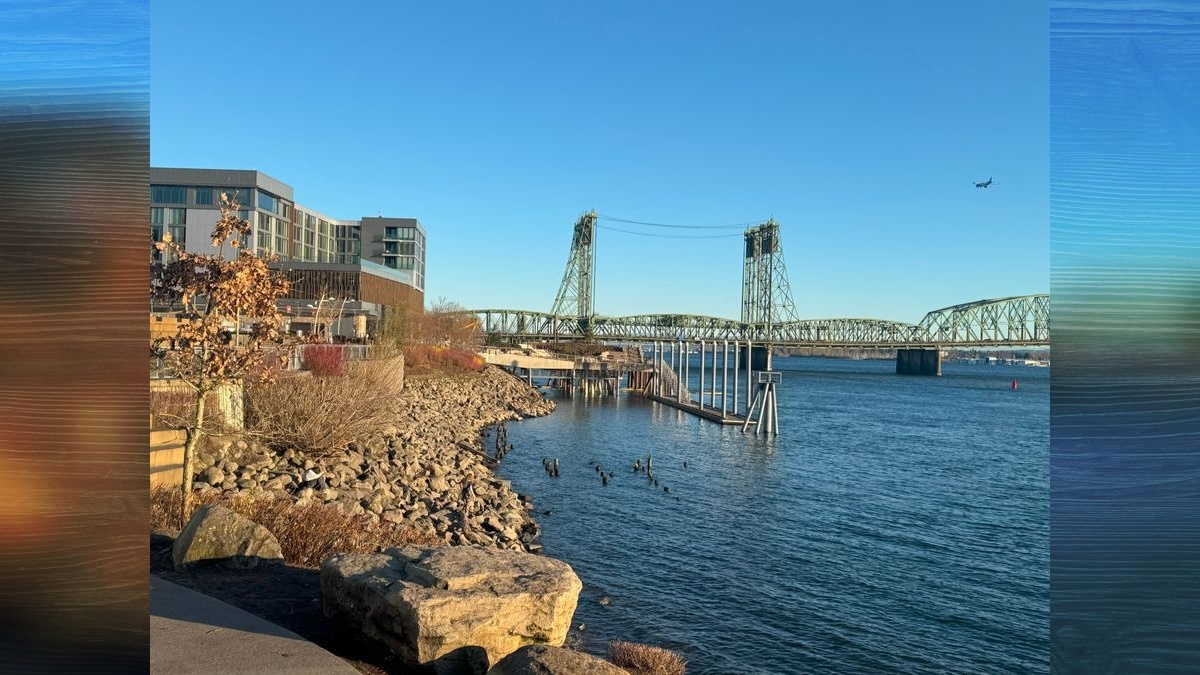
Opinion: I-5 transportation infrastructure across the Columbia River
Transportation architect Kevin Peterson argues that achieving a 20% Columbia River transit mode share via LRT would require $25 to $45 billion or more over roughly five decades.
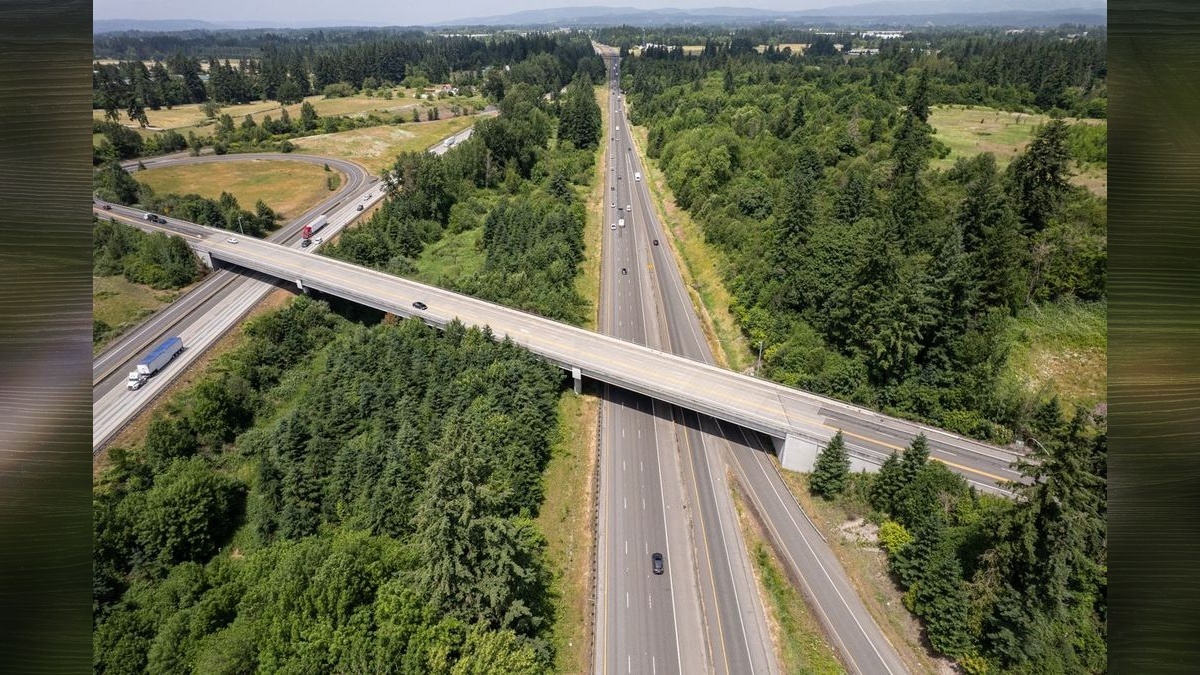
Goodbye, bumpy ride on I-5 in Vancouver
Three coordinated WSDOT projects will improve more than 6 miles of I-5 in Clark County, backed by a $25 million investment.
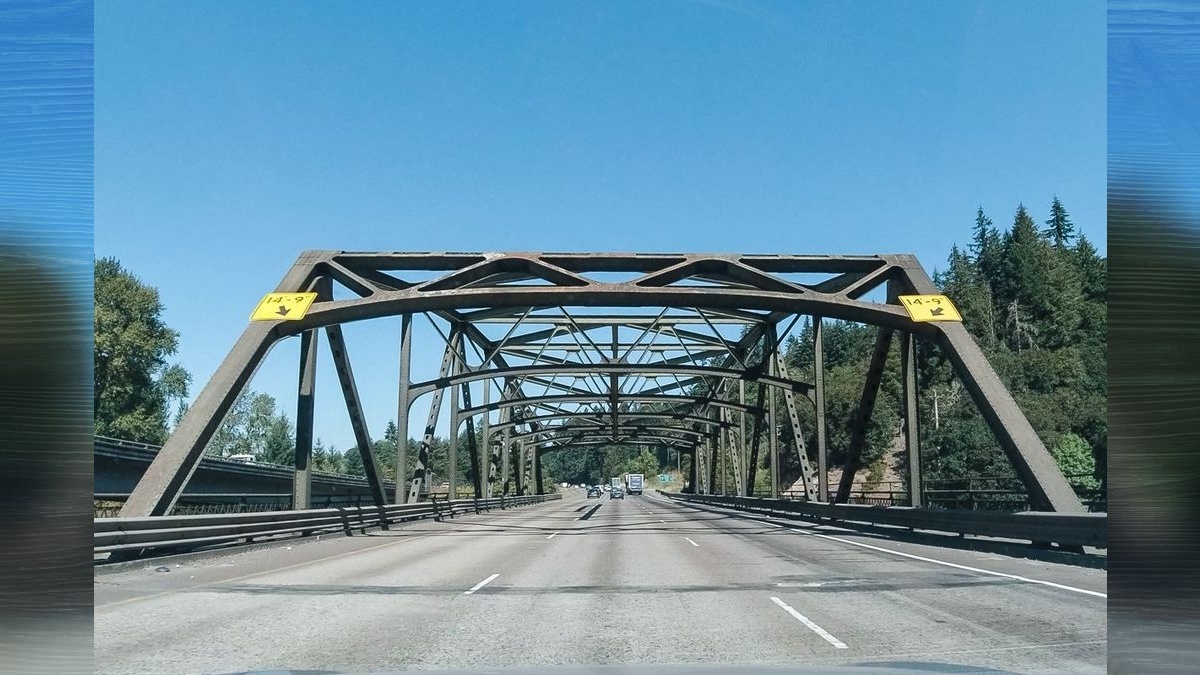
Nighttime work on I-5 between Ridgefield and Woodland will replace damaged concrete panels Sept. 14-19
Granite Construction will close right and center lanes nightly on I-5 between mileposts 9. 5 and 21. 5 through Sept. 19.
County seeks volunteers to serve on the Bicycle and Pedestrian Advisory Committee
Clark County seeks two volunteers, including one youth member, for its Bicycle and Pedestrian Advisory Committee; deadline is Oct. 11, 2026.
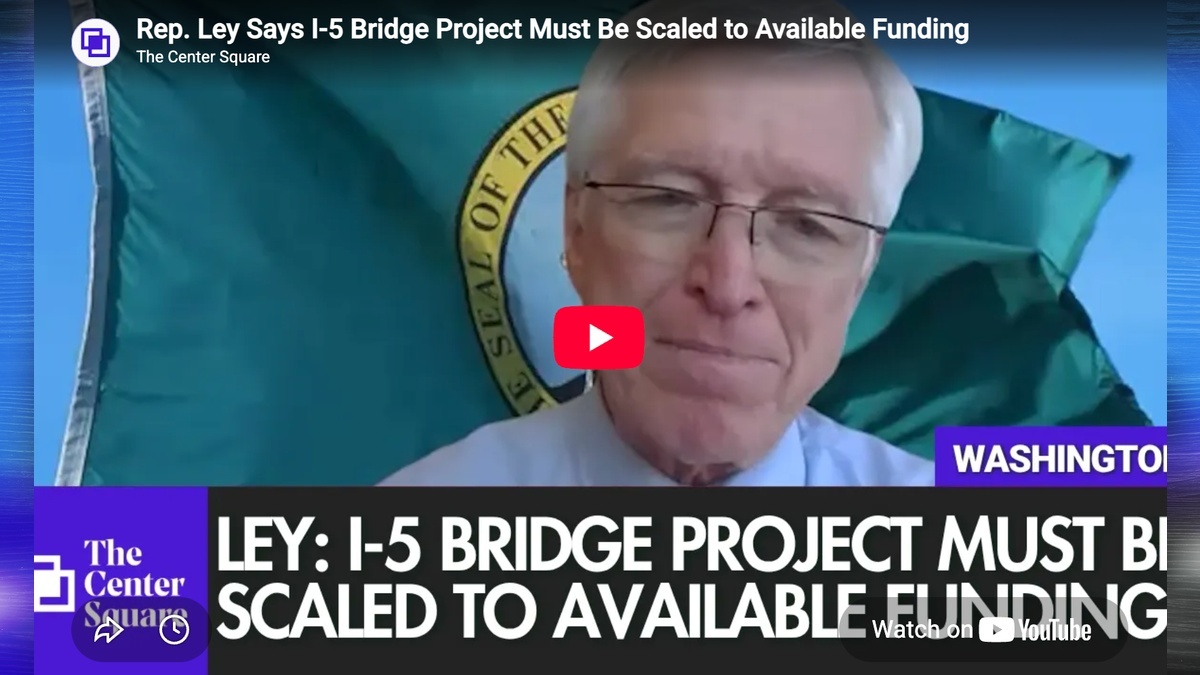
Washington Rep. John Ley warns ballooning bridge budget needs reality check
Rep. John Ley says the IBR ballooned from a $44M contract to a $13B–$15B project, with phase one still $2. 2B short.
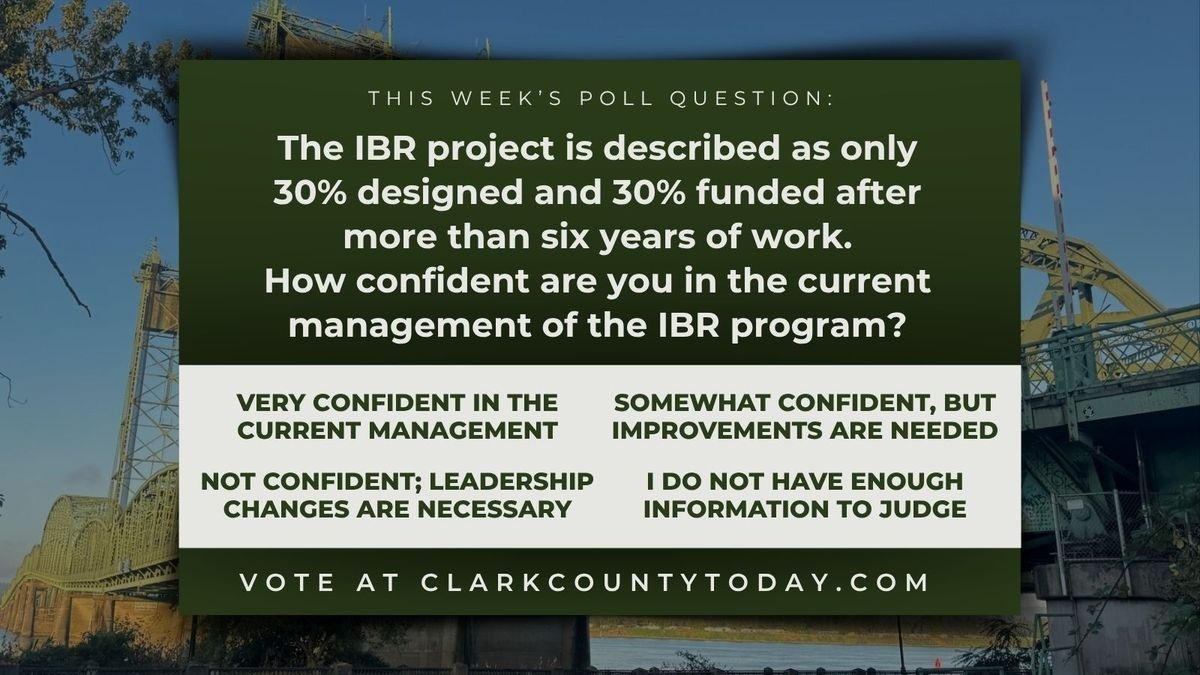
POLL: The IBR project is described as only 30% designed and 30% funded after more than six years of work. How confident are you in the current management of the IBR program?
IBR's cost has climbed from $3. 2–$4. 8B to $15. 2B while the project remains 30% designed and 30% funded.
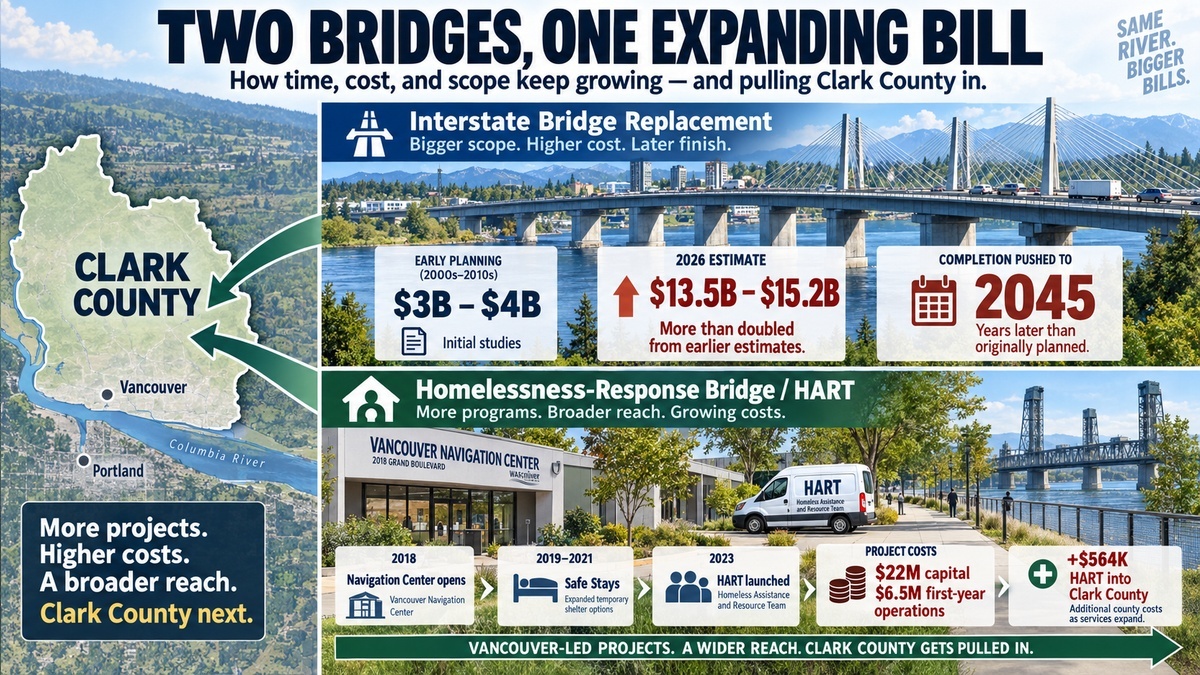
Opinion: Two bridges, one expanding bill
Bracchi traces how the IBR's estimated cost grew from roughly $3B to $14. 4B as Vancouver's Bridge Shelter adds millions in annual operating costs alongside existing homelessness programs.
Letter: IBR’s top truck speed 20 mph?
Bob Ortblad used AI analysis to flag speed and safety concerns in the IBR's temporary six-lane temporary diversion design.
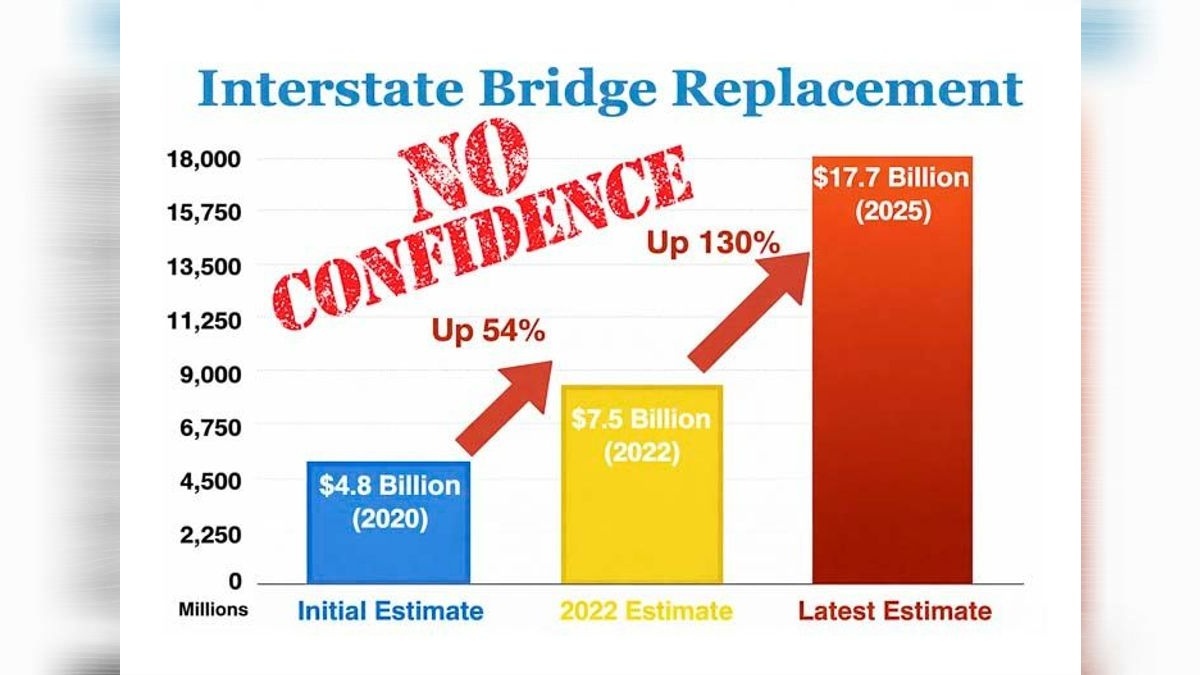
Opinion: Stop rewarding fiscal mismanagement on the IBR; enough is enough
Rep. John Ley argues the $15. 2B IBR project is underfunded, years behind schedule, and should strip out its $3. 5B transit component.
Letter: Reinstate Councilor Belkot!
Camas resident Anna Miller argues Belkot was removed before any written rule required councilors to follow the majority's voting instructions.
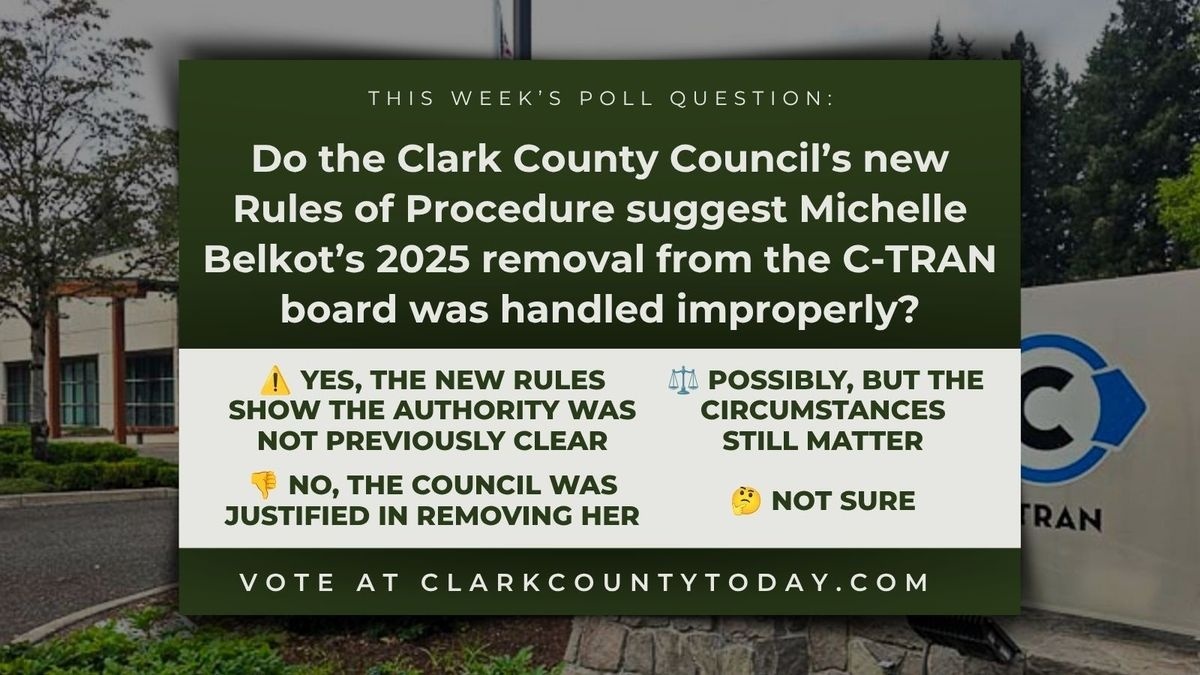
POLL: Do the Clark County Council’s new Rules of Procedure suggest Michelle Belkot’s 2025 removal from the C-TRAN board was handled improperly?
Clark County Today asks readers if new council rules suggest Belkot's 2025 C-TRAN removal lacked proper authority.
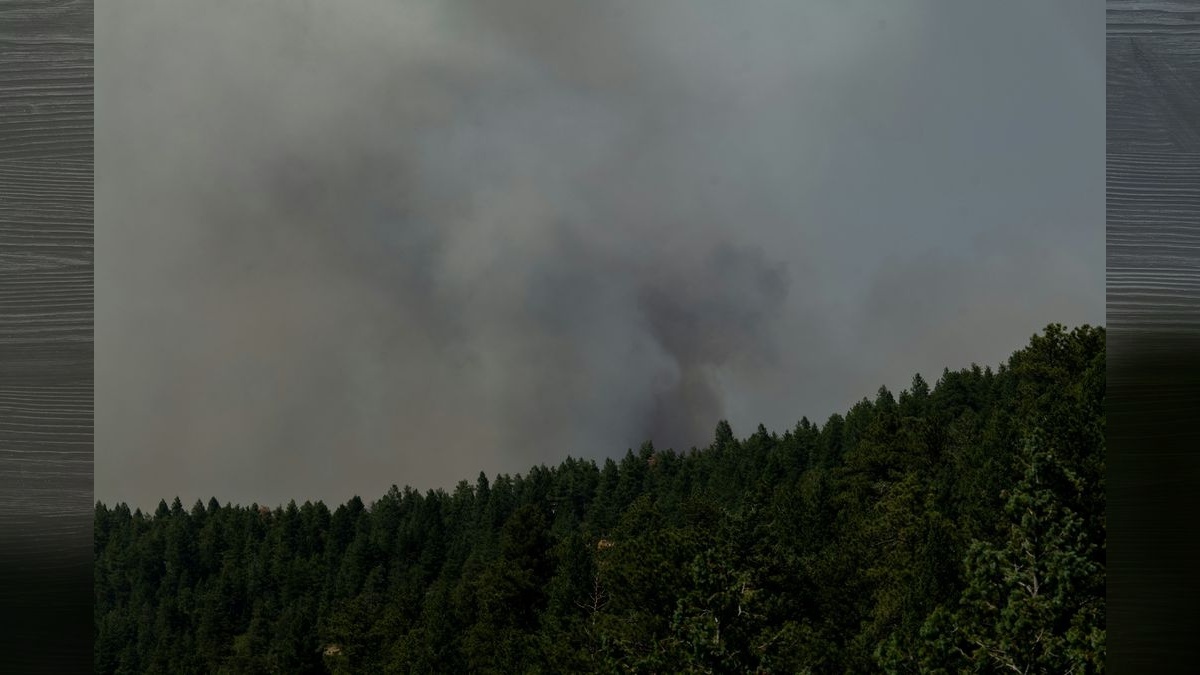
Opinion: Wildfire risk demands a more flexible approach to roadless areas
Washington Policy Center's Todd Myers supports rescinding the 2001 Roadless Rule to give local forest managers more flexibility to reduce catastrophic wildfire risk.
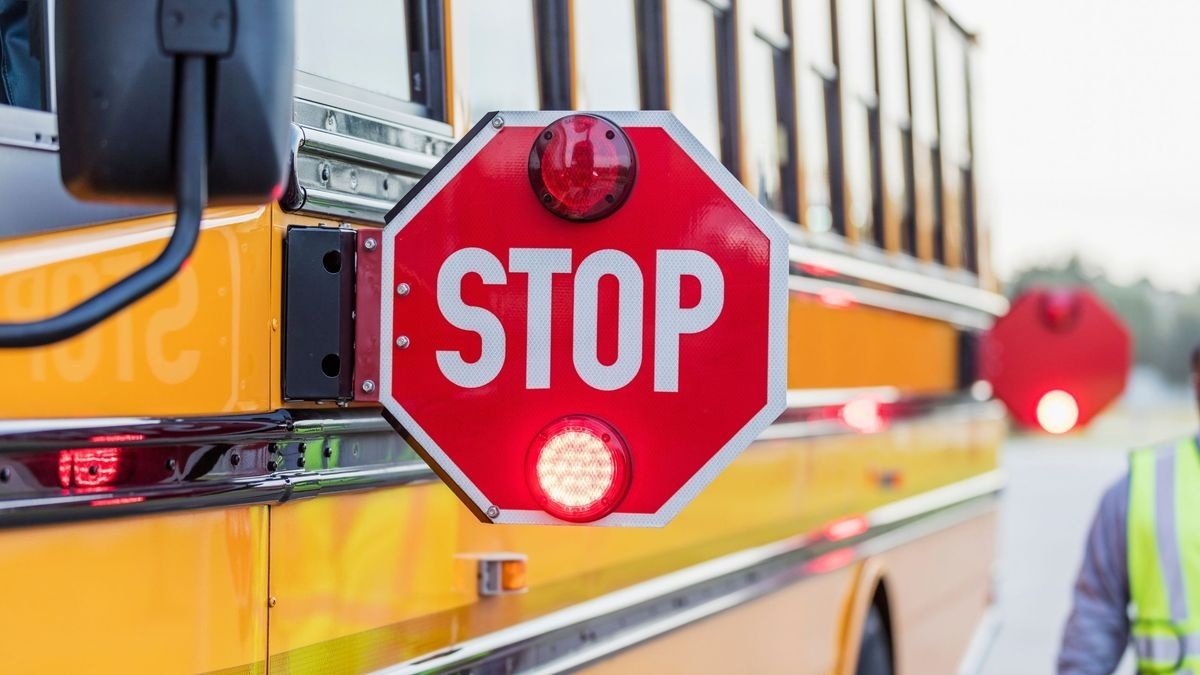
Opinion: A school bus, a four-way stop, and the meaning of ‘either’
Doug Dahl explains why the word "either" in state law means cross-traffic at a four-way stop may not be required to stop for a school bus.
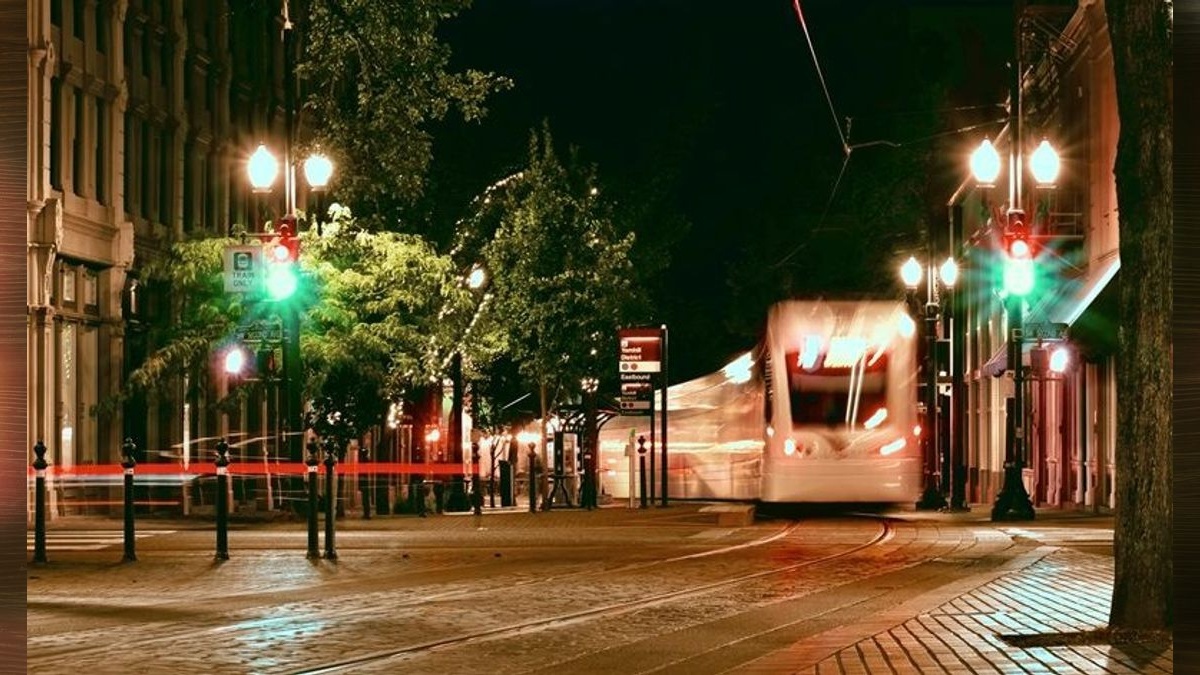
Opinion: MAX at 40 – How light rail helped empty Portland’s transit system
O'Toole argues TriMet's light-rail investment cut bus service, drove fare hikes, and reduced Portland-area transit commuters from 9. 6% in 1980 to 3. 8% by 2024.
t Letter: ‘The pipe dream of putting light rail on it’
Brush Prairie resident Bob Mattila argues light rail on the new I-5 Bridge doubles its cost due to earthquake-proofing requirements.
Opinion: A clear admission of guilt
Editor Ken Vance argues the Clark County Council's new Rules of Procedure are a clear admission of guilt over Belkot's C-TRAN removal.
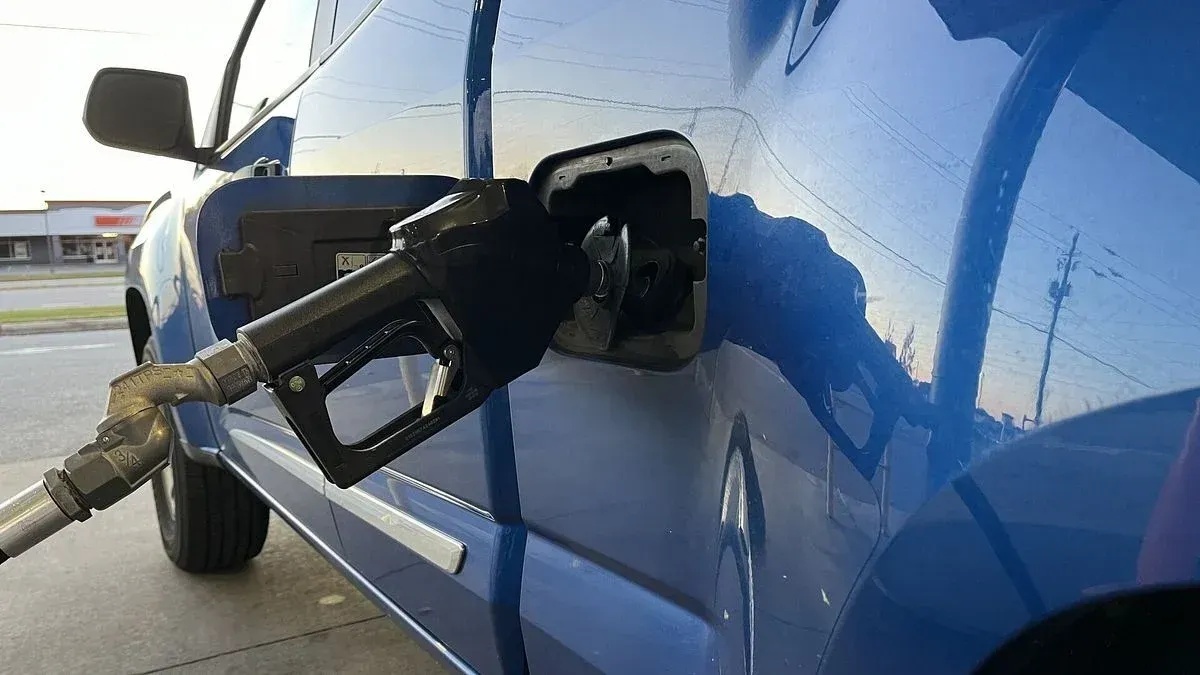
Washington gas prices surge while other states see drop
Washington's gas average hit $5.37 per gallon Tuesday, up from $4.40 a year ago, with diesel at $6.52 statewide.
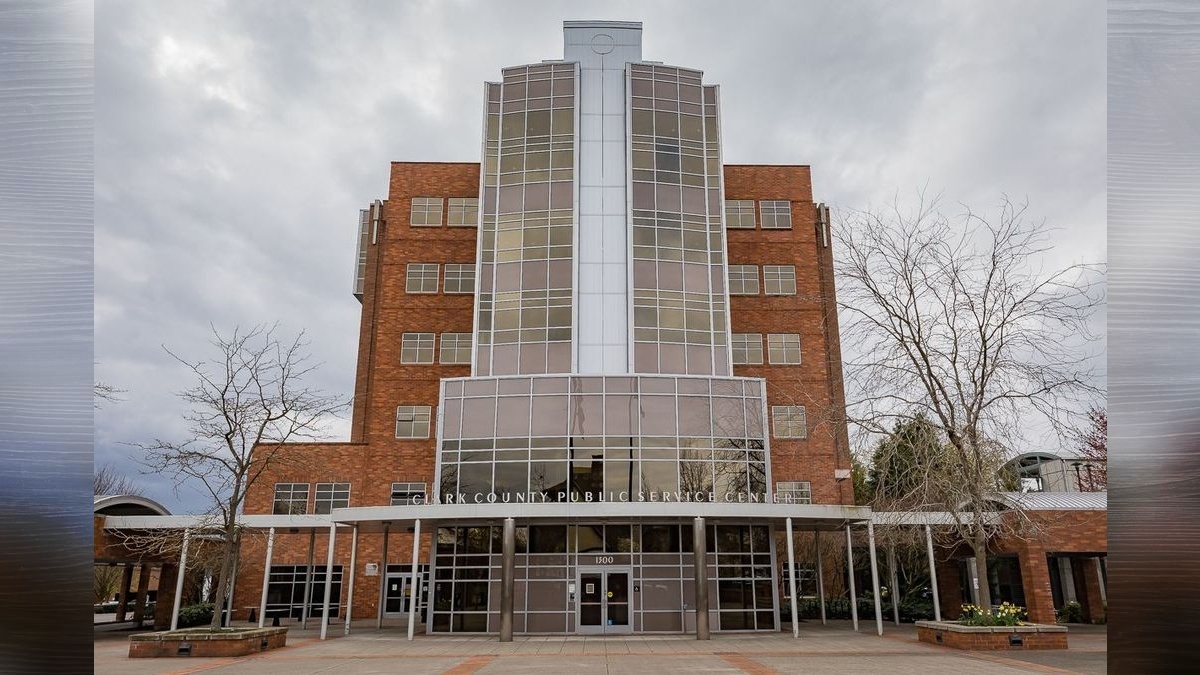
Belkot says ‘this is so wrong’ as Clark County Council changes its Rule of Procedure
Clark County Council amended its Rules of Procedure to allow directing councilor votes and removing board members by simple majority.
Letter: Not too late for better I-5 crossing
Bob Ortblad argues preserving current I-5 bridges for local traffic and building an immersed tunnel avoids tolls, reduces congestion, and saves hundreds of millions of dollars.
Letter: Where did the idea of expansion to The Vine buses come from?
Vancouver resident Bob Zak questions C-TRAN Board oversight of costly Vine Bus expansion amid low ridership.
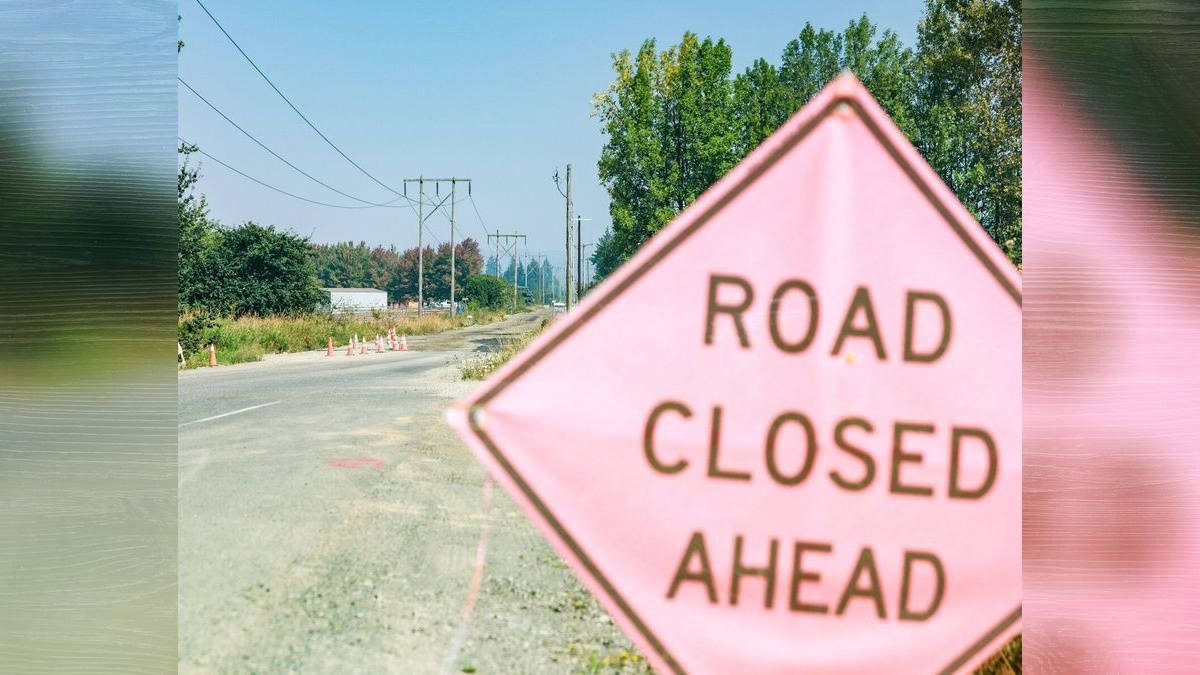
Sewer line problems to blame for extended 92nd Avenue construction in Battle Ground
Battle Ground's 92nd Avenue has been closed for nearly a year after a sewer inspection found problems throughout the entire installed line.
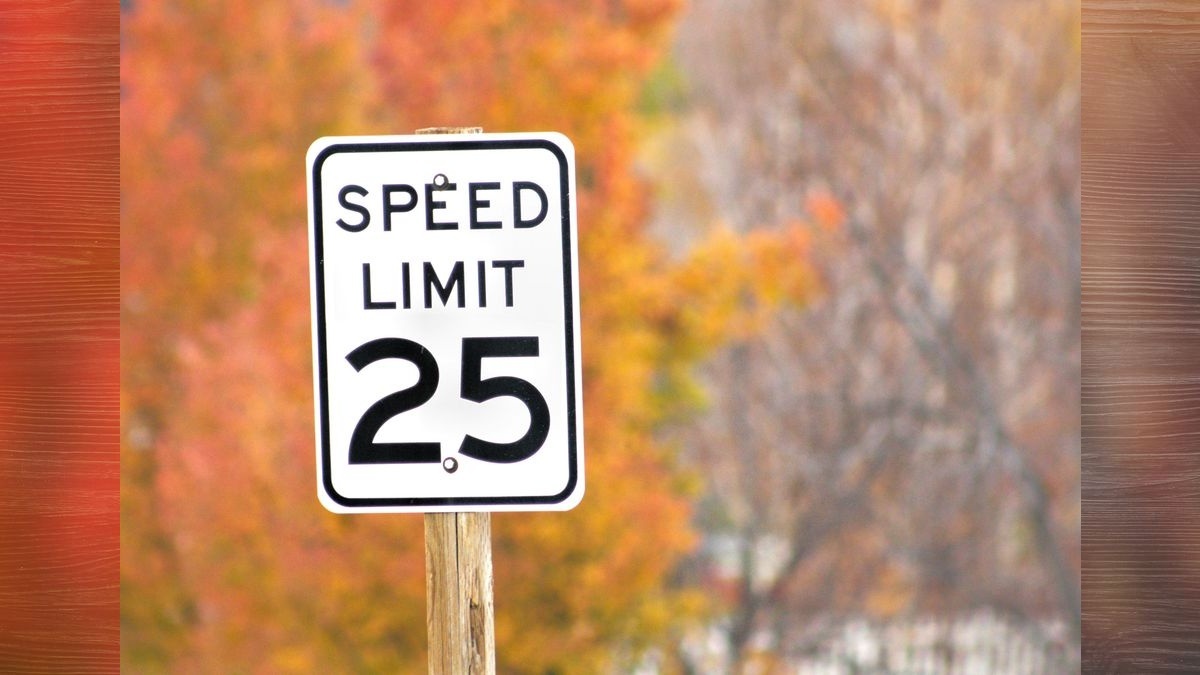
Opinion: The problem with setting speed limits by how fast people drive
Doug Dahl argues the 85th percentile speed-limit method lacked evidence and was built on a flawed reading of crash data.
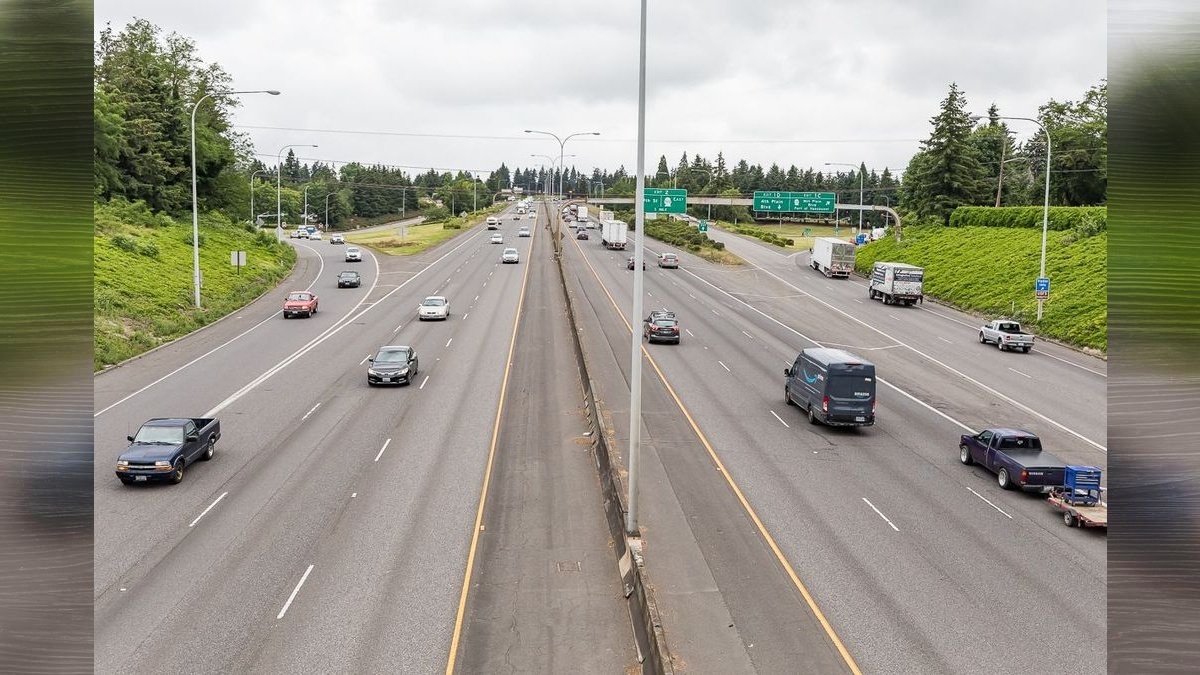
Ready, set, road trip: WSDOT offers Labor Day weekend travel tools and tips
WSDOT urges travelers to use its travel charts, mobile app, and traffic cameras to navigate Labor Day weekend congestion on key state highways and ferries.
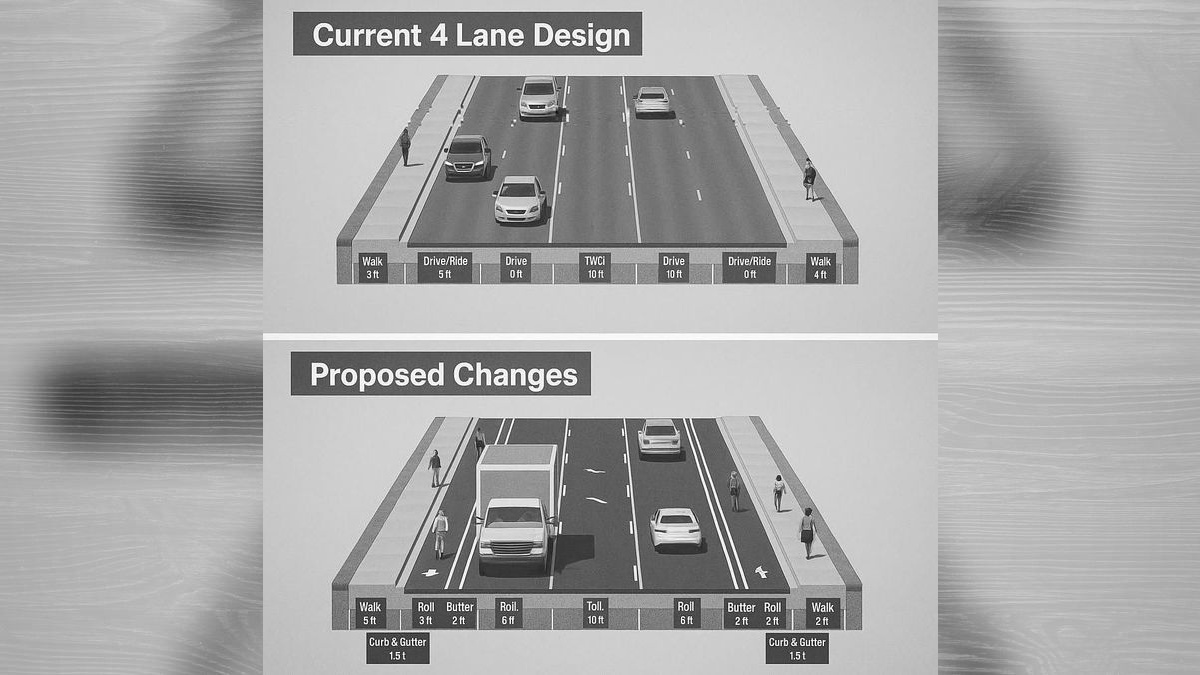
Save Vancouver Streets will make its argument before Washington State Court of Appeals
Save Vancouver Streets will argue before the WA Court of Appeals on Sept. 11 after collecting 6,500 signatures.
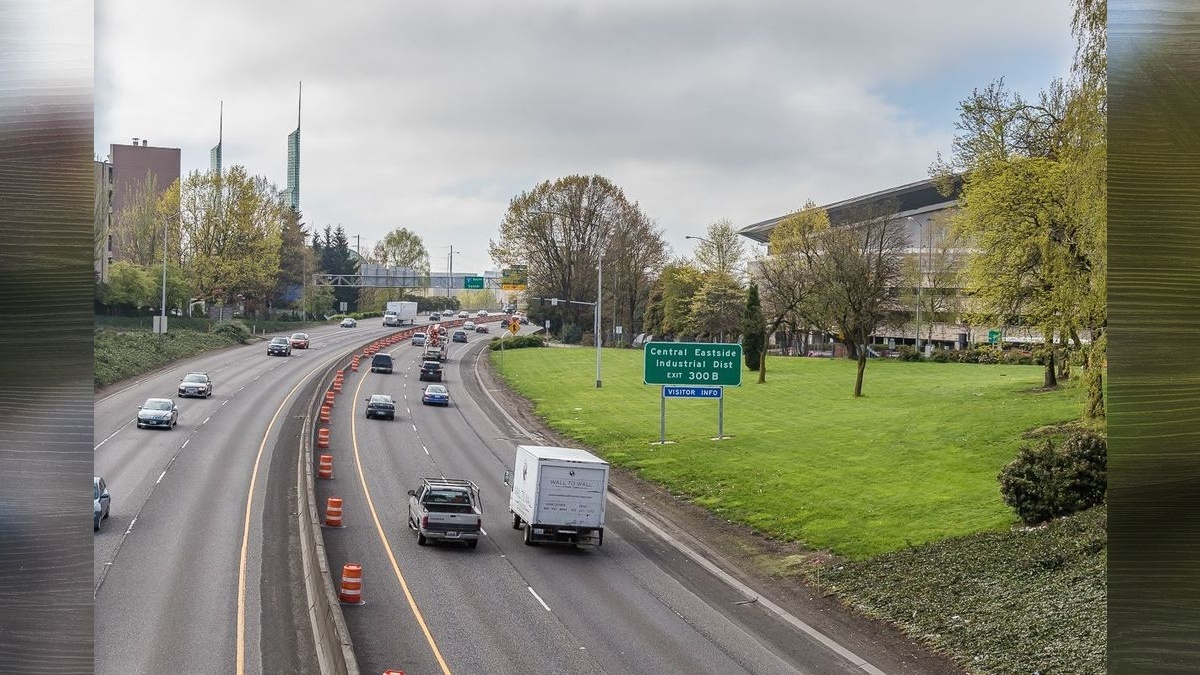
Opinion: Portland’s War on Cars Part 4 – A smarter automobile strategy to end gridlock
O'Toole argues fuel wasted in Portland-area congestion has sextupled since 1982, generating 250,000 tons of extra greenhouse gases annually.
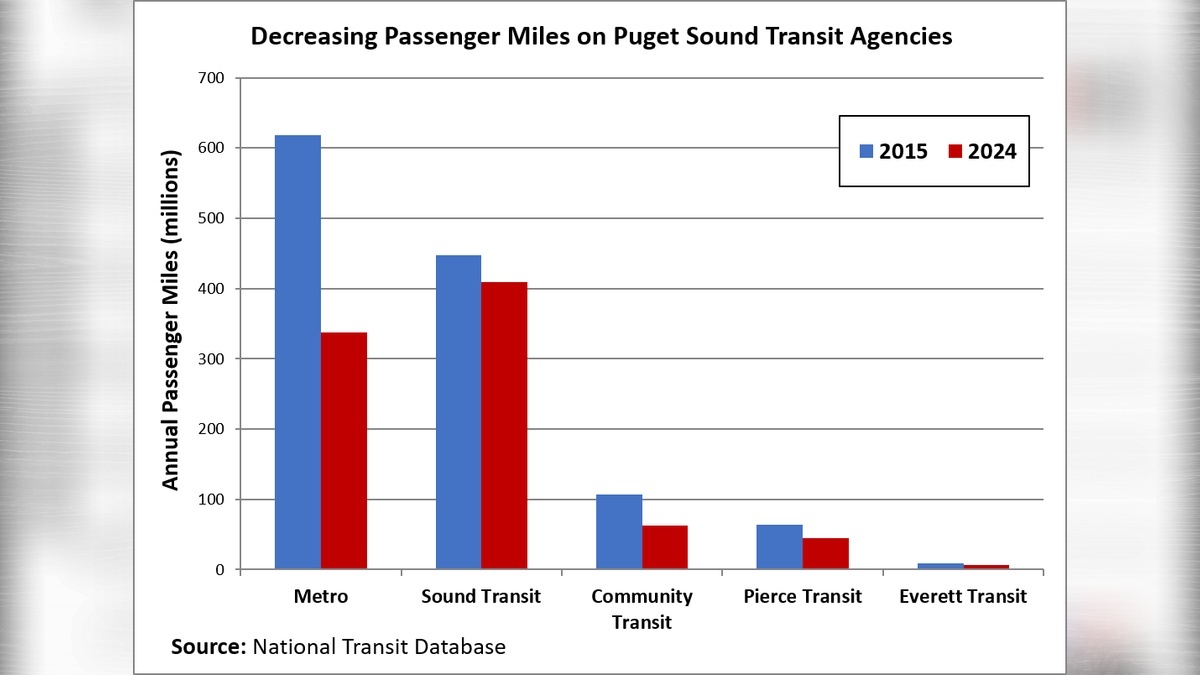
Opinion: Transit ridership trends are dismal but regional plans are oblivious
Puget Sound transit passenger-miles fell 31% from 2015 to 2024 despite a half-million-resident population increase.
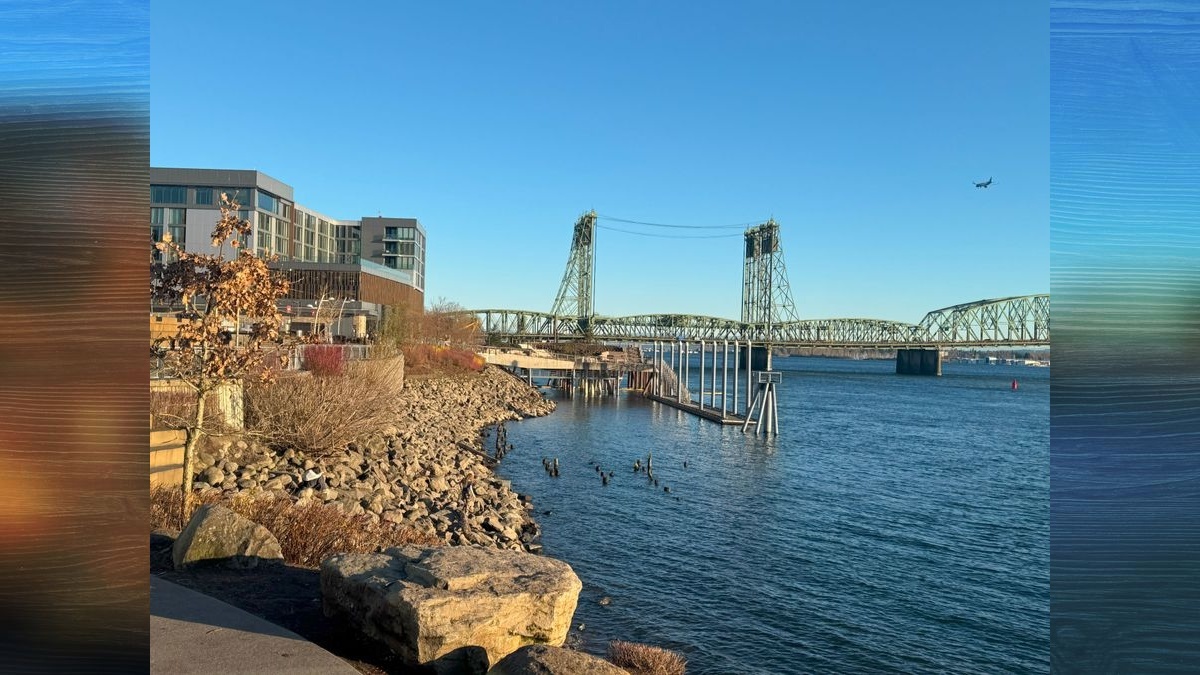
Interstate Bridge Replacement Program seeks qualified firms for bridge replacement contract
The CRBR project is backed by $5. 7 billion from state funds, federal grants, and future tolling.
Places in this coverage
Related topics
Prefer to explore by section? Browse all Transportation stories →