
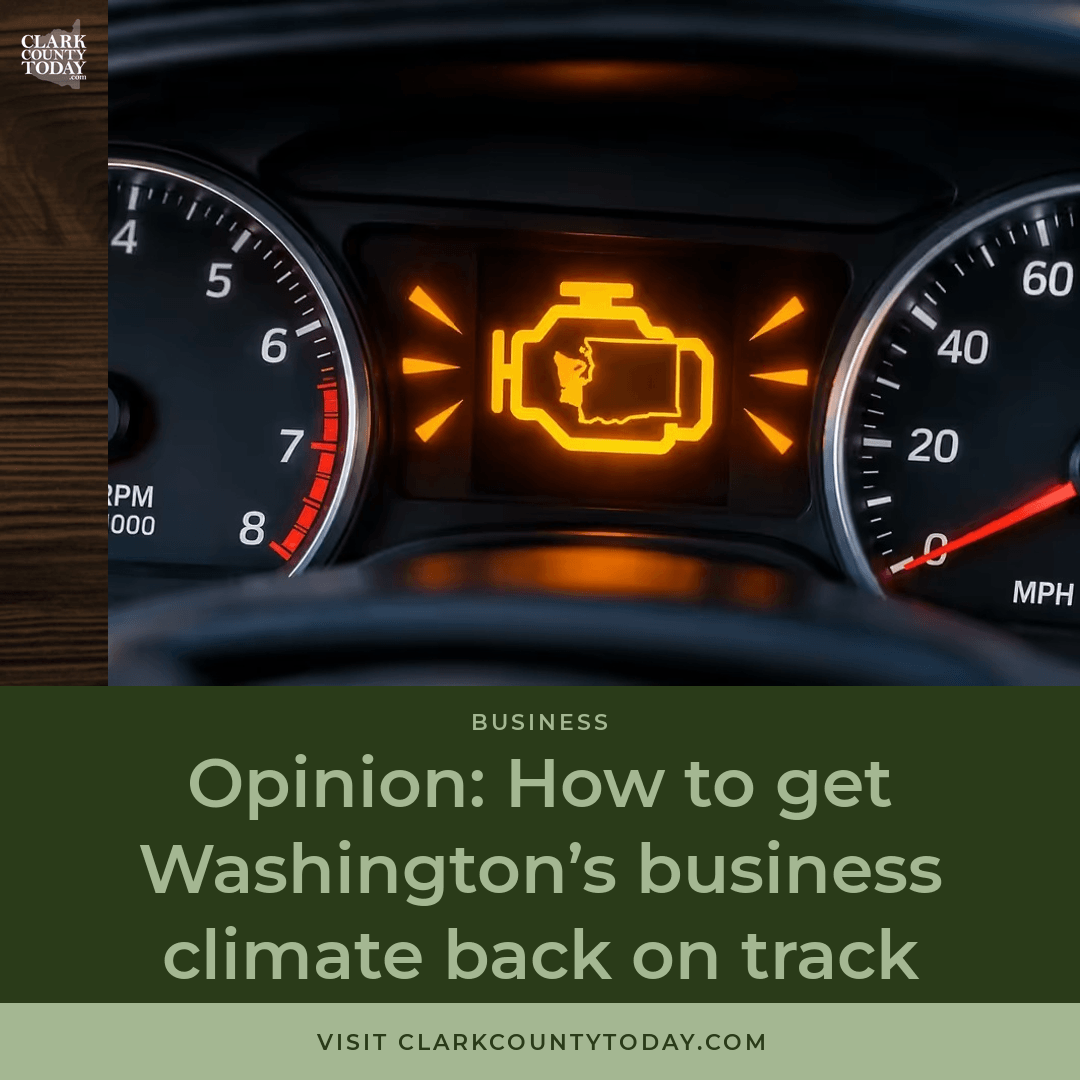

The check engine light for Washington’s business climate is flashing.

Sam Cardwell
In July, the Association of Washington Businesses (AWB) held a summit with small businesses, policymakers, and stakeholders to diagnose and address Washington’s current business climate. Washington has a long history of being a state of innovation with companies like Amazon, Boeing, and Microsoft being launched in the Evergreen State.
Over the last decade, however, the Washington Legislature has passed a series of massive tax increases and regulations that have caused companies in Washington to financially suffer and some leave the state altogether. AWB found in its Spring survey that 1 in 4 businesses were considering leaving the state. Washington is a beautiful and vibrant state that is worth fighting for, and AWB is advocating potential policy solutions to restore its promise.
AWB’s Economic Future Solutions Report highlights the great need for overall budget discipline. From 2013-2025 Washington’s budget grew an astonishing 112%. If the budget instead increased at the rate of population growth and inflation since 2013, spending would be a whopping 26 billion dollars less than it is now.
Washington must become more efficient and effective in its budget spending. Internal reviews, clear metrics, and explicit performance goals would help the budget focus on results. AWB noted, “Measure results and revisit programs that aren’t working.”
Former Governor Gary Locke said at the summit, “Government will never have enough money to satisfy everyone’s wish list. So you have to establish priorities. It’s been my motto that instead of doing everything in a mediocre fashion, let’s set priorities and do a few things really really well.”
In a recent media interview Locke explained further, “We have enormous challenges in the state of Washington, and I don't envy the task that our legislators and our governor are facing. But when we constantly raise revenues and then say that it's not enough, and then we raise them again, and then we're not even looking at the efficiency and the effectiveness of current programs, pretty soon the voters are going to say, ‘The promises are not being kept, and we're just being taxed like crazy.’"
Overall, businesses need predictability to succeed. Record tax increases and increasing regulatory burdens year after year are inflicting massive damage. Washington imposed $9.4 billion in new taxes in 2025, and in 2026 enacted an unconstitutional state income tax. Entrepreneurs need to have the sense that they can start a business and be in it for the long haul, instead of experiencing massive anxiety every time the legislative session comes around.
AWB’s summit wisely recommended lawmakers commit to no new taxes, and a two-session review period for when taxes are proposed. This would provide lawmakers more time for deliberation and input from those affected. When you pass massive tax bills in the waning hours of session, mistakes are bound to be made and important economic considerations ignored.
An AWB study found that Washington is the 8th most regulated state, with 50% of its regulations being categorized as “excessive”, and up to 70% qualify as administrative red tape. Business owners are feeling the impact of long review periods for permits, procedural complexity, and snowballing costs. This hampers economic growth.
In contrast, neighboring Idaho has implemented a distinctive approach known as zero-based regulation, which requires state agencies to rebuild their regulatory codes from scratch on a periodic basis while the legislature annually reviews regulations.
One possible solution is using artificial intelligence. AI has been introduced as a potential help with permitting tasks and timelines in city and state governments across the country. The Honolulu Department of Planning and Permitting implemented an AI software that helped cut review times by 70% for residential building permits. Each industry is different, but Washington lawmakers should revisit regulations, consult with industry experts, and rethink how to streamline processes.
Washington State is ranked an abysmal 45th in the Tax Foundation’s State Tax Competitive Index for all of the prior reasons stated. It is time to get the Evergreen State back on track. AWB suggests that Washington prioritizes budget discipline, brings greater stability to tax policy, and clear the way for growth.
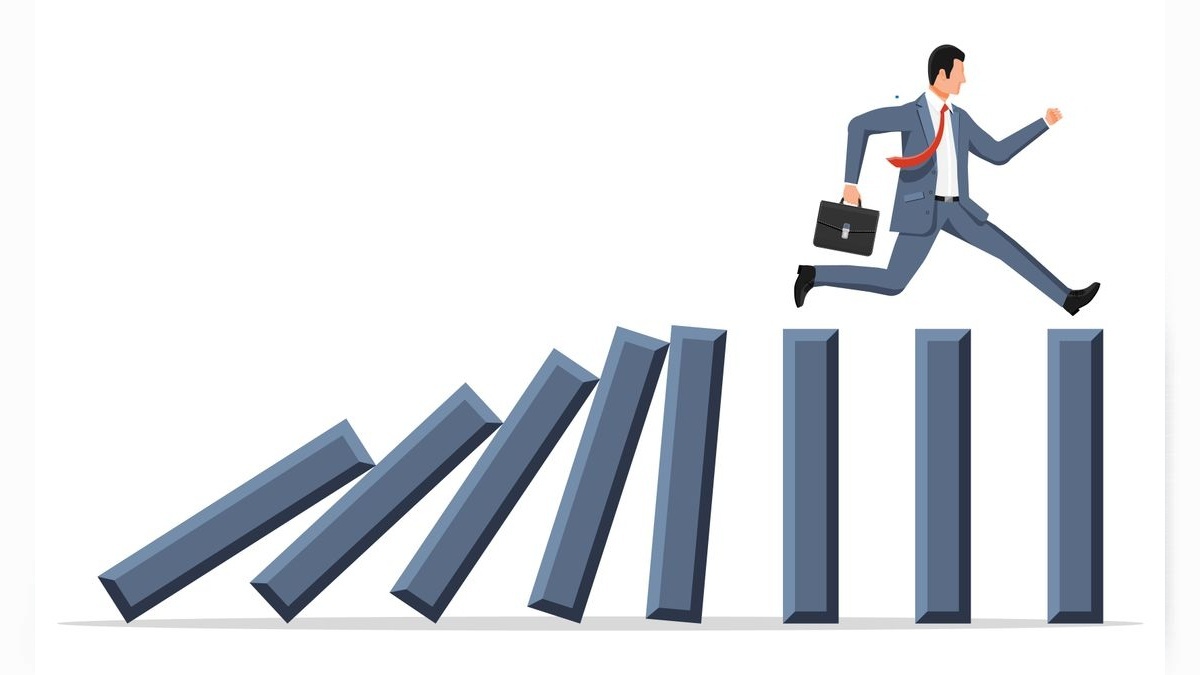
Businesses of every size are trying to provide solutions to some of the marketplace's toughest challenges, but they should be rewarded for doing so, not punished. Washington is currently driving these innovators away and suppressing their economic and societal potential.
If Washington lawmakers take a serious look in the mirror, they can reverse course to bring hope back to the Evergreen State's business climate.
Sam Cardwell is a Policy Analyst for the Mountain States Policy Center, an independent research organization based in Idaho, Montana, Washington and Wyoming. Online at mountainstatespolicy.org.

Comments
Loading comments…