Opinion, Rep. Liz Pike: On transportation issues, we need visionary, forward-thinking solutions
By Rep. Liz Pike Recently, I held a town hall meeting to discuss future transportation solutions. More than 150 citizens attended to hear about creative ideas presented by the private sector. From that outreach and dozens of meetings with business leaders and citizens, several important points have become apparent as we look to solve our …
By Rep. Liz PikeRep. Liz Pike, R-CamasRecently, I held a town hall meeting to discuss future transportation solutions. More than 150 citizens attended to hear about creative ideas presented by the private sector. From that outreach and dozens of meetings with business leaders and citizens, several important points have become apparent as we look to solve our local transportation crisis.
1. Strong leadership is required now to address traffic congestion hampering our region’s economy.
The solution is two-fold; create 50,000 new jobs in Clark County and identify new corridors to connect with Oregon. The former requires bold regulatory reform and a massive overhaul of Washington’s Growth Management Act. The latter requires a process whereby legislators from both sides of the river meet face-to-face to agree on a comprehensive plan that would address current and future transportation needs.
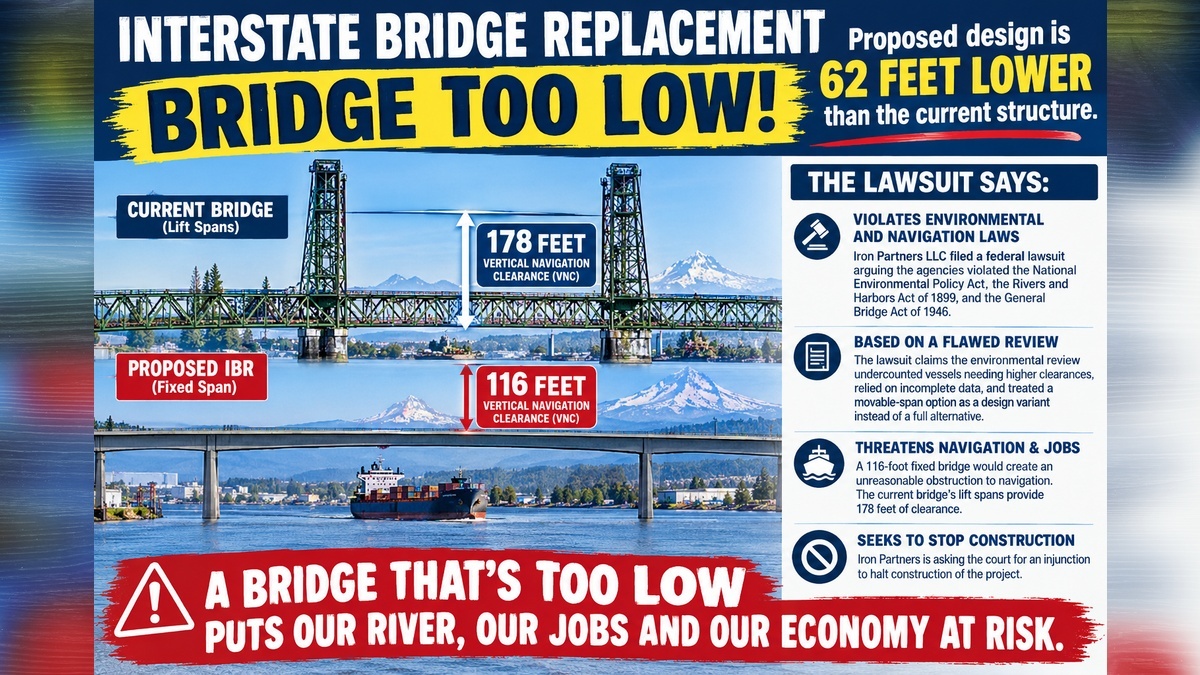
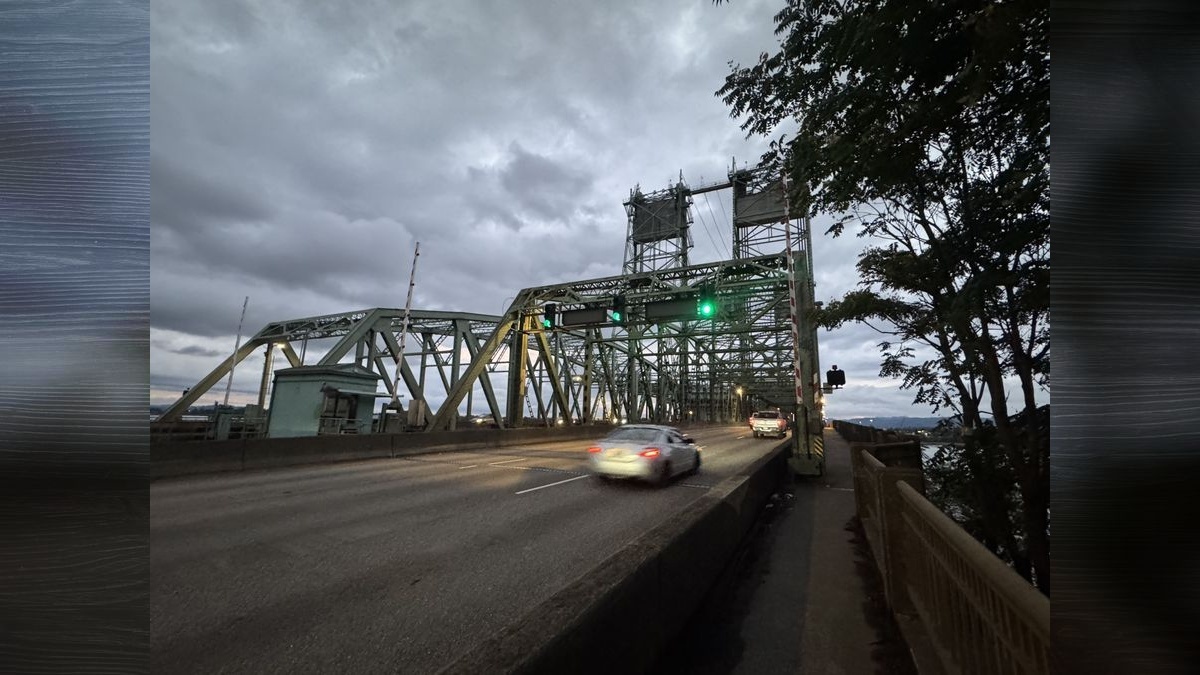
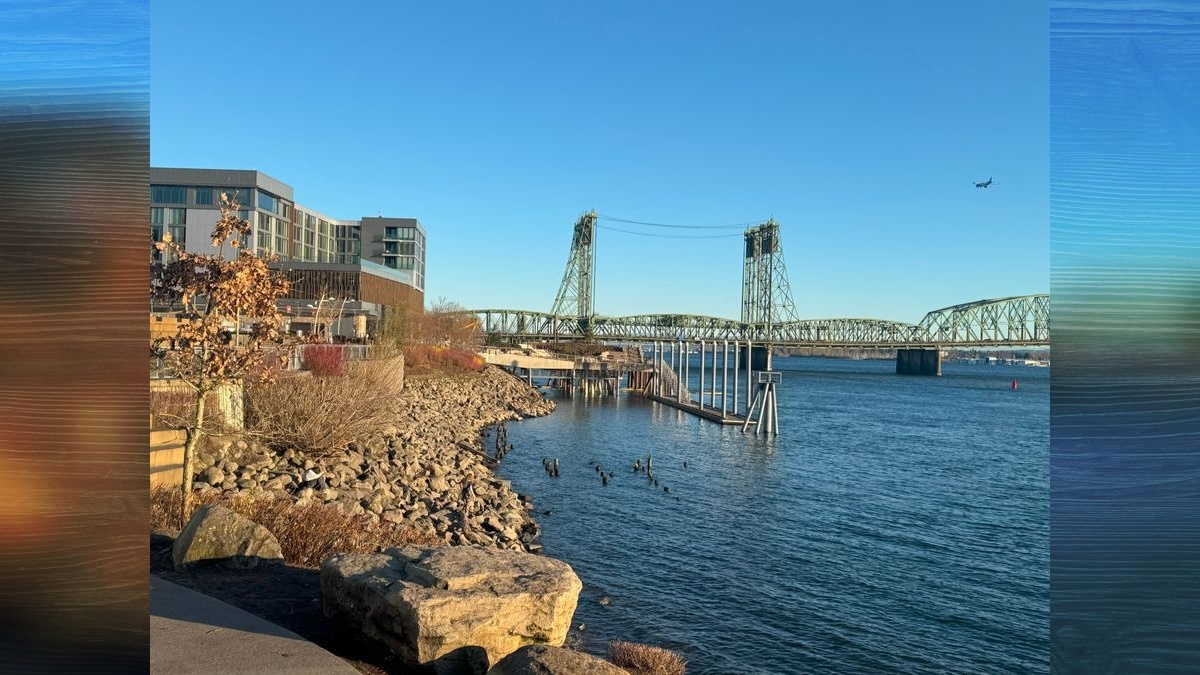
2. We need to put the failed Columbia River Crossing (CRC) behind us permanently!
Three years ago, the CRC project ripped our community apart. Wounds are finally healed. Sadly, it appears special interests who would gain financial benefit are trying to resurrect this failed project. Transportation policymakers in Olympia have two choices; one is visionary, the other reactionary.
3. We need a visionary, common-sense path forward — not a reactionary, rear-view mirror approach!
I introducedHouse Bill 1222 to address the woefully inadequate transportation system between our two states. The measure would have created a bi-state bridge legislative work group made up of eight Washington and eight Oregon legislators, with an equal number of Democrats and Republicans. The group would address the Interstate 5 (I-5) corridor, identify new corridors, develop a 10-year, 25-year and 50-year plan, and report recommendations to the Legislature. Unfortunately, the House Transportation Committee advanced a controversial, reactionary bill that could send us backward toward a CRC revival with a 14-10 vote along party lines.
4. Washington leaders must acknowledge stark political realities.
Alarming financial predicaments face both Washington and Oregon. Oregon’s I-5 corridor is failing. Any new bridge built in the same corridor that dumps freight haulers and commuters into the existing Portland traffic morass would do nothing to fix congestion. It would waste precious tax dollars and result in a nicer parking lot leading south on I-5.It will be challenging for Portland to find money to address I-5 deficiencies south of the Columbia River. Oregon is already struggling from a $22 billion unfunded pension liability under a court order by the Oregon State Supreme Court. The Oregon Legislature is debating a new transportation tax package that does not include a single penny for a new bridge over the Columbia River!Washington state has its own share of financial problems. Our taxpayers have the second highest gas tax in the nation at 49.4 cents a gallon. Combined with an 18.4 cent federal gas tax, we pay 62.9 cents per gallon in taxes. For the next 20 to 30 years, we’ll use gas tax dollars to pay off projects financed by the 2003 nickel tax, the 2005 9.5 cent tax and 2015’s 11.9 cent tax.Our Legislature continues to bond the state into debt. Today, almost 90 cents of every gas tax dollar pays for bond debt. Instead of buying concrete and rebar, we’re paying bankers and bondholders. In the future, we need a “pay as you go/partial bonding” model and an option of public-private partnerships.With a new president committed to funding roads and bridges, now is an ideal time to sit down with our federal delegation and our Oregon neighbors to set up a plan to address transportation needs. This discussion must not wait.
5. Our growing region demands an overarching corridor strategy.
The strategy must provide hard data to policymakers on how many new corridors are needed and a general sense of how corridors should perform. This is creating a vision. Absent of additional corridor understanding, any I-5 investment is of limited value without a long-term vision south of the Columbia River.
6. The public must play a central role in mega-transportation project discussions.
This is why I held a town hall meeting with presentations by career bridge and tunnel experts, along with citizens passionate about solving problems. No state transportation tax dollars were used to present four ideas to help commuters and freight haulers. The last hour provided an important opportunity for public comment.
7. Elected officials must hear from citizens at the beginning of this process.
It’s critical to gather input and gain public support since our citizens will be asked to fund solutions that come forward. Whoever ultimately represents Washington residents at the table with Oregon must first listen to constituents ahead of a pre-determined solution made “behind closed doors.” It’s imperative we put citizens first. On this point, there will be no compromise.I’m planning an additional “Transportation Solutions” town hall meeting so citizens may see new corridor options and weigh in with their thoughts. Now is the time for forward-thinking solutions that address critical transportation congestion.


Comments
Loading comments…