
Rob Anderson says ‘ethics rules should not depend on which party an elected official belongs to’
Rob Anderson
Founder Reform Clark County
ReformCast podcast host
Last week, I filed another ethics complaint — this one against Vancouver City Councilmember Diana Perez. My previous complaint was against Clark County Councilor Wil Fuentes. Both complaints raise similar concerns: potential conflicts of interest, self-dealing, and a lack of transparency. Both officials are Democrats, and both cases raise the same fundamental question: Are elected officials protecting their own interests while leaving the public in the dark?
As I detailed in this week’s episode of Reformcast, Perez co-owns a cat café on Fourth Plain, apparently aided by taxpayer money. In 2025, she made a motion and voted to fund, under the banner of housing, $100,000 in City money for Fourth Plain Forward (FPF) to provide “small business assistance.” The City and Clark County subsequently provided FPF with additional public funds for the same purpose.
Yet, according to the facts outlined in my ethics complaint, Perez did not disclose her own business plans or recuse herself from subsequent relevant votes. Section 6.0(F) of the Vancouver Code of Ethics addresses precisely the kind of personal financial interest that deserves scrutiny here.
Then came the loan. On Fuentes’ podcast, Perez acknowledged that she needed FPF’s financial assistance because she couldn’t get funding from traditional sources. She also explained that her own realtors had failed to find a suitable location until FPF helped her secure one in the very Fourth Plain corridor the public grants were intended to support. Fuentes, who helped administer FPF’s loan program while serving on the County Council, celebrated the arrangement with her on air.
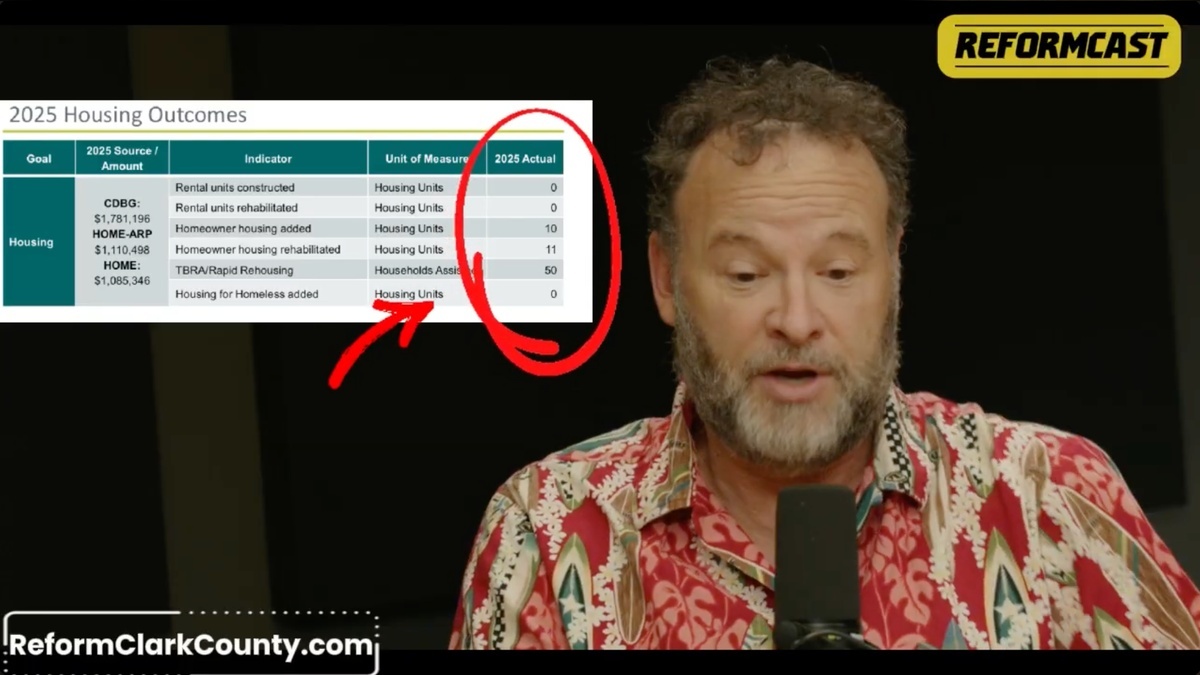
But at closer review, a new issue of fraud has surfaced since Perez reported to the PDC, around the same time as receiving her loan, income ranging between $130,000-230,000 for 2025, far above HUD’s 80% Area Medium Income standards. How did a current City Councilor and retiring US Forest Service employee with 20 plus years qualify for a “low income” program?
When a vote on new funding came up in May 2026 that could have brought this potential conflict into public view, Perez decided to just not show up. There was no public explanation at that meeting, no disclosure, and no opportunity for constituents to hear her address the apparent conflict between her public responsibilities and her private financial interests. If it was just a coincidence, it served to keep her conflict off the record. If it was intentional, it shows Perez is willing to put her business interests above her duty to serve the voters who put her in that position.
Fuentes has his own problem. The County Charter restricts a councilor from simultaneously holding certain employment with a County contractor. Yet Fuentes continued receiving paychecks from both positions, raising questions about whether his employment complied with the Charter, since both positions were funded by taxpayer money. Even more troubling, County officials—including the County Manager and the Prosecuting Attorney’s staff—had responsibilities to ensure compliance with the law, yet the issue apparently went unaddressed until ethics complaints were filed.
Both officials have explaining to do. Perez should publicly address the circumstances surrounding her votes, FPF’s financial assistance, and her business interests. Fuentes should resolve the questions surrounding his employment and, if it violates the Charter, relinquish one of the positions.
Now we’ll see what happens. Will Vancouver take its ethics code seriously? Will Clark County enforce its Charter consistently, even when a Democrat is involved? Or will these complaints be handled differently because addressing them would be politically inconvenient? On October 12, a complaint was also filed with HUD’s Office of Inspector General.
In the meantime, Diana Perez is now seeking a seat in the Washington State Legislature. Voters should examine how she handled her responsibilities at the local level before giving her greater authority over public funds in Olympia. If the allegations in the ethics complaint prove to be true, why should voters assume the same concerns won’t follow her to the state Capitol?
Public office is a public trust. It is not a vehicle for personal benefit, and ethics rules should not depend on which party an elected official belongs to.



Comments
Loading comments…