
Ballot language in Washington state is no longer impartial.

David Boze
At issue is the “public investment impact disclosure” statements that the attorney general is now legally obligated to provide that list the top three areas spending would be reduced if the voters are faced with any measure that cuts taxes. Never mind that all money is fungible for the Legislature and they could set any priorities for spending they so choose. In the case of this years ballot, the “impact” described was demonstrably false. No revenue was yet collected and not one penny spent on any of the programs listed as suffering “cuts.”
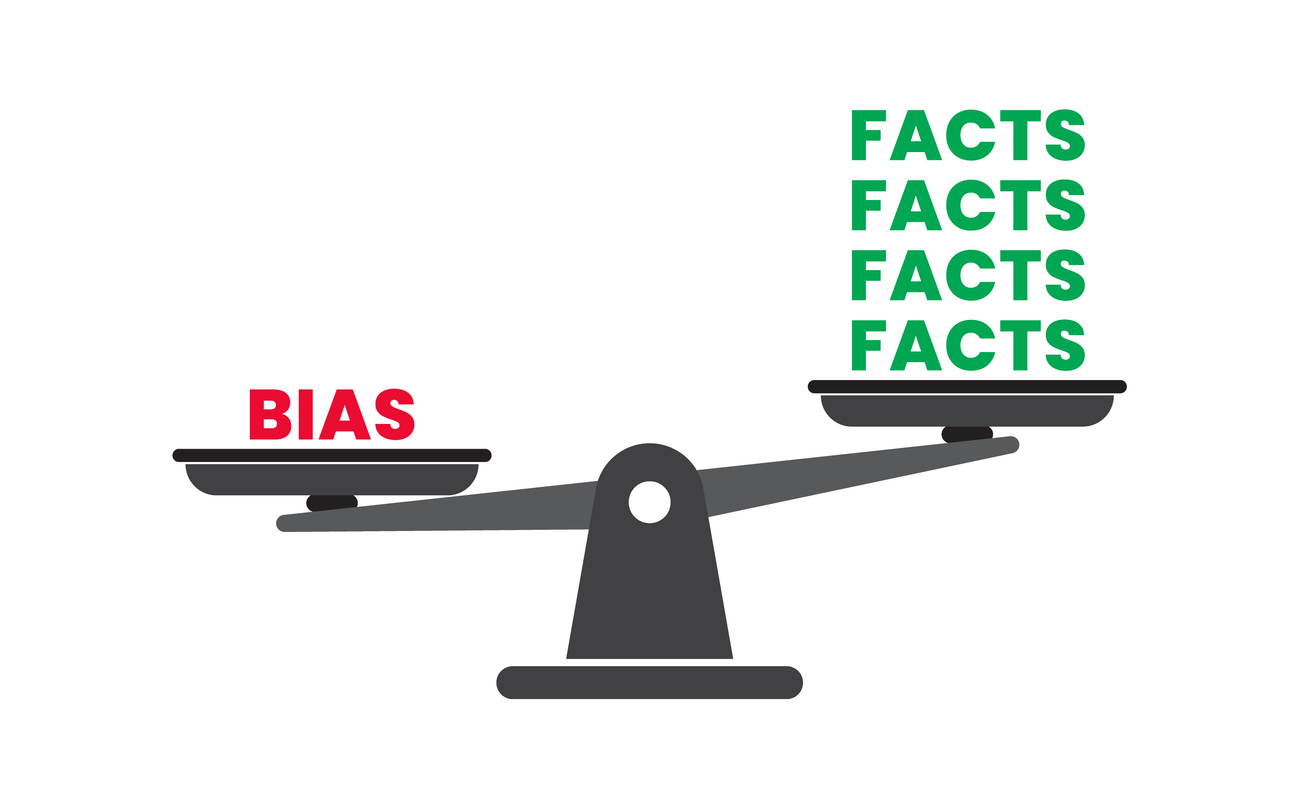
The mandated “public investment impact disclosure” statements ensure that any attempt by citizens to repeal a tax is positioned in a negative light. Voters are not asked the objective question, “Do you support keeping the income tax?” Instead they are treated to a bias presentation with context offered only on one side of the issue. Added to I-645, the initiative to repeal the income tax, were the words “This measure would decrease funding for public K-12 education, higher education (including universities and community colleges), and human services (primarily healthcare).”
Again, the obvious bias was made more egregious by the fact that the tax has not been collected yet. Not a single program was funded by this tax at the time of voting. Yet a repeal of it is described as a “cut.” This is because when the language was challenged, Thurston County Superior Judge Chris Lanese, became visibly agitated by the very idea of cutting taxes and openly made a policy case for defeating the repeal. Watch his ruling and it becomes clear, he wanted the language to stay because he wanted people to vote against tthe initiative.
As a result, the state required language saying it would cut ffunds to services it didn’t yet provide a penny for, and left out other relevant context, such as growth in state spending in recent years. It also left off the trade-offs. Yes, the state is expected to collect more revenue with the income tax but as an analysis from The Buckeye Institute (in cooperation with WPC) pointed out, the tax is also expected to result in the loss of $4.9 billion in economic growth, the loss of 7,800 jobs, and $3.1 billion in private investment in 2028. Does that sound like a public impact equally worth disclosing?
Of course it does.
But fairness is not the point. As my late college professor used to say, “control the language, control the debate’ and that’s exactly what income tax advocates wanted.
A DHM Research Survey of 800 Washington residents conducted in mid-September measured the power of this supposedly unbiased approach to ballot language. When the question was asked and participants were shown the official ballot language with the “public investment impact disclosure,” 57 percent said they would vote to keep the tax. Without the “public investment impact disclosure” only 44 percent supported the tax.
The bias is real, substantial, predictable and planned. Ballot language must be made neutral again. The mandate for “public investment impact disclosure” statements should be repealed.
David Boze is the director of communications and strategy at the Washington Policy Center.




Comments
Loading comments…