
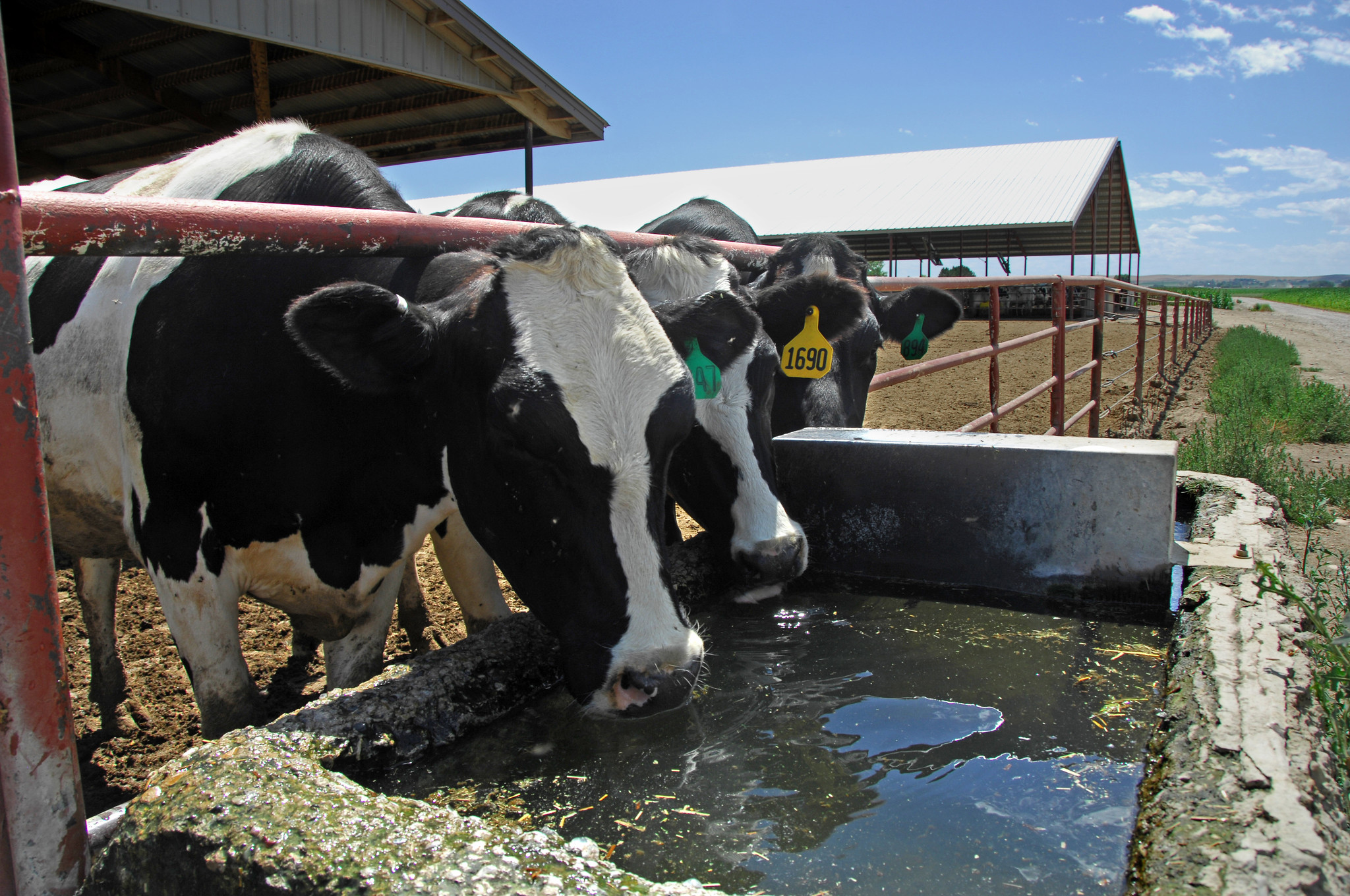
Bird flu is hitting Washington dairy farms and it’s spreading fast.
The Washington State Department of Agriculture confirmed the first detections in two Yakima County dairy herds in early October. On Oct. 26, the agency reported the highly pathogenic avian influenza (HPAI) in Benton County.
In the span of three weeks, 27 dairy farms tested positive for bird flu.
“The virus is moving fast … despite all the efforts that we’ve done within containment,” said Amber Itle, state veterinarian. “Right now, the risk for humans is very low.”
Milk from an infected dairy cow does not pose a risk for human consumption, Itle said. However, the department recommends drinking pasteurized milk because the virus will be killed during processing. The virus has not been found in meat, Itle said.
Containing the spread will be challenging because researchers don’t fully understand how HPAI transmission occurs, Itle said. Transferring sick dairy cows and contaminated equipment from one farm to another are known causes, but there’s likely many more.
“There’s been some studies that even suggest that flies can move this virus, the wind can move this virus, and possibly even … birds that maybe move from one farm to another,” Itle said.
Washington is the 20th state in the country to detect avian influenza in dairy cattle.
In the last two years, the Washington Animal Disease Diagnostic Laboratory conducted more than 7,000 bird flu tests on individual farms. Until three weeks ago, all tests came back negative, Itle said.
In response, “every farm in the targeted milkshed where we’re seeing spread is being tested on a weekly basis,” Itle added.
Symptoms of the disease include decreased milk production, changes in milk appearance, loss of appetite, fever, respiratory issues and changes in manure. When properly treated, most infected cattle recover within six weeks, according to the agency.
The Washington State Department of Agriculture recommends isolating animals suspected of carrying the disease and reporting the symptoms to the state by emailing [email protected] or by calling (360) 902-1878.
This report was first published by the Washington State Standard.


Comments
Loading comments…