
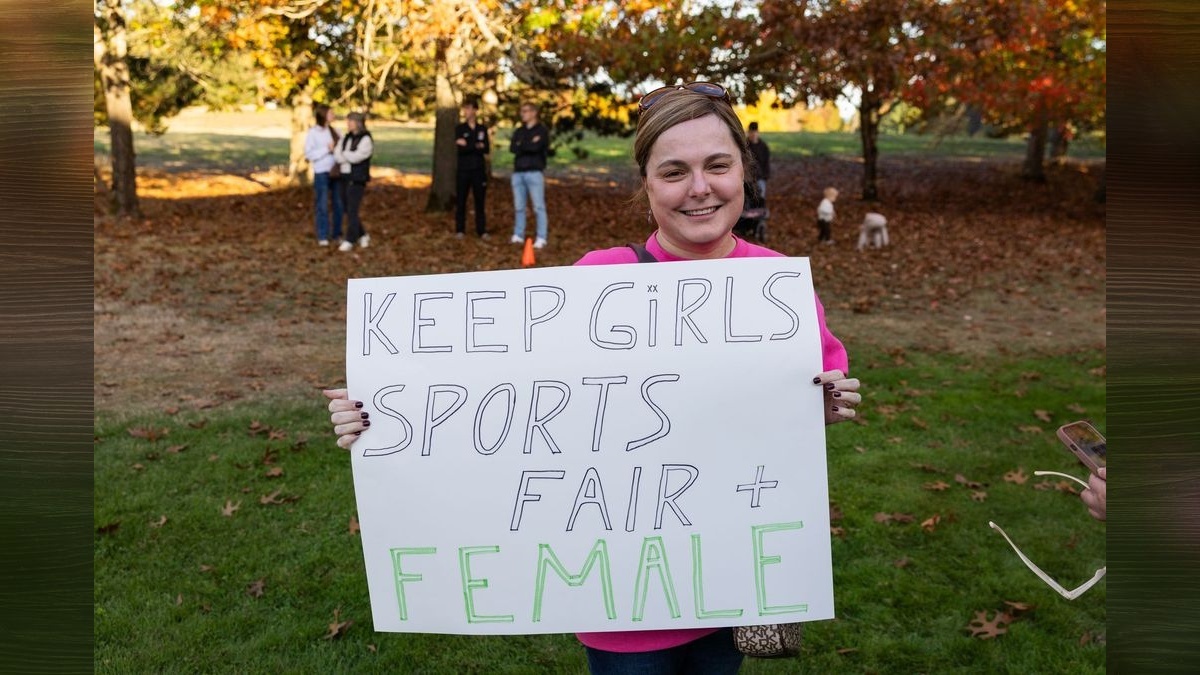
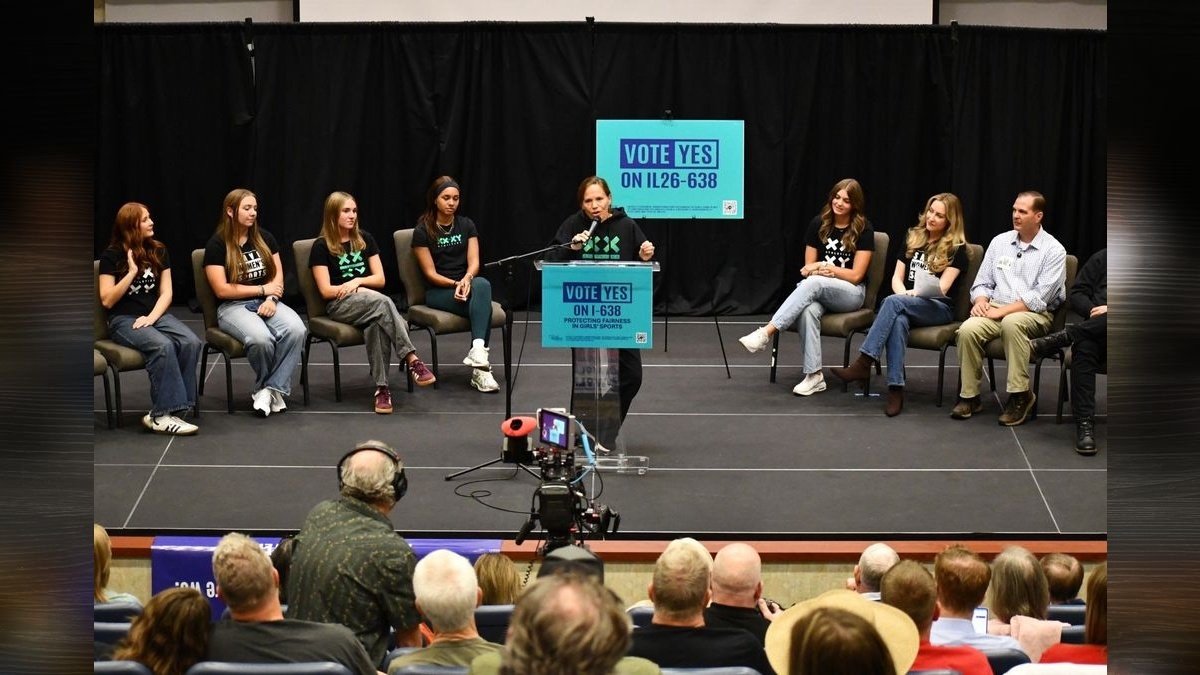
A lot of work went into getting Initiative 638 on the Nov. 3 general election ballot, giving voters in Washington state the opportunity to decide whether or not biological males should be allowed to participate in girls’ sports. Let’s Go Washington collected 445,187 signatures for that measure to go before voters.
A recent poll showed 56 percent support for I-638. However, it appears more work will have to be done even if voters approve the initiative Tuesday.
Clark County Today reached out to the Washington Interscholastic Activities Association (WIAA), the governing body for high school athletics in this state, to inquire how the organization will respond if I-638 is approved by voters. In short, the answer is the WIAA will do nothing until state law is changed or they receive instruction from the Office of the Superintendent of Public Instruction (OSPI).
“The WIAA Handbook provides the framework for schools, leagues, and WIAA Districts to operate throughout the year, including WIAA Handbook 18.16.0, which states that school personnel will work collaboratively with the student to determine eligibility,’’ stated WIAA Director of Communications Sean Bessette. “The WIAA remains committed to following Washington state law (RCW 28A.642.010) which permits student-athletes to participate in sports consistent with the gender with which they identify.
“The gender-identity participation policies found in the WIAA Handbook at Rule 18.16.0 have been in place for 20 years, since the 2007-08 school year,’’ Bessette said. “The rules were passed to align with Washington state law. If state law changes, the WIAA Executive Board will revise policies as necessary to remain in compliance with state law. The application of I-638 and any accompanying changes would need to undergo legal review and through the State of Washington Attorney General's office.’’
As expected, that statement was not well received by Let’s Go Washington officials, and others, who said if I-638 is approved by voters “it will go into law 30 days after it passes.’’
“The WIAA attesting that they won’t stand up for girls’ rights even when I-638 passes is egregious,’’ said Hallie Halzberg, director of communications for Let’s Go Washington. “Not only are they refusing to advocate for girls and protect safe and fair access to their sports now, but they’re preemptively confirming that they will protect the rights of boys to take roster spots and opportunities from girls. The WIAA needs a reality check and to get on board with actually standing up for girls’ rights.’’
What exactly will happen after the election if I-638 is approved by voters is unclear. However, given the passion that exists on each side of the issue, most interested observers concede that the days and weeks following the election could get extremely political.
Most agree there will likely be legal challenges, including the option for proponents to sue and take the issue to the State Supreme Court. The WIAA has always stood behind the need for either the Washington State Legislature to change state law or for the OSPI to offer direction on the issue.
However, State Superintendent Chris Reykdahl has been outspoken in his opposition to I-638. And, backers of the initiative point out that the Washington State Legislature has a reputation for ignoring the will of the voters. One possible scenario is that the Democrats who hold majority in the legislature will approve I-638, but not before “gutting it.’’
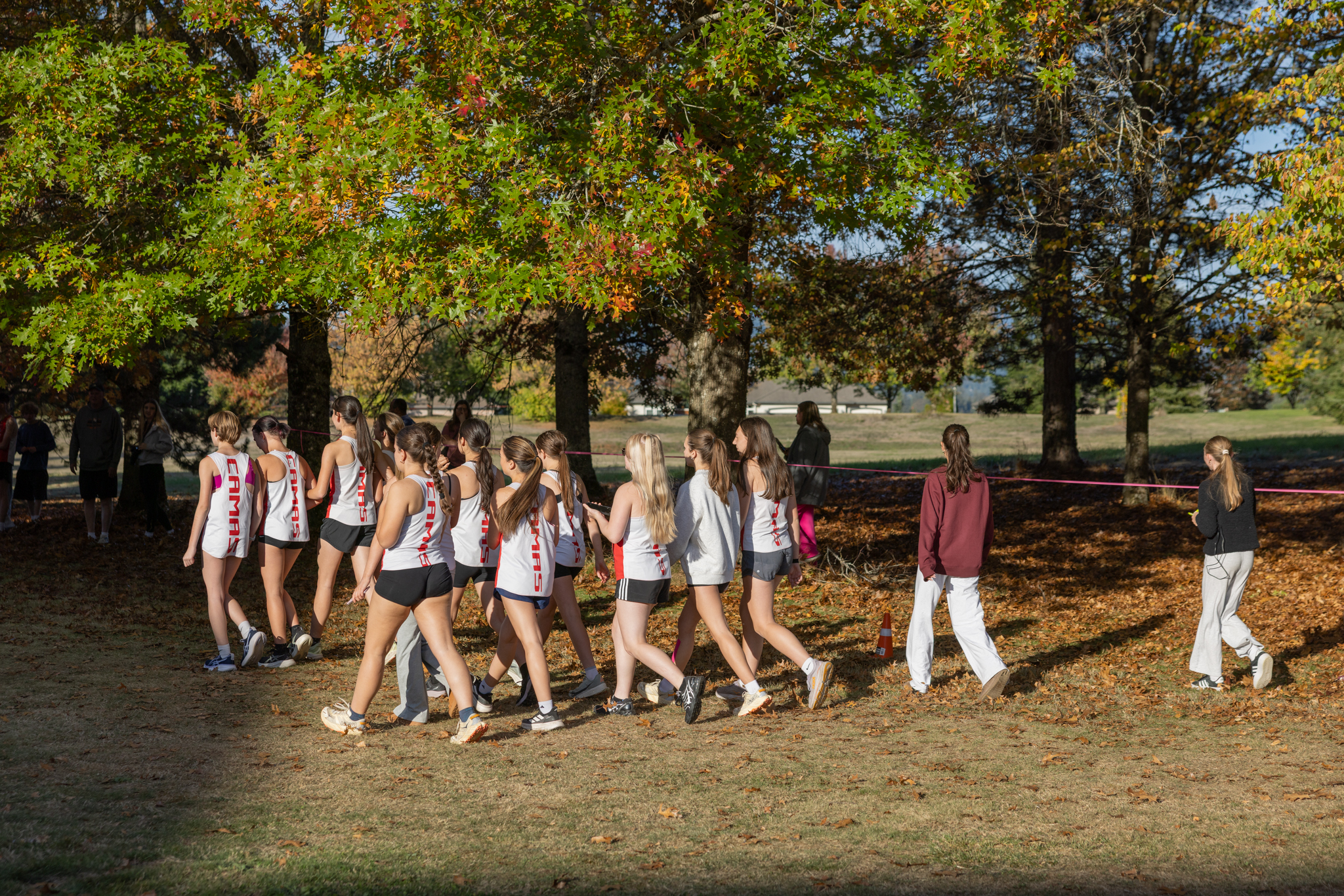
“I would be very disappointed that the WIAA or OSPI would consider ignoring the will of the people. Shame on them if they do!’’ Rep. John Ley (18th District) told Clark County Today, pointing out the recent actions of girls’ cross country athletes in Clark County who have taken a stand on the issue by refusing to participate against a biological male who began this season competing for the Camas boys’ team and later switched to the girls’ team. “We have some very courageous girls at Skyview, Battle Ground and Camas high schools who have made extensive sacrifices to protect girls’ sports. The adults need to respect and honor these girls.’’
Michigan School District takes a stand
The Monroe (Michigan) Public School’s board recently voted 4-2 to adopt a new “Girl’s Athletic Participation and Facilities Use’’ policy restricting girls’ sports to biological females as documented on a birth certificate at the time of birth. The policy also limits access to girls’ locker rooms to those same individuals.
Is that an option for board members of individual school districts in Washington state? The answer from the WIAA is an unequivocable “NO.’’
“Previously, school boards in Washington passed school board resolutions to limit participation in alignment with biological sex, however, OSPI had notified those school boards that they would be in violation of Washington state law, cautioning the school districts from implementing or enforcing the resolution,’’ Bessette told Clark County Today Tuesday.
It should be pointed out that the WIAA essentially has a monopoly on athletic competition for Washington school districts. Each district is required to sign an agreement each year recognizing the WIAA as the governing body with ultimate decision-making power. If a district refused to sign the agreement, its schools would not be allowed to compete and would have virtually no other options for their athletes.


Comments
Loading comments…