Editor’s note: Opinions expressed in this letter to the editor are those of the author alone and may not reflect the editorial position of ClarkCountyToday.com
When we ask who federal representatives and senators represent, the formal answer is simple. House members represent congressional districts. Senators represent states. But that answer conceals more than it explains.
In contemporary America, members of Congress represent voters only through a thick filter of party machinery, campaign finance, lobbying, media pressure, and organized economic power. A representative may be elected from a district, but that district itself is shaped by gerrymandering, voter suppression, primary electorates, and the enormous role of money in politics. A senator may formally represent an entire state, but the Senate itself is one of the least democratic institutions in the federal system: California and Wyoming receive the same number of senators, despite their vastly different populations.
The result is not popular rule in any meaningful sense. It is representation through distortion.
Federal officeholders respond most consistently to those forces that are organized, funded, and capable of imposing consequences: party leadership, donors, corporations, industry lobbies, political action committees, and highly mobilized ideological constituencies. Ordinary working people are represented only intermittently, usually when they are electorally threatening or organized through unions, movements, or other collective institutions.
This is why Congress so often appears deaf to broad public opinion while remaining highly responsive to capital. Health care companies, defense contractors, finance, energy, agribusiness, real estate, and technology firms all have far more durable access to power than isolated citizens do.
So the real answer is this: House members formally represent districts, and senators formally represent states. But politically, they represent the balance of organized forces within American capitalism. The working class is represented only to the extent that it organizes itself as an independent political force. Otherwise, it appears in Washington merely as voters, taxpayers, consumers, patients, debtors, workers, and soldiers — but not as a class with power.
That is not democracy. It is managed representation under class rule.
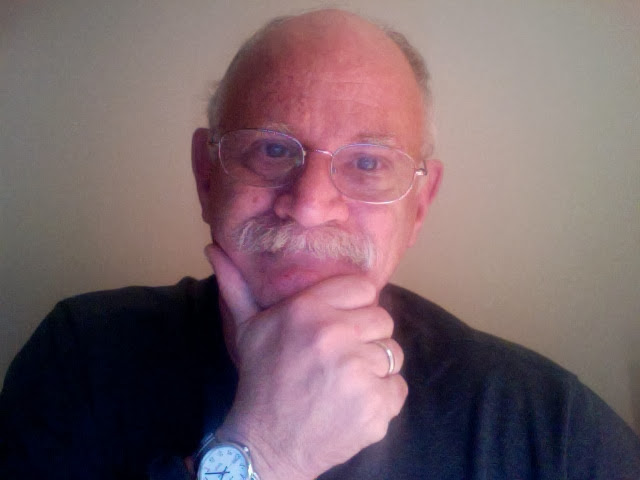
Anthony Teso
Camas