
Browse everything
Every published Clark County Today story. Filter by topic, place or month — the address bar keeps your filters, so any view is easy to share.

VIDEO: How high taxes, regulations are crushing three Washington businesses
Three Washington business leaders say rising taxes and regulations are pushing expansion and relocation out of state.

Greater Vancouver Chamber opens nominations for the 2026 First Citizen Award
The GVC's First Citizen Award has recognized outstanding community leaders in Southwest Washington for 87 years.

Kraken CEO warns that Washington state business leaders are eyeing exits
Kraken CEO Tod Leiweke says Washington businesses are actively discussing relocation out of state.

Record $6M gift brings new Washougal Community Library close to fundraising finish line
A $6M gift from The Endeavour Fund brings the Washougal library project just $400,000 from its $10. 4M goal.

Opinion: UI fund has a government-made leak harming workers and their employers
138 striking workers have collected 642 weeks of UI benefits totaling nearly $506,000 under Washington's new law.
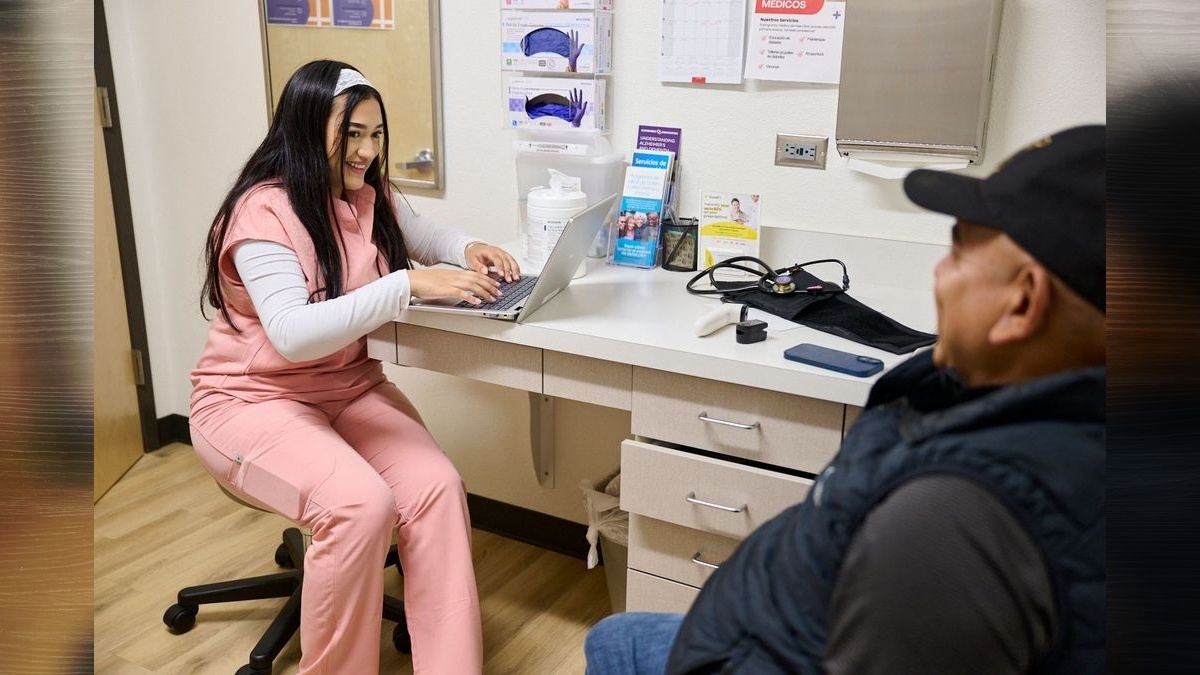
Community Foundation Awards $719,000 to SW Washington nonprofits, opens next funding cycle
$719,000 in Focus Grants reached 15 SW Washington nonprofits serving immigrants, patients, and low-income residents in 2026's first funding cycle.
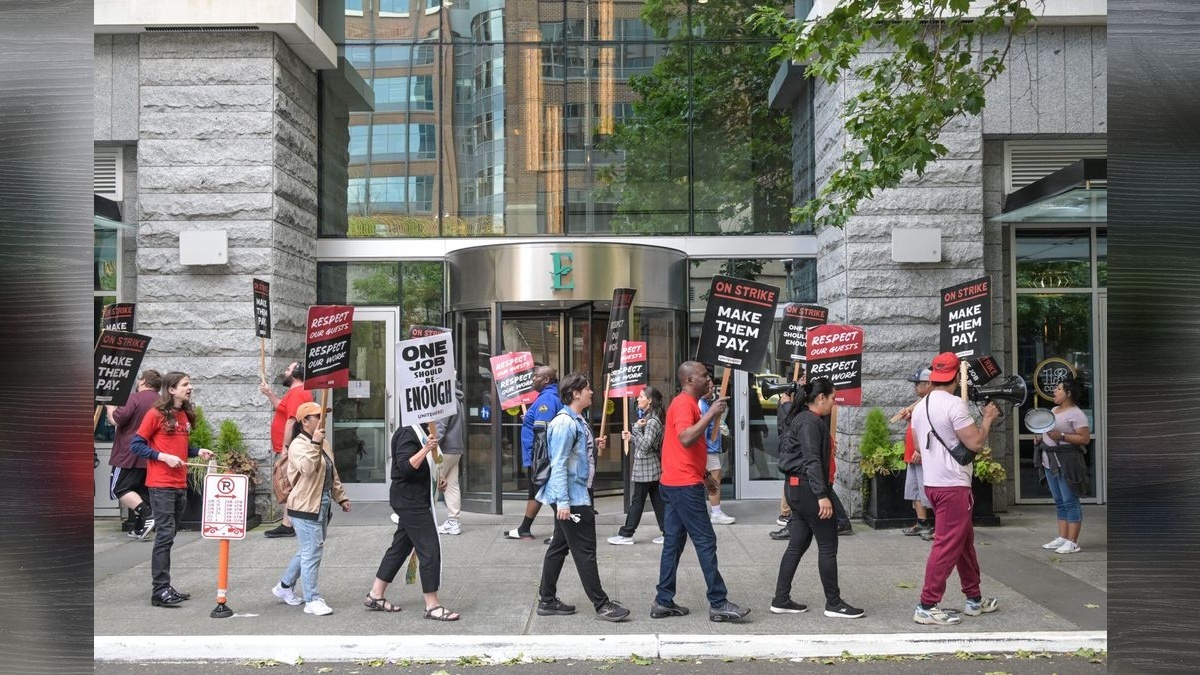
Six months in, WA has paid unemployment to more than 100 striking workers
Washington's Employment Security Department has paid nearly $506,000 to 138 striking workers since January 1.

Opinion: NFIB report shows Washington small businesses are feeling the pinch of labor costs, regulations and high taxes
Washington small businesses rank labor costs as their #2 problem — more than double the national rate.

City of Battle Ground offering 2027 tourism grants
Battle Ground's Lodging Tax Advisory Committee will review proposals before the City Council makes final award decisions in December.

Penalties loom for Washington if state doesn’t improve food stamp error rates
Washington's 6. 98% SNAP error rate triggers a potential $90M cost share under new federal law.
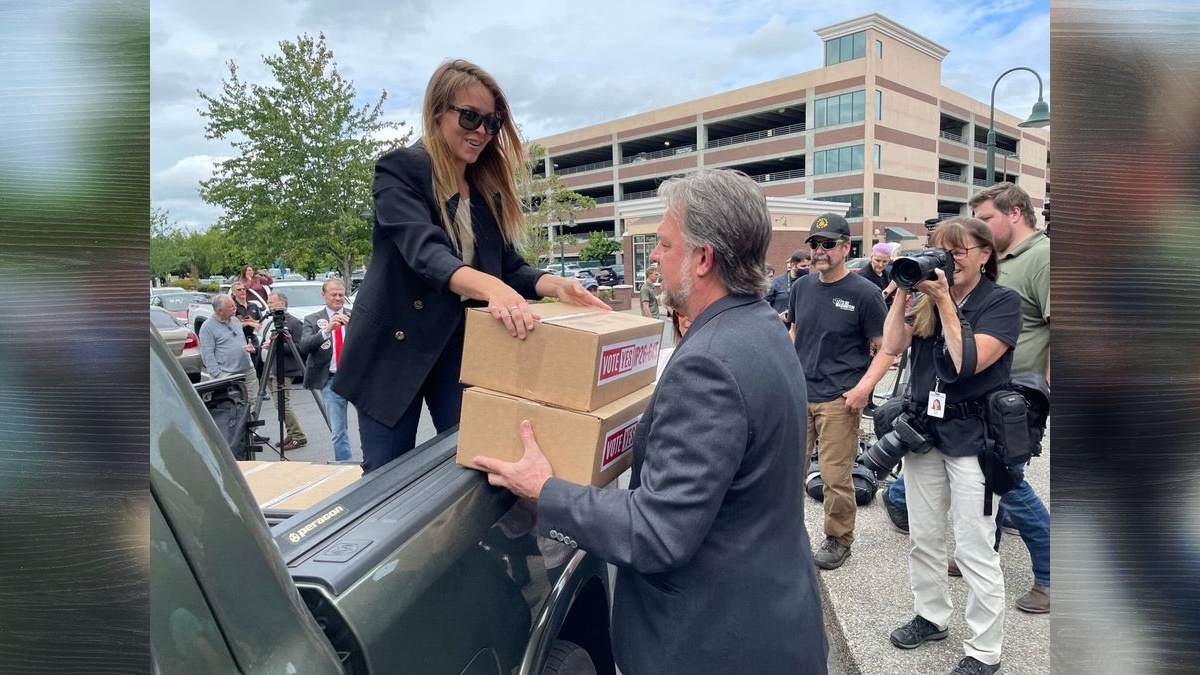
WA income tax foes file signatures to get repeal measure on ballot
Let's Go Washington submitted 511,408 signatures to repeal WA's 9. 9% income tax on earnings above $1 million.
Opinion: Washington's budget outlook darkens with latest revenue forecast
Washington's next budget has only 2. 5% capacity while projected inflation could hit 9. 4% over two years.

County treasurer schedules personal property auction for July 10
Clark County Treasurer Alishia Topper will auction former Shari's Restaurant furniture, fixtures, and equipment on July 10.

Capital gains tax surge eases but doesn’t solve WA budget woes
Washington's $1. 5B capital gains tax windfall nearly erases a projected $878M deficit — but budget writers warn harder times lie ahead.

WA Cares ready-ish to launch; family caregivers remain in the dark
Of 113 early WA Cares applicants, only 44 qualified — and family caregiver guidance funnels toward a union-linked employer.
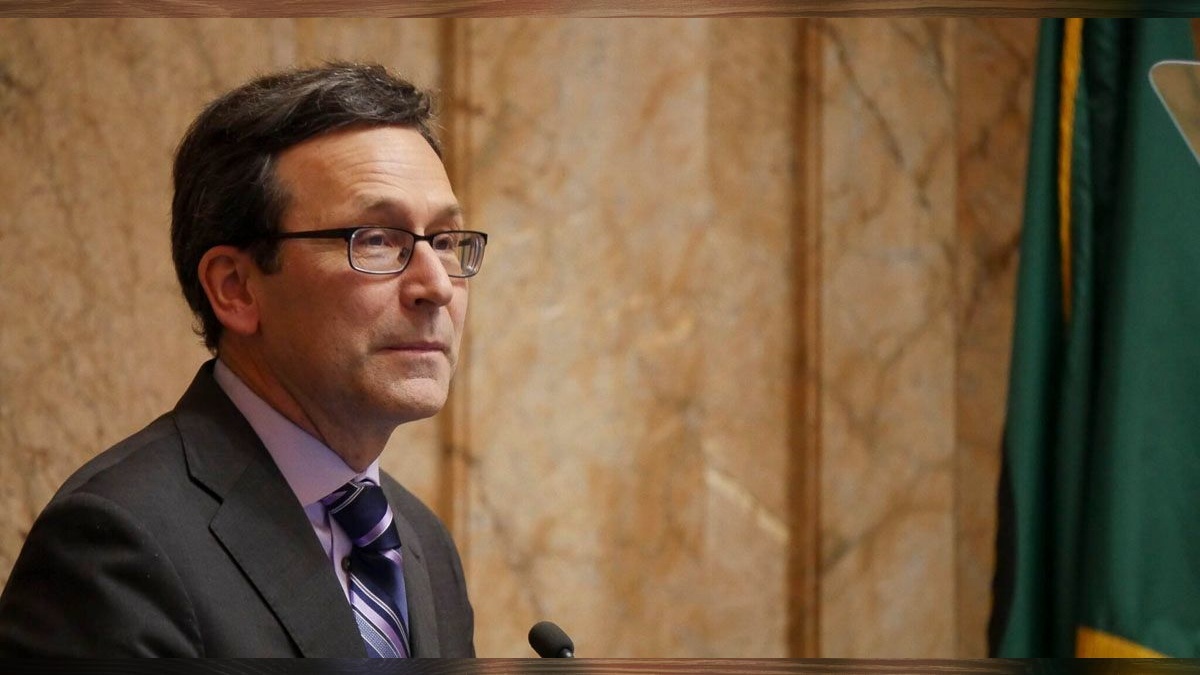
With cracks showing in WA economy, Ferguson forms new council to look for fixes
Just 7% of surveyed Washington businesses rated the state's economy as strong, with nearly half expecting a recession within a year.
Opinion: Don’t blame AI – Why electricity rates are rising in Washington
State climate mandates, not AI or data centers, are the primary force pushing Washington utility bills higher.

Opinion: More employers mean more opportunities for workers
A Washington Policy Center analyst argues that fewer employers directly means fewer choices and less power for workers.