
Skinned knees, bumped heads, and bruised legs – childhood rites of passage, and injuries that parents can take in stride. But dental injuries might have even the calmest parent wondering what to do next.
It happens in a split second and, of course, it’s the one moment you take your eyes off them. Your toddler trips face first, your fifth grader gets elbowed in the mouth in a basketball practice – in an instant there are tears, blood, and wait, where’s their tooth? While dental drama is stressful, knowing how to react in those first crucial minutes can mean the difference between a quick repair and permanent damage.
Baby vs. adult teeth
Before anything else, figure out which type of tooth it was. Baby teeth and permanent adult teeth require completely different first-aid rules.
When a permanent adult tooth is knocked out, every second counts to save it. Conversely, if a baby tooth is knocked out, never try to re-insert it into the socket, this can crush or permanently damage the adult tooth developing directly beneath the gums.
What to do in the moment
Knocked out permanent tooth. Find the tooth immediately. Pick it up only by the white top part (the crown) and never touch the root, as fragile living cells on the root surface are needed for reattachment. If dirty, rinse for 10 seconds in cold milk or saline. Do not scrub it, dry it, or use tap water for prolonged periods. Try to gently slip it back into the socket and have your child bite down softly on a clean tissue to hold it in place. If you can’t re-insert it, submerge the tooth in a cup of cold milk or saline and head immediately to an emergency dental provider. In this case, time is critical and try to get care within 60-90 minutes.
Baby tooth. Keep the tooth out of the mouth. Place a clean piece of damp gauze over the socket and have your child bite down gently to stop any bleeding. Call your dentist for a same-day evaluation to make sure there are no hidden root fragments.
Chipped or broken tooth. If your child has chipped a tooth, figure out if it’s the outer enamel that’s chipped. If it doesn’t hurt or bleed, call your dentist but it’s not an emergency. If you see red or pink in the middle of the broken tooth, it’s possible a sensitive nerve is exposed. Have your child rinse with warm water. Wrap a cold pack in a towel and hold it against their cheek to reduce swelling. Find any broken tooth pieces, drop them in a cup of milk, and bring them along — dentists can often reattach them!
Shifted tooth. Sometimes a hard hit to the mouth doesn't knock a tooth out but shifts it out of place. It’s important not to push it back into place. Head to the dentist. They can take an X-ray to make sure the tooth and the jawbone are okay.
If it’s a hard blow to the chin or face, watch for warning signs: your child cannot open or close their mouth comfortably, their bite feels crooked or "off," or there is severe swelling. If you suspect a jaw injury, keep their jaw still, do not give them food or drink, and head directly to the nearest Emergency Room.
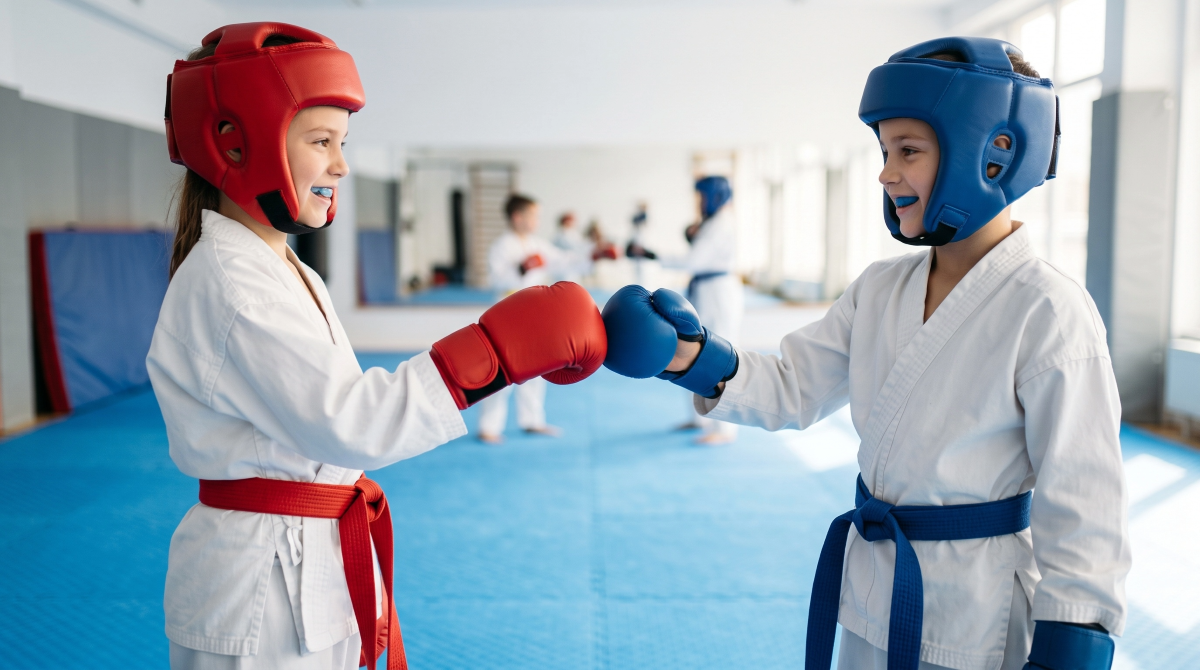
If your child plays sports, invest in a custom mouthguard. Childproof sharp edges at home, and keep a safety gate up around stairs for those active toddlers. Always buckle your toddler into shopping carts and highchairs. Teach kids never to run with popsicles, pens or hard bottles in their mouths.
A little preparation — and a properly fitted mouthguard — can make an unexpected accident much easier to manage.
For more information about childhood dental injuries and how to safeguard your child's smile, visit the Delta Dental of Washington knowledge center.
Dr. Ronald Hsu is a Delta Dental of Washington member dentist and a pediatric dental provider at Storybook Dental in Camas.

Comments
Loading comments…