
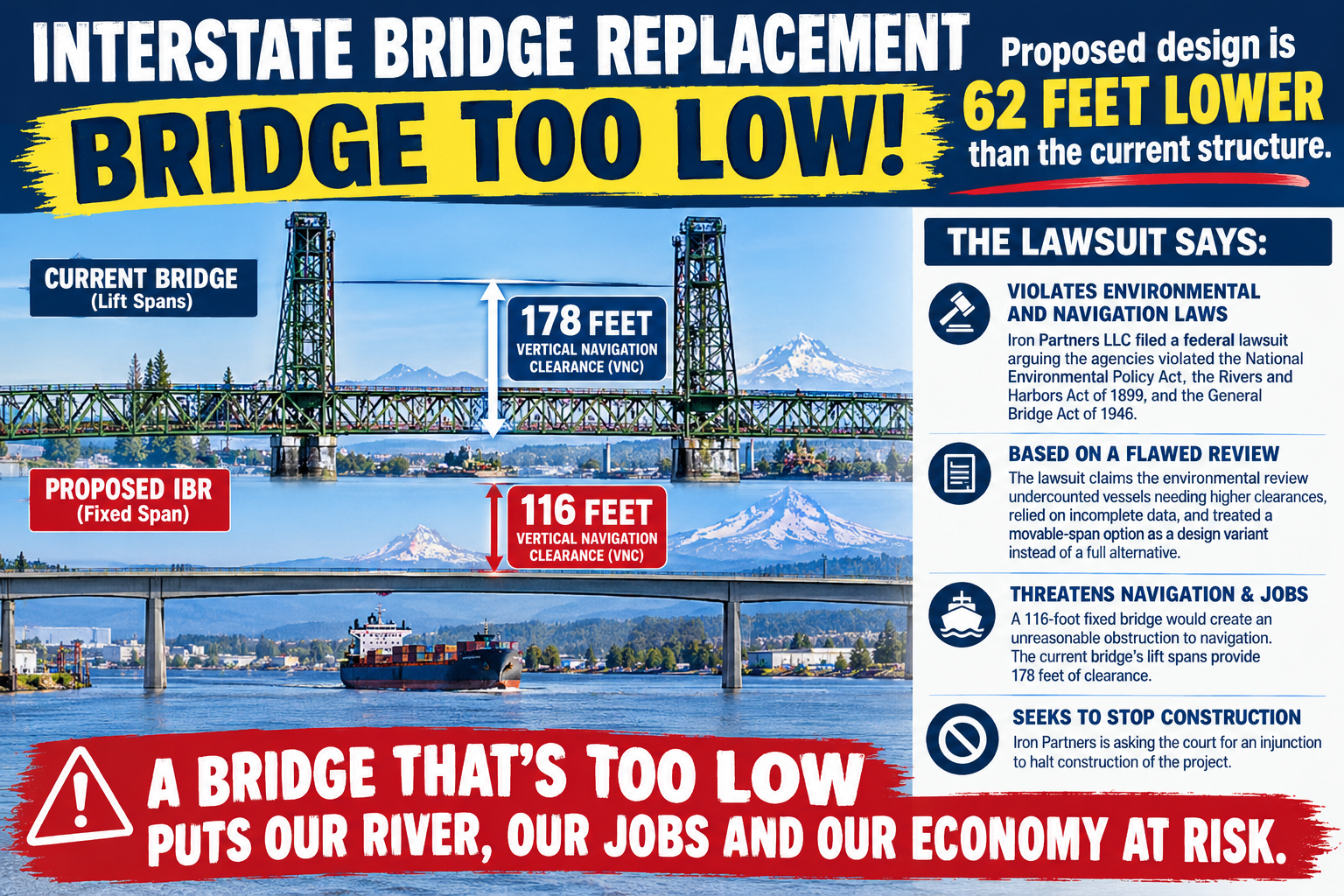
A heavy manufacturer on the Columbia River has filed a federal lawsuit seeking to block the Interstate Bridge Replacement Program’s (IBR) preferred fixed-span design. The argument is that its 116-foot vertical navigation clearance (VNC) would permanently restrict navigation and industrial activity upstream.

Rep. John Ley
Iron Partners LLC contends that the Federal Highway Administration, Federal Transit Administration and related agencies violated environmental and navigation laws by advancing the design based on a flawed Final Supplemental Environmental Impact Statement and Amended Record of Decision. The company is asking a court for an injunction to halt construction of the project.
According to the complaint, the agencies failed to take the “hard look” required under the National Environmental Policy Act at the navigational and economic consequences of the lower clearance. Iron Partners alleges that the environmental review undercounted vessels needing higher clearances, relied on incomplete data in the Navigation Impact Report, and treated a movable-span option as a design variant rather than a full alternative.
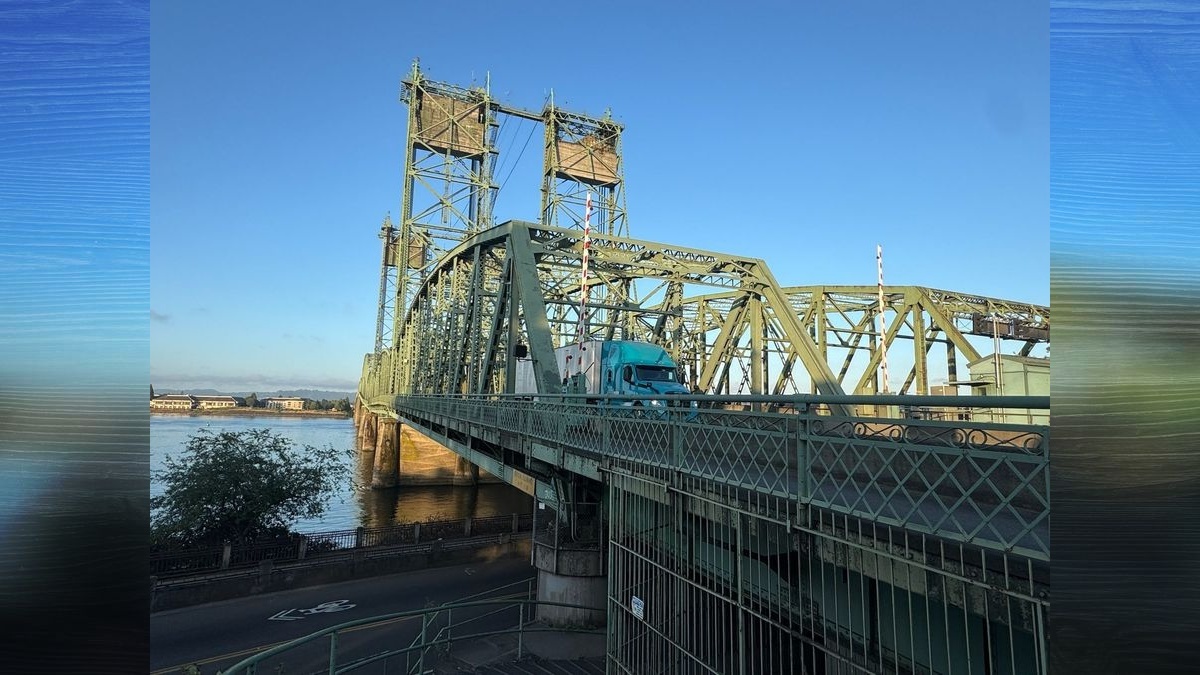
The lawsuit also asserts that a 116-foot fixed bridge would create an unreasonable obstruction to navigation under the Rivers and Harbors Act of 1899 and the General Bridge Act of 1946. The existing Interstate Bridge’s lift spans provide 178 feet of clearance.
Iron Partners owns Building 48 at 3515 SE Columbia Way on Vancouver’s industrial waterfront. The company says it has fabricated large structures for decades — including offshore drilling platforms, bridge components, missile-defense parts and hydroelectric equipment — that required the higher clearance for barge transport.
It describes its facility as the newest and largest fabrication center upstream of the Interstate Bridge. With no alternative navigation route available, the company claims a lower fixed span would eliminate its ability to handle major projects tied to national security, military needs and critical infrastructure.
Earlier in the project’s environmental review, the U.S. Coast Guard’s Preliminary Navigation Clearance Determination required a new bridge providing at least the current 178 feet of vertical clearance and preferred “unlimited” clearance. They identified needed air drafts ranging from 60 feet to 141 feet. The Columbia River Crossing (CRC) specifically identified 11 vessels/users who would be unable to use a 116-foot bridge.
The Coast Guard concluded that a 116-foot design “would create an unreasonable obstruction to navigation for vessels with a VNC greater than 116 feet and in fact would completely obstruct navigation for such vessels for the service life of the bridge which is approximately 100 years or longer.” Unlimited clearance could be achieved with a bascule bridge or a tunnel.
In January 2026, under political pressure, the Coast Guard commander approved the 116-foot clearance, the lawsuit states. Washington and Oregon told the Coast Guard they were prepared to pay $141 million to four businesses directly affected by the lower height because they own or operate vessels that navigate the Columbia River or manufacture products shipped under the Interstate Bridge. Iron Partners was not among them. The agreements allocate $89.99 million to Thompson Metal Fab Inc., $46.9 million to Greenberry, $2.2 million to Advanced American Construction and $2 million to JT Marine.
The Washington State Standard interviewed me in January. “I’m disappointed. The Coast Guard’s job is to protect navigation not only for today but for the future,” said Washington state Rep. John Ley, R-Vancouver, an ardent project foe. With a decision that will lead to less clearance under the bridge, “you are truly restricting marine traffic in a big way.”
The complaint cites the earlier CRC proposal, which also advanced a 116-foot fixed span and was never built. In 2022 the Coast Guard issued a determination finding that clearances equal to or greater than the existing bridges were needed and that 116 feet would create an unreasonable obstruction for roughly a century. The lawsuit alleges the Coast Guard later revised its internal bridge-permit procedures without public comment and issued a new determination approving the lower height, which was then incorporated into the project’s final environmental documents.
The lawsuit also raises safety concerns, noting the Baltimore Francis Scott Key Bridge accident. They cite an “advantage of a movable span option for the IBR is that it will not require relocation of the main channel and will require less maneuvering for vessels passing through the area. It is a maritime truism that increased maneuvering increases collision risk.”
Iron Partners seeks a court declaration that the environmental review and decision documents are unlawful, an order vacating and remanding them, and an injunction blocking demolition or construction until a compliant analysis is completed. The company also requests attorney fees.
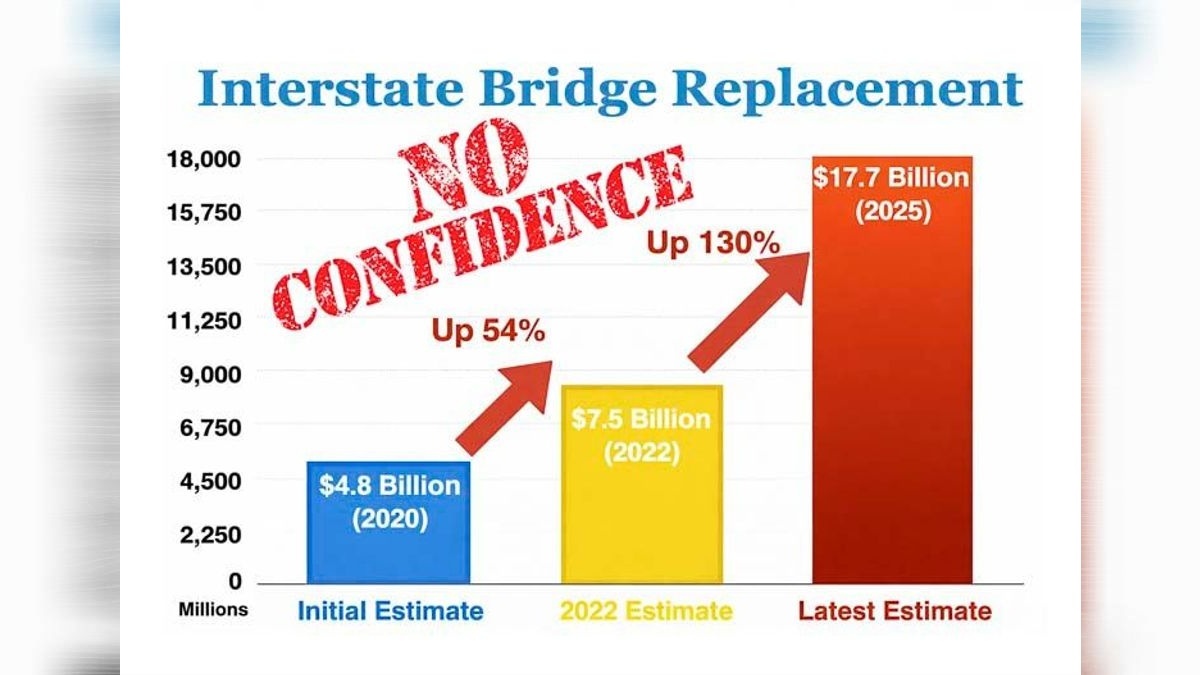
The Interstate Bridge Replacement Program plans to build two new fixed-span bridges and then remove the existing structures. Project officials have maintained that their preferred design balances transportation needs, a $15 billion cost and other factors. The lawsuit frames the reduced clearance as a permanent constraint on river commerce and industrial capacity upstream that federal law requires be protected.
Comments
Loading comments…