

Editor’s note: Opinions expressed in this letter to the editor are those of the author alone and may not reflect the editorial position of ClarkCountyToday.com
Imagine this scenario: A County Councilor is elected by the people and entrusted with the power to decide how taxpayer dollars are spent.
 Anna Miller
Camas
An organization comes before the County seeking public money. Perhaps it is a grant, a contract, or another form of County funding.
Now imagine that the Councilor who has influence over that funding decision also receives a salary from the very organization that stands to receive the money.
That is no longer simply a question about whether the organization does good work or deserves funding. It raises a much more fundamental question:
Can an elected official participate in directing public money toward an organization that provides part of that official's personal income?
The reason conflict-of-interest provisions exist is not merely to prevent outright corruption. They exist to protect the public from circumstances in which an official's private financial interests and public responsibilities collide.
An elected official should never be placed in the position of having to choose between the taxpayers' interests and an organization that helps pay his or her salary.
And if the County's governing Charter or ethics code specifically prohibits that conduct, the issue becomes even more serious. A governing document is not a collection of suggestions. It establishes the rules under which County government operates.
Equally important is the responsibility of the other Councilors.
If fellow Councilors know that a potential conflict exists and simply look the other way, the damage does not stop with one funding decision. Their silence can create a precedent that says the rules will be enforced only when convenient.
Today it may involve one organization and one Councilor. Tomorrow it could involve another Councilor, another organization and considerably more taxpayer money.
That is how safeguards gradually lose their meaning.
The ramifications are significant. Public confidence erodes. Future funding decisions become suspect. Organizations that compete for County dollars may reasonably question whether everyone is playing by the same rules. And taxpayers are left wondering whether decisions are being made solely for the public good or whether private financial interests have entered the equation.
Most importantly, ignoring a clear rule undermines the Charter itself.
The integrity of government does not depend solely upon whether officials agree with one another politically. It depends upon whether they are willing to hold themselves and one another to the same rules they expect everyone else to follow.
Conflict-of-interest provisions protect everyone: the taxpayers, the County, the organizations seeking funding and even the elected officials themselves.
When a legitimate conflict arises, the answer is transparency, disclosure and, when required, recusal.
Looking the other way is not a solution.
Because once elected officials decide that one provision of their governing Charter can be ignored, the public is entitled to ask: Which provision will they decide does not matter next?
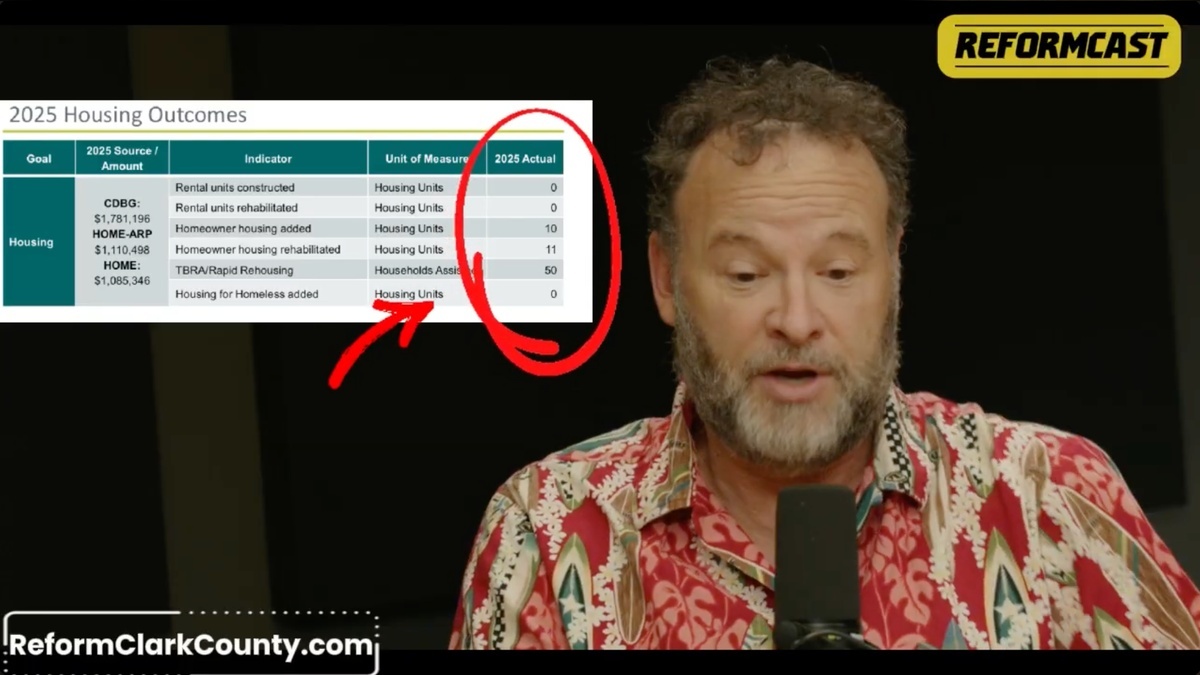
ReformCast video can be viewed here: https://www.facebook.com/share/p/1CnASQ3zSP/
Anna Miller
Camas


Comments
Loading comments…