
Editor’s note: Opinions expressed in this letter to the editor are those of the author alone and may not reflect the editorial position of ClarkCountyToday.com
Anyone who lived through the summer of 2021 in Clark County remembers when the Northwest’s mild reputation broke. During the late-June heat dome, the National Weather Service's reported record for Vancouver, Washington, on June 28, 2021 was 115°F – a temperature this corner of the country was never built to withstand. The heat posed particular dangers to people without adequate cooling, emergency rooms filled, and the Clark County Medical Examiner attributed multiple local deaths to extreme heat. For many families, changing weather patterns ceased being an abstraction.
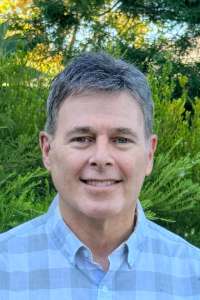
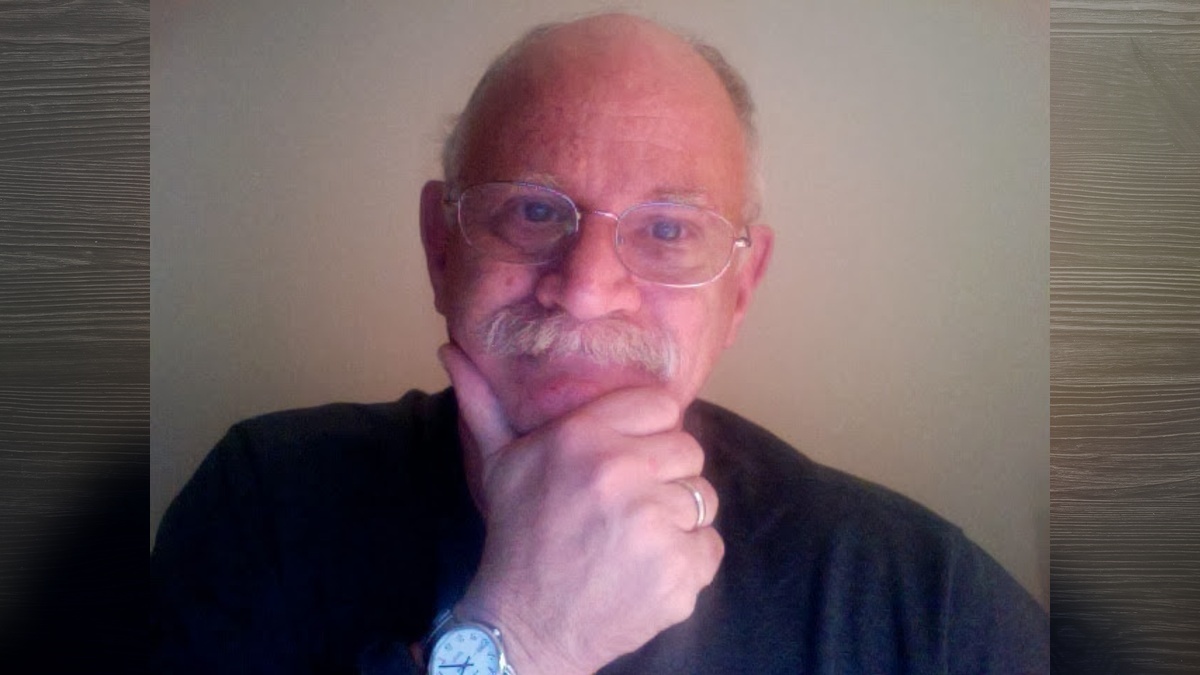
Rob Kahn
That summer was not an isolated event. Wildfire seasons have repeatedly sent dense smoke pouring west through the Columbia River Gorge, blanketing Clark County in unhealthy air and prompting clean-air advisories for the Vancouver area. The 2017 Eagle Creek blaze drove children indoors, endangered residents with respiratory conditions, and canceled outdoor events. More recently, the 2023 Tunnel Five Fire destroyed homes just up the Gorge in Skamania County, a reminder of how close these fires burn to our communities. Beyond health risks, economic impacts are real: lost workdays for outdoor crews, canceled shifts for local businesses, and spiking summer electric bills for households running cooling systems.
For years, national debates have treated energy and climate as an ideological divide. But across Clark County, the outlook and solutions cut across party lines. According to the Yale Program on Climate Change Communication’s 2025 Climate Opinion Maps, two-thirds of adults (66 percent) in Clark County are worried about global warming, and 60 percent want Congress to do more. In a community that splits closely between parties, neighbors understand that protecting community health, homes, and energy reliability is common-sense stewardship.
Clark County has the tools to meet these challenges with pragmatic, forward-looking solutions.
While our region benefits from reliable public power, keeping bills affordable as demand surges requires proactive planning and innovation. In its long-term resource planning, Clark Public Utilities faces the challenge of modernizing generation and reducing reliance on fossil fuels, including its gas-fired River Road plant. Integrating utility-scale battery storage (BESS), expanding distributed clean energy, and boosting popular heat-pump and weatherization rebates can shave peak demand, fortify the grid against outages, and protect household budgets from volatile fuel costs. Investing in these local solutions - alongside county cooling centers during severe heat waves - protects working families and seniors while creating skilled local jobs.
These solutions are especially critical as regional electricity demand surges. Across the Pacific Northwest, large commercial power users are driving up projected energy requirements, and raising a fundamental reliability question: How can the electric grid keep pace with the growth of Clark County while meeting demand and sustainability goals? The practical answer is ratepayer fairness: ensuring new residential and commercial demand is matched with dedicated generation. Managed prudently, growing energy demand can spur affordable, sustainable homegrown generation without inflating household electric bills.
These practical issues belong at the ballot box. As voters evaluate candidates for congressional, state, and local office this fall, energy reliability, affordability, and community health must be front and center. Regardless of party affiliation, voters should ask every candidate:
- How will you protect Clark County families, seniors, and outdoor workers from worsening extreme heat and wildfire smoke?
- What is your concrete plan to expand affordable, homegrown clean energy and keep our electric grid reliable during summer peak demand and fire season?
- As regional electricity demand surges because of expanding residential and large commercial usage, how will you ensure transmission, clean energy production, and battery storage keep pace?
Clark County’s future depends on leaders who treat energy reliability and affordability, and public health as core responsibilities.
Roxanne Graas volunteers as co-lead of the Vancouver, WA Chapter of Citizens’ Climate Lobby. Rob Kahn volunteers as co-lead of the Meteorologist Outreach Team at Citizens’ Climate Education.
Comments
Loading comments…