
As Clark County moves toward adopting its 2025 Comprehensive Plan update, Friends of Clark County is warning that approved urban growth area expansions could threaten the future of local agriculture, reduce access to farmland and weaken the infrastructure needed to sustain the region’s food system.
Ann Foster, president of Friends of Clark County (FOCC), said the county’s decisions to expand urban growth areas around Battle Ground, Ridgefield and La Center reflect a pattern of prioritizing development over agricultural land preservation, despite public testimony urging the Clark County Council to limit outward growth.
“We have been saying for the last three years there is no legal need for Battle Ground for Ridgefield and La Center and Camas for that matter to expand their urban growth boundary,” Foster said in an interview with The Reflector on Thursday, Oct. 8. “We've been pretty loud about that with 55 comments. I think that's what the count is now on record over the last few years.”
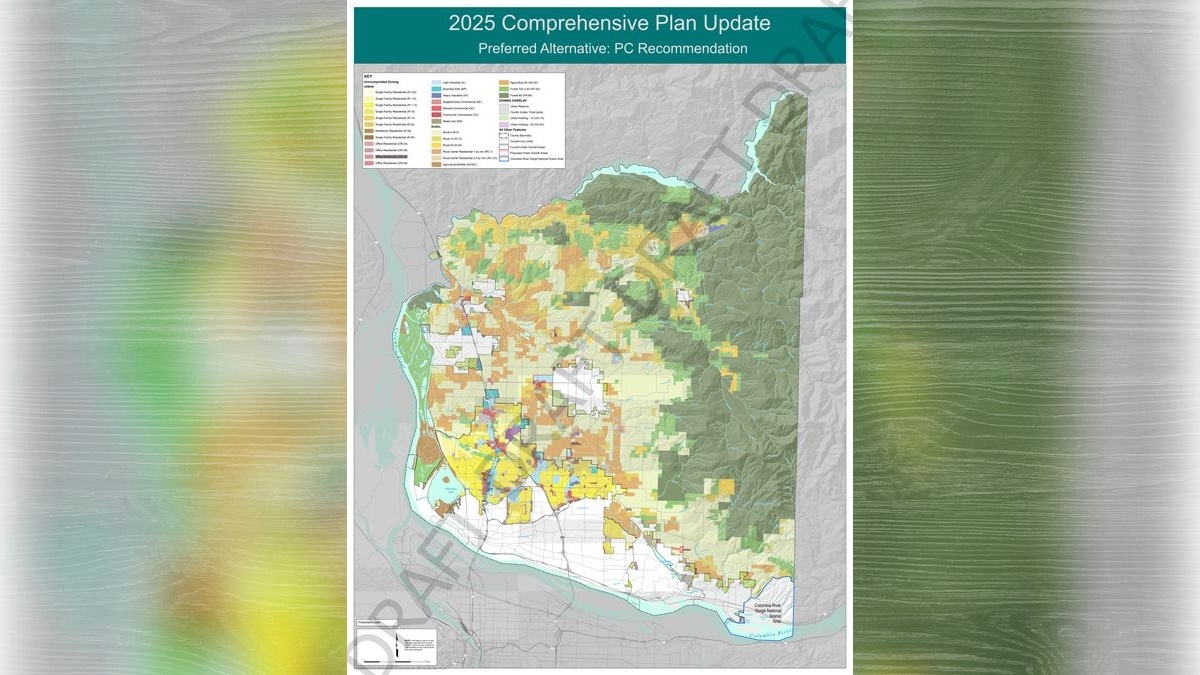
The council approved several contested urban growth area expansions on Oct. 5 after three days of public hearings and deliberations on the comprehensive plan update. The decisions included an expansion toward Dollar’s Corner and a 25-acre expansion north of Battle Ground, an expansion north of Ridgefield and several changes involving La Center’s requested growth areas. The council also approved an urban growth area expansion for Yacolt.
The decisions came despite residents repeatedly asking councilors to accommodate future growth within existing urban areas rather than convert agricultural land for development.
Foster said the direction of the council’s deliberations had become apparent well before the final votes, however.
“You know, the various meetings, the various conversations, the various discussions that the council has had over the last six months or so have indicated that the majority is siding with the cities and they're not changing their minds,” she said.
FOCC’s tally of public testimony during the process found that 35 people spoke against urban growth area expansions and in favor of protecting agricultural land, compared with 14 who spoke in support of expansions. The organization noted that only four of the 14 expansion supporters were not developers, builders, property owners or their attorneys, Foster added.
Nine people spoke in support of affordable housing, six of whom discussed mobile home parks, while 11 spoke on miscellaneous topics, Foster added in an email.
FOCC characterized the testimony as showing a definite majority of speakers opposed to the direction reflected in the council majority’s vote. The figures represent the organization’s assessment of public testimony.
City officials and some property owners argued that targeted expansions were necessary to meet future housing and employment needs. Ridgefield City Manager Steve Stewart said the city had increased housing density within its existing urban area but still needed additional land to meet housing and employment capacity requirements. La Center officials similarly pointed to transportation infrastructure and opportunities for commercial and industrial development.
Foster said FOCC’s concerns extend beyond the amount of land being converted. The organization also questions whether the proposed changes comply with state growth management requirements.
“That in itself is a problem. Annexing land that doesn't need to be annexed,” Foster said, “but the second part of that is that the land that they want to bring into their urban growth boundaries is currently designated as agriculture. And that is in violation of the Growth Management Act.”
During the Oct. 5 deliberations, Council Chair Sue Marshall also raised concerns that some of the approved changes could expose the county to litigation under the state’s Growth Management Act.
Agricultural land and the cost of growth
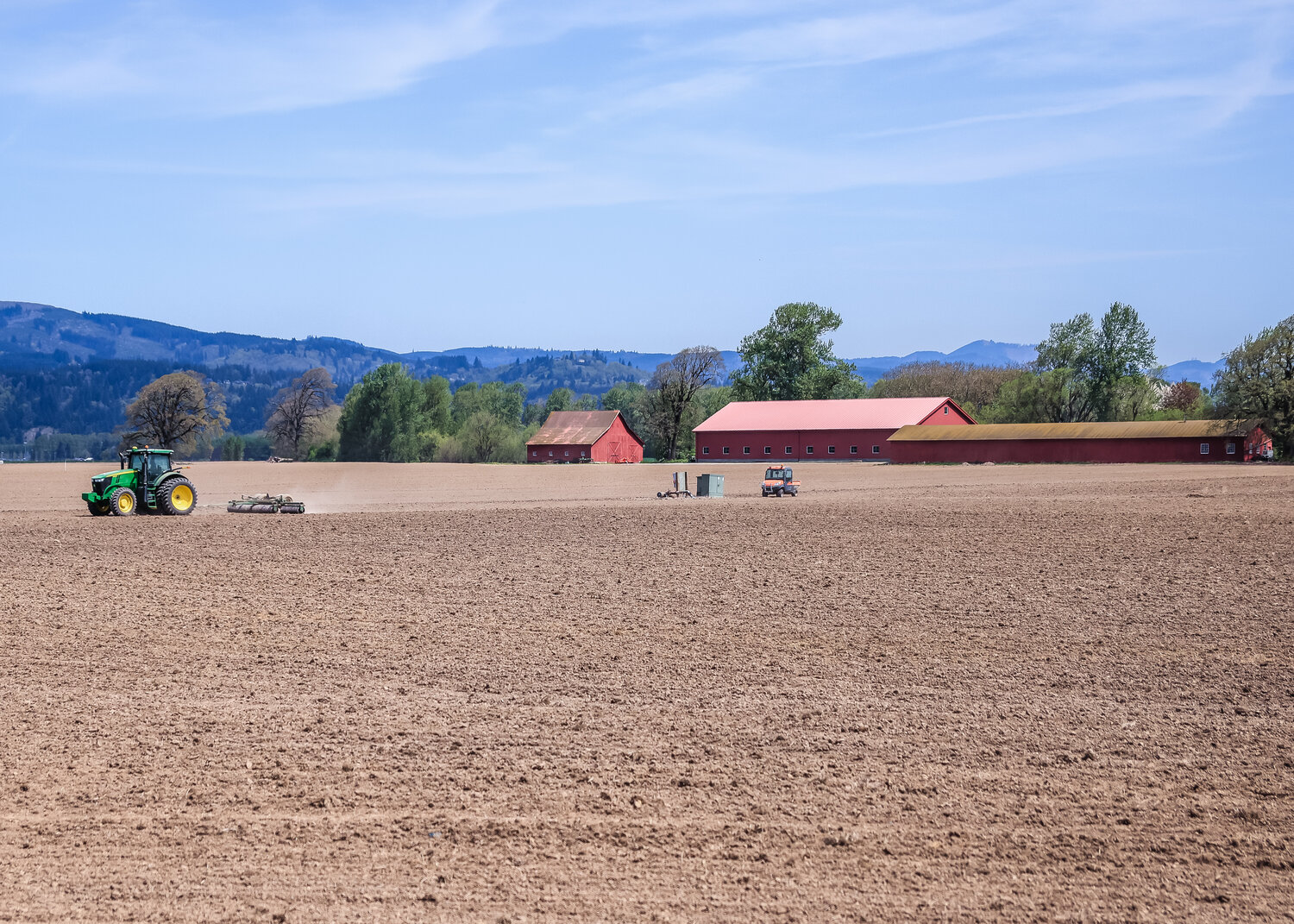
Foster said continued urbanization can make farming more difficult even when agricultural parcels are not directly developed. Construction dust, debris, rising property values and the proximity of expanding urban areas can affect farming operations and make it harder for agricultural businesses to remain profitable.
“The proximity of sprawl and of the urban population will continue to soil the soils, as you will, and it just limits the ability for a farmer to be successful,” she said.
Foster pointed to a small farm near Northeast 29th Ave. and 179th St. as an example. She said construction-related debris, dust and other impacts had affected two garlic fields, with the farmers estimating that restoring the soil to working condition would take three years.
She also said the conversion of agricultural land has consequences for the county’s long-term food supply and its ability to respond to climate-related challenges.
“Once it is covered with concrete and asphalt, it is never usable for the purpose of supplying food,” she said. “Which may become more and more important going into the future.”
Agricultural land and open space also play a role in climate resilience, she said, while the loss of farmland can drive prices beyond what small farmers and established agricultural businesses can afford.
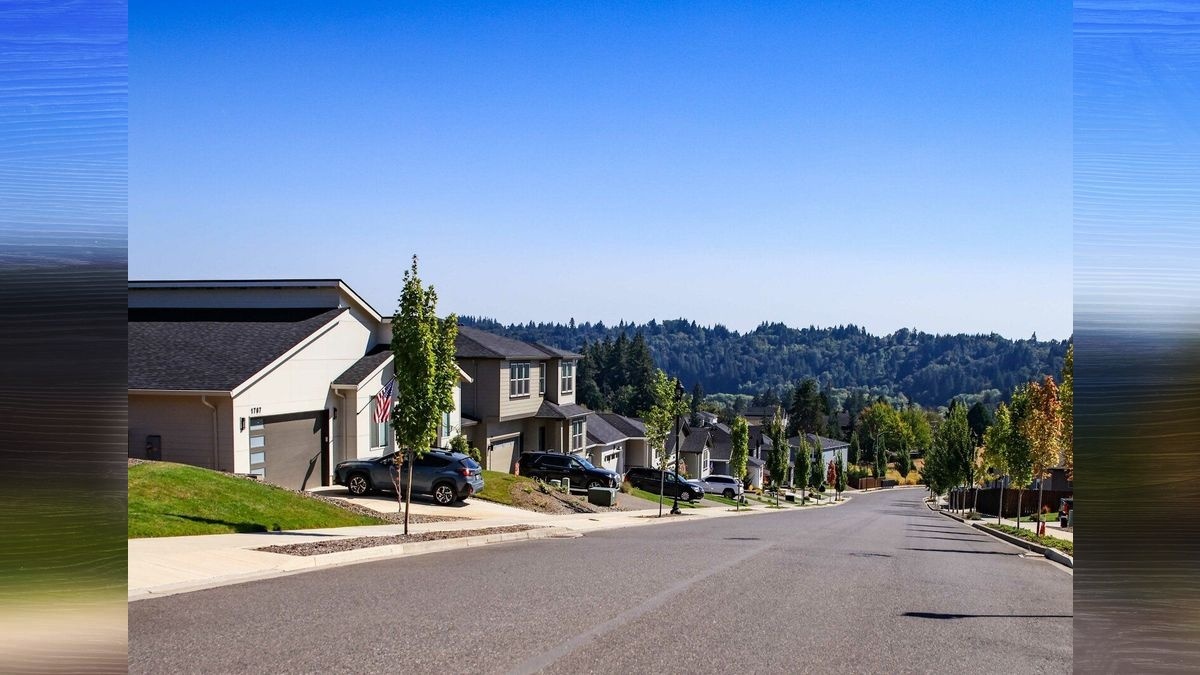
Foster said she believes housing needs can be addressed without relying as heavily on outward expansion. She pointed to higher-density housing in appropriate locations as one way to accommodate population growth while preserving rural land in future years.
“I also think that the development industry will rest upon their ability to be creative and meet the needs of an exploding population by building multi-density housing in the right places,” she said.
Supporting agriculture as an industry
Foster said protecting agricultural land is only one part of maintaining a viable farming economy. The county and surrounding region also need infrastructure that helps farmers store, distribute and sell their products.
She identified cold storage facilities, farm equipment repair services, distribution channels and open-market stores as examples of resources that support agricultural businesses. Foster said many of those resources have disappeared over the past two or three decades in Southwest Washington.
“I don't think we do enough to support as a community what farmers do and the value they provide; and the benefits to the community,” she said.
Foster said she believes the region can preserve a commercially viable agricultural industry but must do more to support it.
“I think it's salvageable,” she said of the ag industry, particularly in Clark County.
The issue also extends beyond individual farms and local economies, Foster said. A stronger regional food system could help communities respond to major transportation disruptions, including if a catastrophic incident were to affect Interstate 5, especially the Interstate Bridge connecting Washington and Oregon.
“It's what happens when the I-5 bridge collapses. That's the bulk of it. What do we do then?” she said.
Foster plans to resign as FOCC president effective Nov. 1 to devote more time to agricultural land and the food system, with an emphasis on the broader region and state. She said her goal is to encourage the infrastructure and support needed to keep agriculture economically viable.
Her departure comes as the county continues its comprehensive plan process. The Oct. 5 votes did not constitute final adoption of the entire plan. The council scheduled consideration of the adopting ordinance for Oct. 13, after press time.
“This step that the cities just took in demanding the use of ag land for sprawl purposes is a slap in the face,” Foster said.
This report was first published by The Reflector Newspaper. Reporter Cade Barker can be reached at [email protected].
Comments
Loading comments…