
Editor’s note: Opinions expressed in this letter to the editor are those of the author alone and may not reflect the editorial position of ClarkCountyToday.com
Elizabeth New's column on unemployment benefits for striking workers refutes itself. She reports that 138 striking workers have received benefits since January, against 61,142 Washingtonians who received unemployment benefits in June alone. She concedes the fiscal impact is "relatively small." She concedes that strike claims "are not driving" the projected trust fund shortfall. Having conceded the numbers, she retreats to principle. The principle does not survive inspection either.
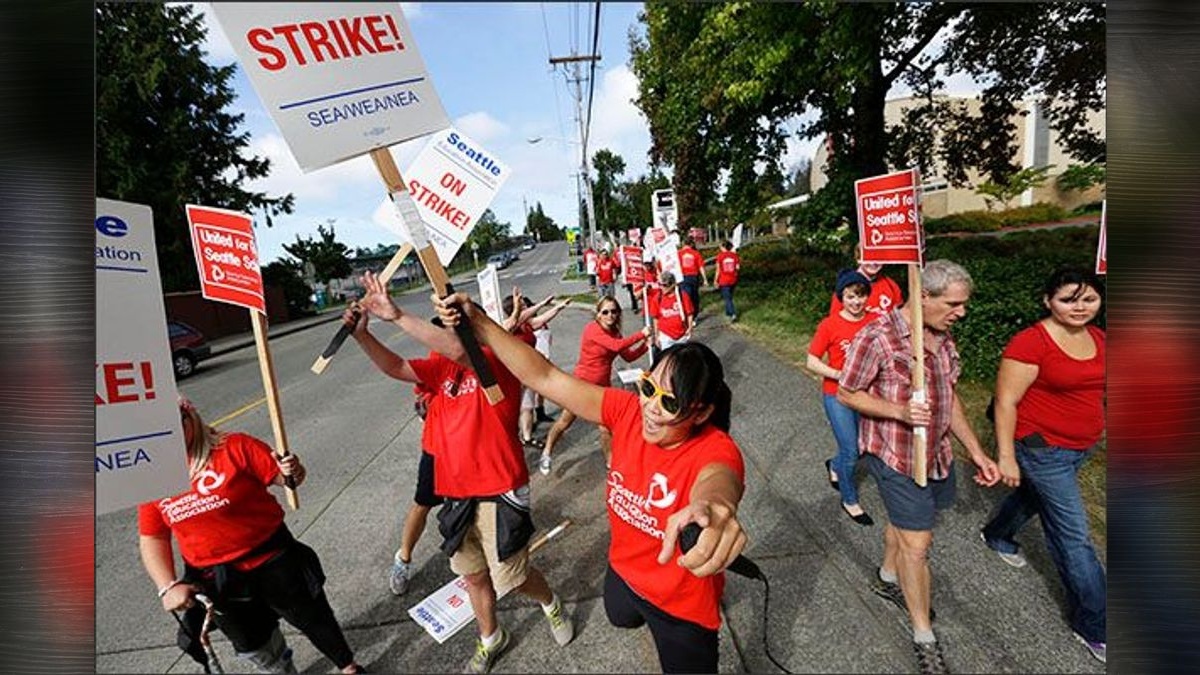
New argues the unemployment system exists for workers who lose work "through no fault of their own" and that strikers "voluntarily stop working." This treats a strike as a lifestyle choice. It is not. A strike is the withdrawal of labor in a dispute the employer co-produces at the bargaining table. The hotel workers are not unemployed because they prefer leisure to wages. They are locked out of income because their employer has declined to sign a contract they can live on. New York and New Jersey have extended benefits to strikers for years. Neither state's economy collapsed.
New quotes a Seattle bartender as saying that benefits "allow people to go on strike for longer" to win the contracts they want and presents this as an admission of guilt. It is a description of the law working as intended. Employers can outlast a strike on accumulated revenue and credit. Workers outlast it by using their savings, which eventually run out. The old arrangement did not keep the state neutral in labor disputes. It put a thumb on the balance, tilting it toward the employer, who at that time always favored the party with capital. Senate Bill 5041 removes part of that thumb.
Finally, New links the new benefits to a problem with the solvency of the trust fund she admits they did not cause. That is guilt by adjacency. If the fund needs shoring up, the Legislature can address the actual drivers. What it should not do is accept the Washington Policy Center's premise that the unemployment fund is employer property. Payroll-side taxes are part of workers' total compensation, deferred and pooled. The fund is a social wage. Workers drawing on it during a strike are drawing on their own money.
Anthony P. Teso
Washougal