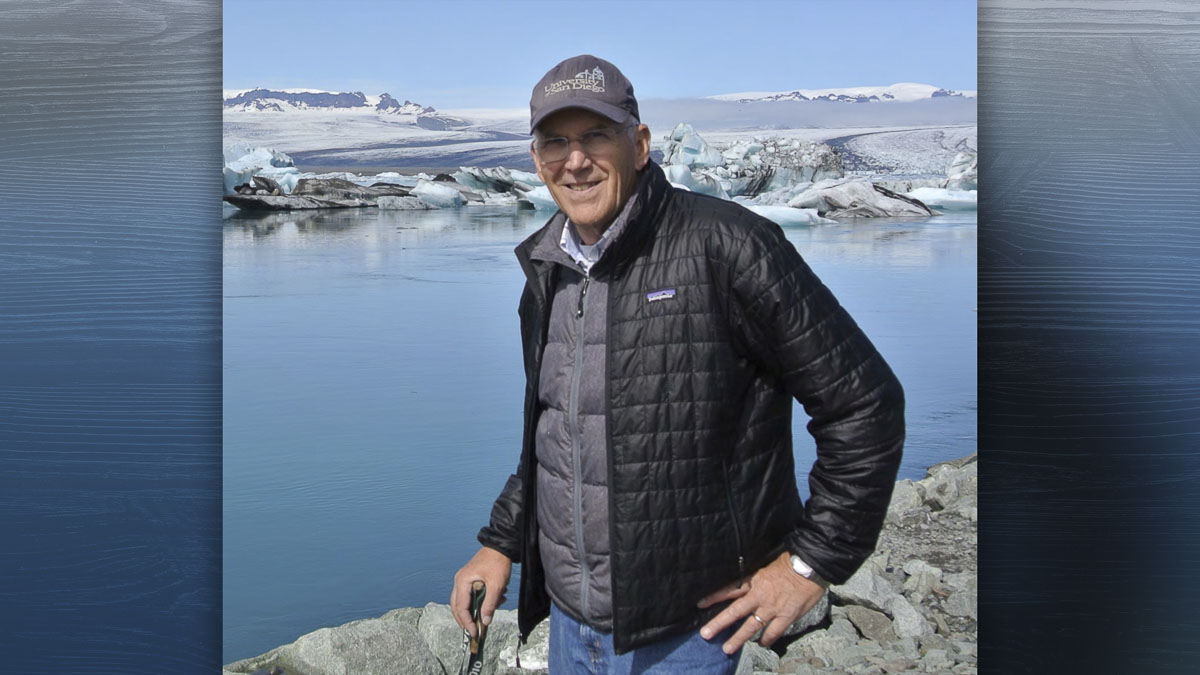
Video courtesy KOIN TV
Bob Ortblad asks area residents to imagine the noise and toxic pollution of 130,000 cars and 14,000 trucks will rain down on Vancouver’s future Public Market
Editor’s note: Opinions expressed in this letter to the editor are those of the author alone and may not reflect the editorial position of ClarkCountyToday.com
When asked on KOIN News about the impact of the Interstate Bridge Replacement Program (IBR) on the Port of Vancouver’s Terminal 1, Administrator Greg Johnson vainly spins IBR’s massive bridge approaches.
“We think that it’s going to be tremendously complimentary,” Johnson stated.
Imagine the noise and toxic pollution of 130,000 cars and 14,000 trucks will rain down on Vancouver’s future Public Market!
The IBR continues to hide the devastation its bridge approaches will inflict on Vancouver and Hayden Island. The IBR has never presented realistic graphics or scale models of these approaches.
The IBR fraudulently disqualified an immersed tunnel alternative that would protect Vancouver, Hayden Island, and Fort Vancouver. An immersed tunnel will also enable the construction of a quiet and clean Vancouver Public Market.
Bob Ortblad MSCE, MBA
Seattle
- Goodbye, bumpy ride on I-5 in Vancouver
 Three coordinated WSDOT projects will improve more than 6 miles of I-5 in Clark County, backed by a $25 million investment.
 - Nighttime work on I-5 between Ridgefield and Woodland will replace damaged concrete panels Sept. 14-19
 Granite Construction will close right and center lanes nightly on I-5 between mileposts 9.5 and 21.5 through Sept. 19.
 - County seeks volunteers to serve on the Bicycle and Pedestrian Advisory Committee
 Clark County seeks two volunteers, including one youth member, for its Bicycle and Pedestrian Advisory Committee; deadline is Oct. 11, 2026.
 - Washington Rep. John Ley warns ballooning bridge budget needs reality check
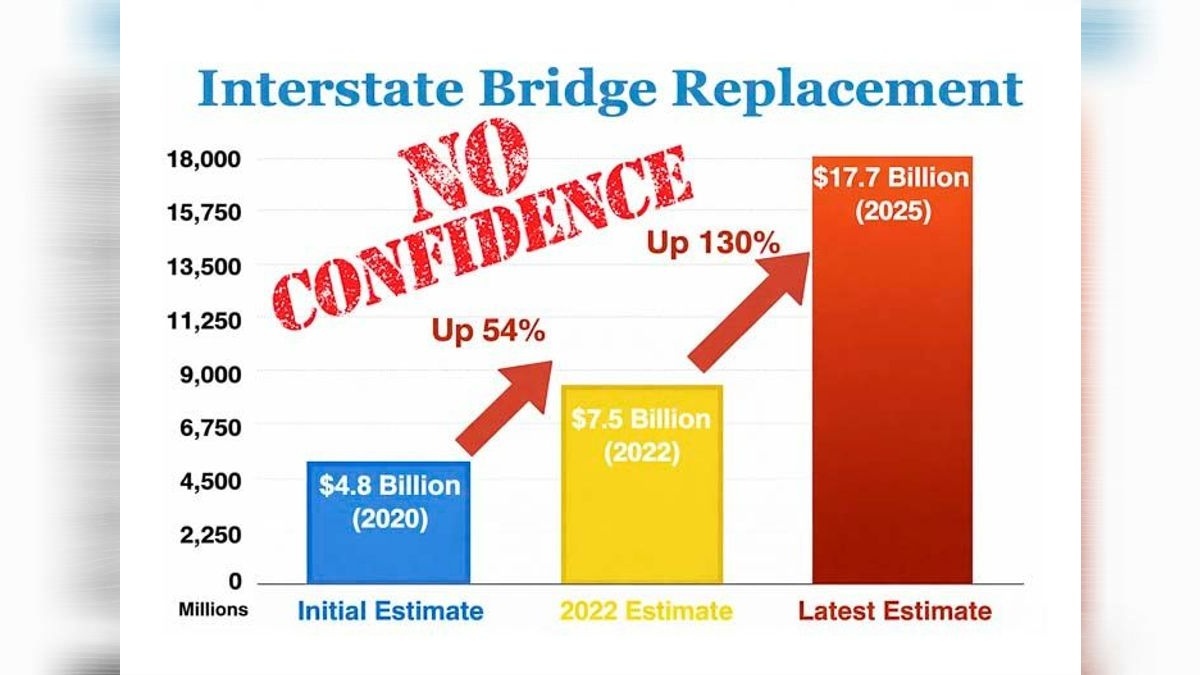
 Rep. John Ley says the IBR ballooned from a $44M contract to a $13B–$15B project, with phase one still $2.2B short.
 - POLL: The IBR project is described as only 30% designed and 30% funded after more than six years of work. How confident are you in the current management of the IBR program?
 IBR’s cost has climbed from $3.2–$4.8B to $15.2B while the project remains 30% designed and 30% funded.