
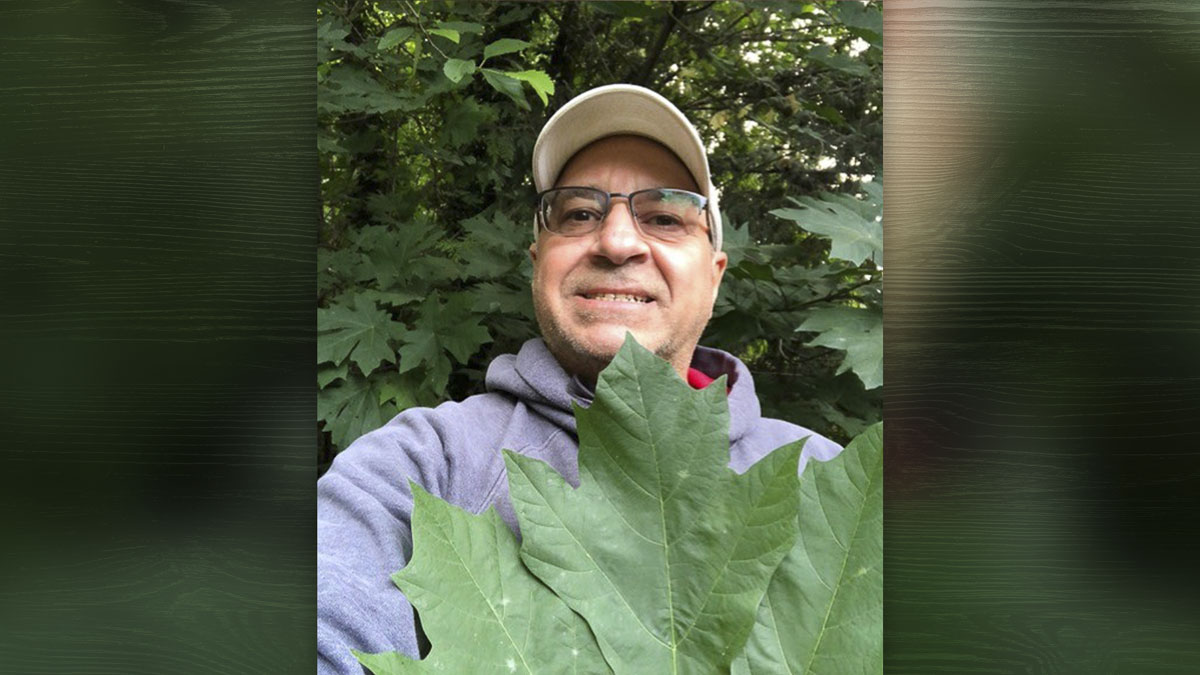
Vancouver resident Peter Bracchi shares a story he hopes will encourages others—whether families, neighborhoods, or civic groups — to create spaces where shared experience is honored above division
Editor’s note: Opinions expressed in this letter to the editor are those of the author alone and may not reflect the editorial position of ClarkCountyToday.com
Earlier this month, classmates from the Washburn Class of 1975 gathered for a 50th reunion in Minneapolis, Minnesota. For us, it was more than just a social gathering—it became a living reminder of the bonds that can transcend decades, politics, and the many divisions that dominate today’s headlines.
When we walked across the stage in 1975, the world felt both wide open and uncertain. Since then, classmates have gone on to build families, careers, and communities across the country. Yet no matter how far we traveled, that shared moment in time remained a common anchor.
Reunions are often dismissed as nostalgic indulgences, but they serve a much deeper purpose. They are one of the few spaces left in American life where people gather not because they think alike, worship alike, or vote alike — but because they share a common story. A reunion is an alliance that exists outside of race, religion, politics, or belief systems. In an age when we are constantly reminded of our differences, the simple act of coming together to reminisce, laugh, and honor our shared history becomes a radical act of unity.
At the gathering, there were classmates who had lived very different lives—teachers and entrepreneurs, artists and engineers, parents and grandparents, people of every political leaning and personal journey. Yet when we sat down to share a meal or dance to the music that once filled our high school gym, those differences faded into the background. What came forward was the recognition that we still belonged to the same story.
And that is something our society desperately needs right now: occasions that celebrate common ground. A reunion is not just a mirror of the past — it is also a model for the future. If we could come together after 50 years and rediscover the bonds of friendship and community, perhaps our cities, counties, and nation can, too.
It is easy to believe that unity is no longer possible — that our divisions are too deep. But at a reunion, one sees a different picture. We saw classmates who once disagreed bitterly now embracing as old friends. We saw people who had faced personal loss being supported by those who shared a classroom decades ago. We saw laughter, forgiveness, and gratitude.
In a time when our national conversations are so often about what separates us, reunions teach us how to celebrate what we share. They remind us that we can live together as one society — not by erasing our differences, but by placing them in the broader context of human connection.
Our story is just one small example, but I hope it encourages others—whether families, neighborhoods, or civic groups — to create spaces where shared experience is honored above division. Our society cannot survive on grievances alone. It must also thrive on memory, community, and the belief that even after years apart, we still belong to one another.
Peter Bracchi
Vancouver

- Opinion: Why lawmakers are going after your pension
 Ryan Frost argues lawmakers included public pensions in the income tax law in preparation for lowering the $1 million deduction.
 - Opinion: Washington has an income tax – why won’t the media call it one?
 Cargill argues the media is using supporters’ preferred label “millionaires tax” instead of the legally accurate term “income tax.”
 - POLL: How do you think higher impact fees for school districts affect housing affordability in Clark County?
 Clark County Council raised impact fees for La Center, Hockinson, and Woodland school districts, drawing pushback from the Building Industry Association.
 - Opinion: Impaired walking vs. impaired driving; pick neither
 Doug Dahl argues impaired driving remains deadlier than walking impaired when measured by exposure time, not miles traveled.
 - Opinion: When the same money helps fund the program and the story
 Peter Bracchi examines how the Ed and Dollie Lynch Fund supports Vancouver’s HART program, the Bridge Shelter, and Community Funded Journalism covering the same policy arena.