
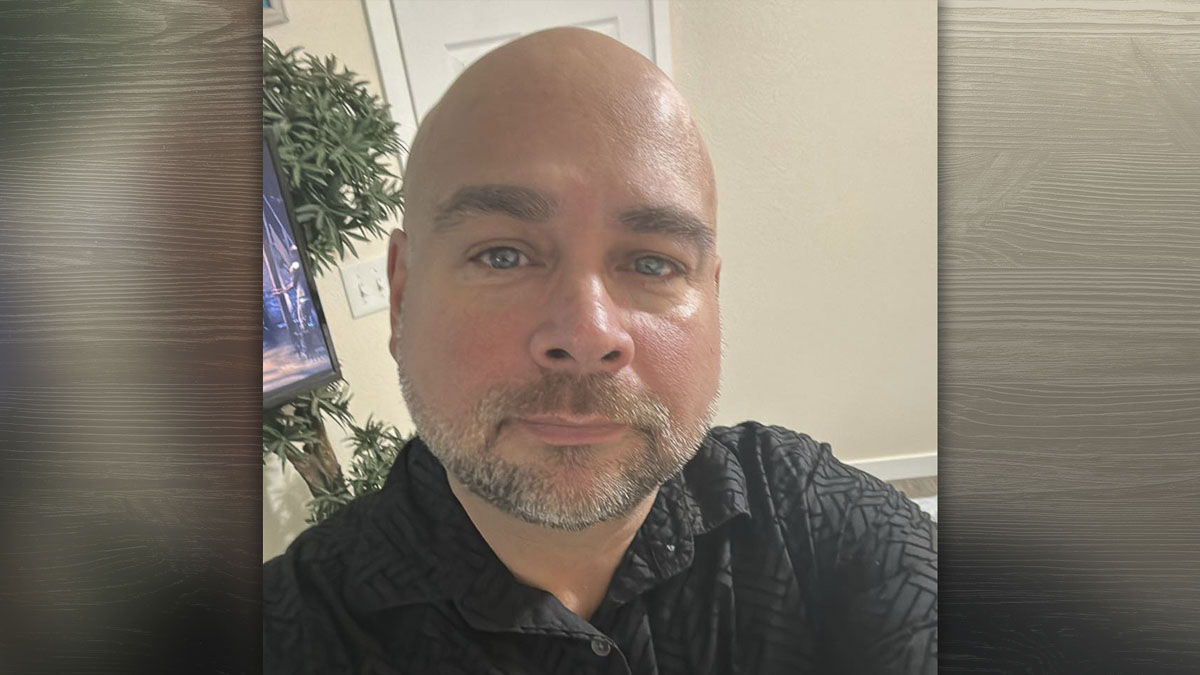
Vancouver resident John Ford says leaders and media outlets must stop laundering dehumanizing metaphors as “tough talk’’
Editor’s note: Opinions expressed in this letter to the editor are those of the author alone and may not reflect the editorial position of ClarkCountyToday.com
America’s immigration system is in crisis, but a second crisis is unfolding in public: “digital deportation squads.” As Maria Garcia (2023) reports, social media users post videos of people they assume are undocumented — often alongside ICE hotline numbers — urging followers to “report them.” This is not random trolling; it is the downstream effect of decades of dehumanizing narratives that portray migrants as a “flood” or an “invasion” (Santa Ana, 2002), making intimidation feel like civic duty.

Platforms then accelerate the harm. Engagement-driven algorithms reward fear and outrage, pushing sensational confrontation clips over nuanced policy analysis (Fisher & Taub, 2019) and stitching angry viewers into echo chambers where harassment is socially rewarded. The result is real-world damage: families fear public spaces, false reports waste resources, and the policy conversation collapses into racialized spectacle.
Deleting posts is insufficient. Leaders and media outlets must stop laundering dehumanizing metaphors as “tough talk,” and journalists should treat “invasion” rhetoric as a public-safety risk, not a headline hook. If we want workable immigration reform, we must first restore basic human dignity to the debate.
John Ford
Vancouver

- Opinion: Why lawmakers are going after your pension
 Ryan Frost argues lawmakers included public pensions in the income tax law in preparation for lowering the $1 million deduction.
 - Opinion: Washington has an income tax – why won’t the media call it one?
 Cargill argues the media is using supporters’ preferred label “millionaires tax” instead of the legally accurate term “income tax.”
 - POLL: How do you think higher impact fees for school districts affect housing affordability in Clark County?
 Clark County Council raised impact fees for La Center, Hockinson, and Woodland school districts, drawing pushback from the Building Industry Association.
 - Opinion: Impaired walking vs. impaired driving; pick neither
 Doug Dahl argues impaired driving remains deadlier than walking impaired when measured by exposure time, not miles traveled.
 - Opinion: When the same money helps fund the program and the story
 Peter Bracchi examines how the Ed and Dollie Lynch Fund supports Vancouver’s HART program, the Bridge Shelter, and Community Funded Journalism covering the same policy arena.