Legislation would support construction and infrastructure by easing restrictions on aggregate and asphalt materials
 See Grok’s analysis of this story
Rep. John Ley’s bill to modernize Washington’s regulations governing the use of naturally occurring fibrous silicate materials in construction received unanimous approval in the House Environment and Energy Committee on Monday.
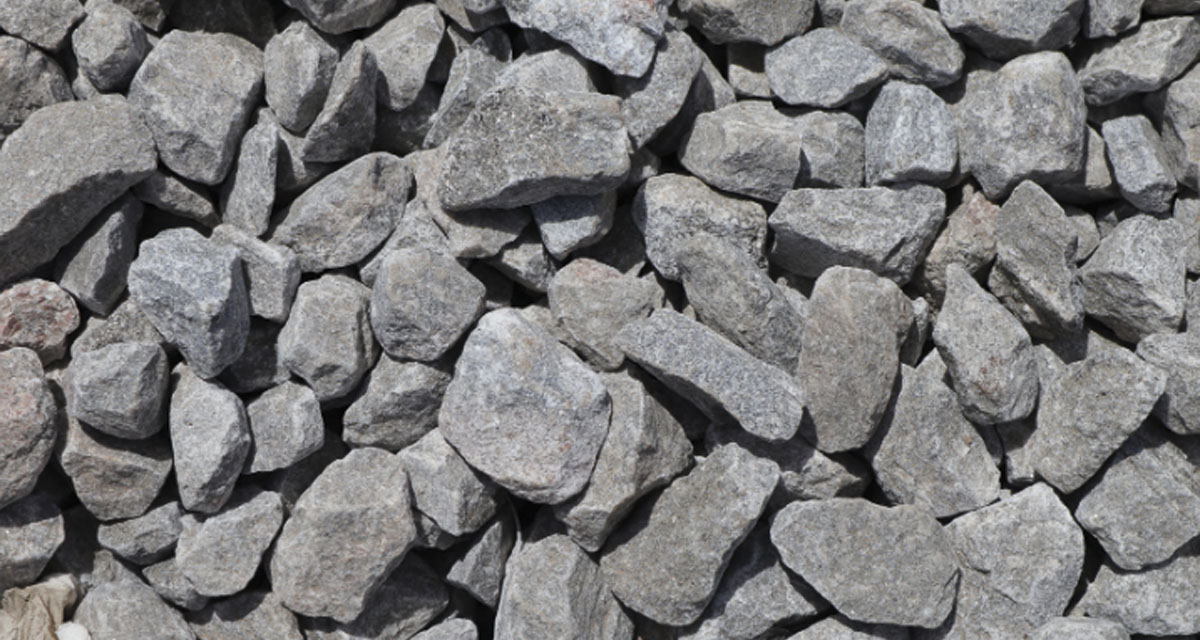
House Bill 2605 addresses naturally occurring fibrous silicate materials found in common construction products such as commercial aggregates, asphalt, and concrete. These materials are widely used in roads, housing, and public works projects across Washington.

“Washington’s current asbestos laws were written to stop the intentional use of asbestos in building materials – and that’s an important protection,” said Ley, R-Vancouver. “But they were never meant to penalize materials that contain extremely small, naturally occurring trace amounts that pose minimal risk and are impossible to completely eliminate.”
Under current law, construction materials with even trace levels of naturally occurring asbestos can be subject to strict labeling, inspection, and use restrictions. HB 2605 would exempt commercial aggregates, asphalt, and concrete that contain 0.25 percent or less of naturally occurring fibrous silicate material from being classified as asbestos-containing building materials under state law.
“This bill would make building new homes, apartments, roads and sidewalks more affordable,” Ley said. “It would also be good for the environment as it allows for locally produced aggregates to be used in construction, instead of them being shipped from much longer distances.”
The bill does not allow the intentional addition of asbestos and does NOT roll back workplace safety protections enforced by the Department of Labor and Industries. Instead, it would provide clear, consistent standards that distinguish between hazardous asbestos products and low-risk, essential construction materials.
“This is about common sense,” Ley said. “We can protect workers and the public while also ensuring our infrastructure projects aren’t delayed by unnecessary red tape or regulatory uncertainty.”
If passed, the bill would help control construction costs, improve supply chain reliability, and reduce compliance burdens for Washington-based manufacturers and suppliers, particularly small and mid-sized businesses.
“From roads and bridges to homes and schools, aggregates and concrete are the backbone of our construction environment,” Ley added. “This bill would keep those projects moving while maintaining strong health and safety safeguards.”
The legislation now awaits a vote on the House floor.
Information provided by the Washington State House Republicans, houserepublicans.wa.gov

This independent analysis was created with Grok, an AI model from xAI. It is not written or edited by ClarkCountyToday.com and is provided to help readers evaluate the article’s sourcing and context.
Quick summary
The House Environment and Energy Committee unanimously approved House Bill 2605 on Feb. 2, 2026. The bill would exempt commercial aggregates, asphalt, and concrete that contain 0.25% or less of naturally occurring fibrous silicate materials from certain state asbestos regulations, with supporters arguing it would reduce construction costs and delays while maintaining workplace safety protections.
What Grok notices
- Describes the bill as narrowly targeted at trace, naturally occurring fibrous silicate materials at or below a 0.25% threshold, and distinguishes that from intentional asbestos use in products.
- Frames the proposed exemption as a cost-and-timeline measure for roadwork, housing, and infrastructure projects, suggesting current rules can trigger delays or added expense when local materials contain trace levels.
- Quotes sponsor Rep. John Ley emphasizing a “common-sense” distinction between trace naturally occurring materials and asbestos-containing products, and notes an environmental argument related to reducing long-distance shipping of aggregates.
- Signals that precise effects will depend on the exemption’s final language and how compliance and testing thresholds are implemented in practice.
- Notes the bill’s next step is a House floor vote, giving readers a clear milestone to watch.
Questions worth asking
- How might exempting trace naturally occurring materials affect worker-safety monitoring practices on construction projects (testing, PPE requirements, and documentation)?
- If local aggregate sources become easier to use under the exemption, how could that change costs and availability compared with importing materials from farther away?
- What evidence exists on health risks from fibrous silicates at or below 0.25% in common construction materials, and what exposure scenarios matter most?
- How have other states structured similar thresholds, and what tradeoffs have they identified between affordability, environmental impacts, and worker protections?
- What oversight mechanisms—sampling standards, chain-of-custody rules, audits, or penalties—would ensure the 0.25% threshold is consistently measured and enforced?
Research this topic more
- Washington State Legislature – HB 2605 text, bill history, and status
- Washington L&I – asbestos regulations and workplace safety guidance
- Washington Department of Ecology – naturally occurring asbestos/fibrous mineral guidance
- U.S. EPA – asbestos in building materials overview
- Association of Washington Business – construction and regulatory policy positions

- Camas School District Legislative Advocacy Committee to host Candidate Forum
 Six candidates from two federal and state districts will answer education questions at Discovery High School on Oct. 5.
 - Opinion: Why lawmakers are going after your pension
 Ryan Frost argues lawmakers included public pensions in the income tax law in preparation for lowering the $1 million deduction.
 - Opinion: Washington has an income tax – why won’t the media call it one?
 Cargill argues the media is using supporters’ preferred label “millionaires tax” instead of the legally accurate term “income tax.”
 - POLL: How do you think higher impact fees for school districts affect housing affordability in Clark County?
 Clark County Council raised impact fees for La Center, Hockinson, and Woodland school districts, drawing pushback from the Building Industry Association.
 - WA high court tosses natural gas measure approved by voters
 The WA Supreme Court struck down I-2066 in a 6-3 ruling, finding it covered four distinct subjects in violation of the single-subject rule.