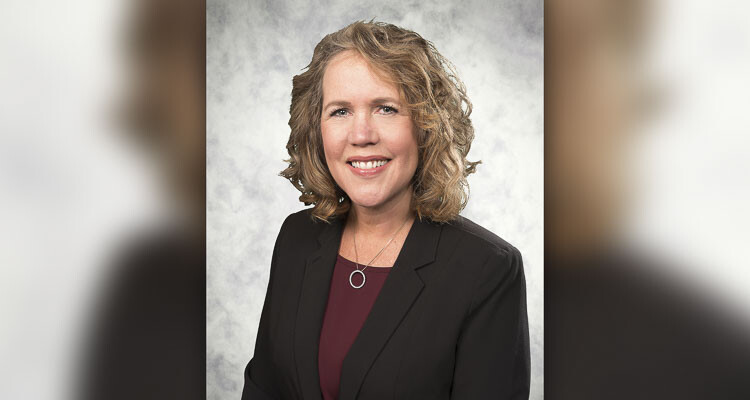
Umpqua Bank’s Heather Seppa offers advice on preparation for a potential emergency
As most of us in the Pacific Northwest are well aware, wildfire season can have a devastating effect on families, businesses and communities. That’s why there’s so much emphasis on preparation well in advance for a potential emergency — from packing disaster kits to keeping emergency “go” bags close by. This wildfire season, Umpqua Bank is sharing tips for financial preparedness in the event of an emergency, in addition to what you’ve already packed in your disaster kits.
Keep important documents close by
Effective disaster preparedness includes the safe storage of — and easy access to — critical financial and insurance documents you may need in an emergency. Consider keeping these important items in a lockbox you can easily grab and go in a disaster. Or, better yet, check with your bank about their safe deposit box offerings for proper safekeeping. Safe deposit boxes are specifically designed to withstand natural disasters such as floods, fires and tornados.
Documents to consider storing securely in one place include:
- Copy of your passport (or the original if you travel very infrequently)
- Birth certificate
- Marriage license
- Death certificates
- Social Security card
- Copy of your driver’s license
- Titles to your home and vehicles
- Copies of wills, trusts, powers of attorney and medical directives
- Insurance policies
- List of bank accounts, investments and credit cards
- Storage device with photos of belongings and/or an inventory list
- Some cash
If you choose to go the safe deposit box route, “Keep your safe deposit box key on your car ring,” says Heather Seppa, Umpqua Bank Region Manager for Northern Oregon and SW Washington. “A key in a desk drawer can be lost in a natural disaster. Also, consider adding a trusted co-lessor to your box. This person will be able to access the box when and if you can’t.”
Make sure you’re insurance ready
Now is also a good time to check with your insurance agent to ask about the documentation they recommend to have on hand should you need to file a claim. This will likely include things like:
- Detailed photos of expensive items and their serial numbers
- Photos and a list of jewelry, furniture and anything else of greater value or importance
- A video of your home or business and its contents
Remember to back up your photos and videos in the cloud and on a storage device you keep in your safe deposit box.
You may also want to ask your insurer whether your homeowner’s insurance covers your safe deposit items. While bank accounts are covered by FDIC-insurance, the contents in a safe deposit box are not.
Check with your trusted financial partners
It’s also smart to know ahead of time what types of assistance your financial institution may offer in the event of an emergency. Assistance could include things like the ability to pause payments in the immediate aftermath of a disaster, mortgage assistance if your ability to pay has been impacted or even rebuilding assistance for damaged homes.
If you live in a higher risk area, check with your bank now to see what they offer and what steps you would need to take to access this assistance. Don’t wait until a fire, earthquake or other natural disaster strikes to understand what options may be available to you.
Making sure you’ve considered all of the financial and insurance possibilities can help you move quickly in the event of a disaster, when time is critical for recovery.