
Browse everything
Every published Clark County Today story. Filter by topic, place or month — the address bar keeps your filters, so any view is easy to share.
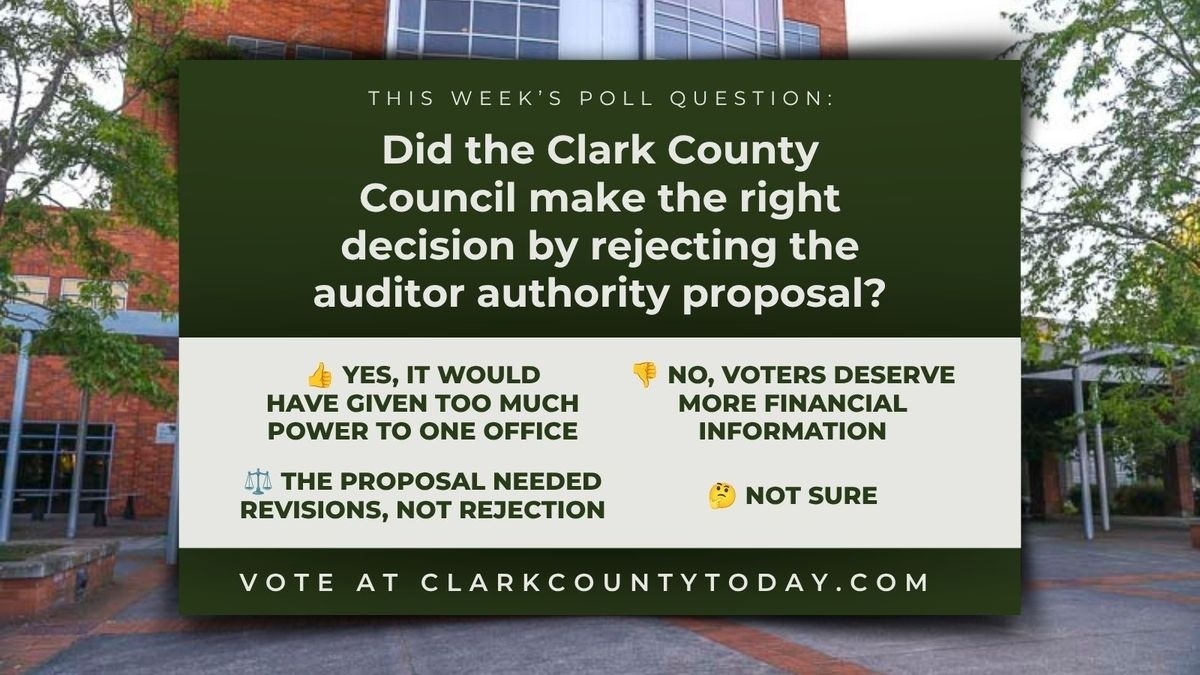
POLL: Did the Clark County Council make the right decision by rejecting the auditor authority proposal?
The 3-2 council vote rejected giving the auditor's office power to write financial impact statements for ballot measures.

Opinion: Hospital price transparency is good, but its impact will be limited
Washington still shields hospitals from competition through certificate-of-need laws other states have repealed.
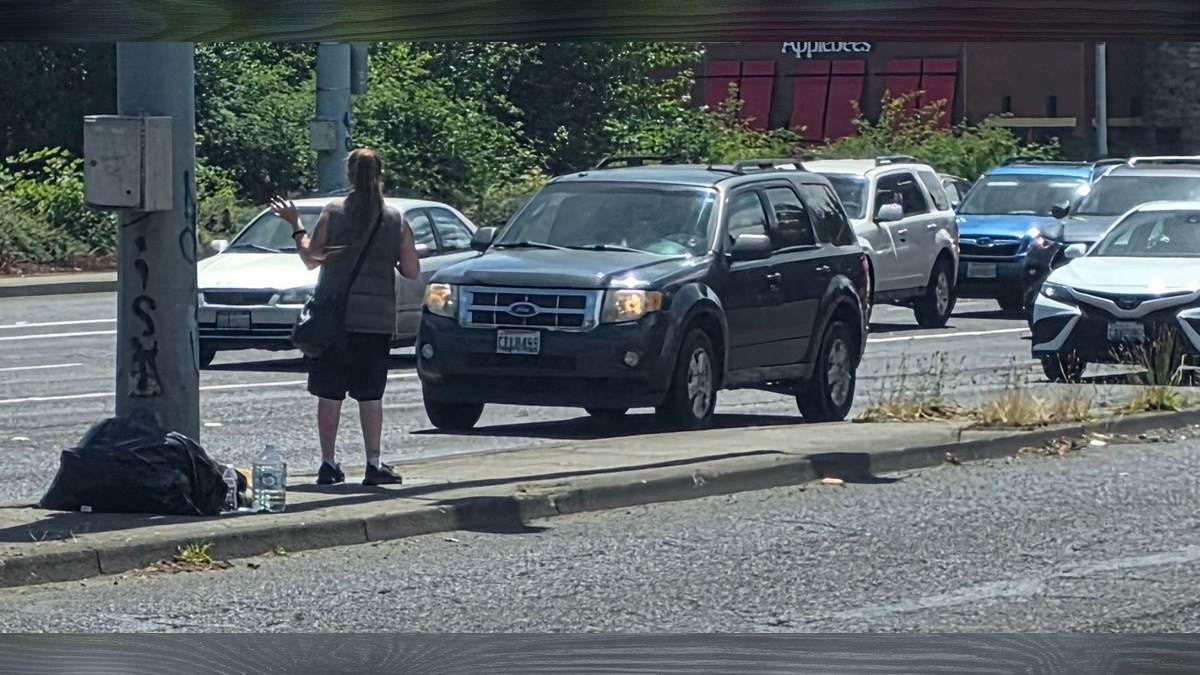
Vancouver amends municipal code, banning pedestrians from staying on traffic islands, medians
Vancouver's new ordinance targets people who remain on medians, not those crossing legally at crosswalks.

Opinion: Washington tax collections are running below forecast as the economy softens
Washington's tax collections are $135.4 million behind forecast since February as employment and revenue both slip.
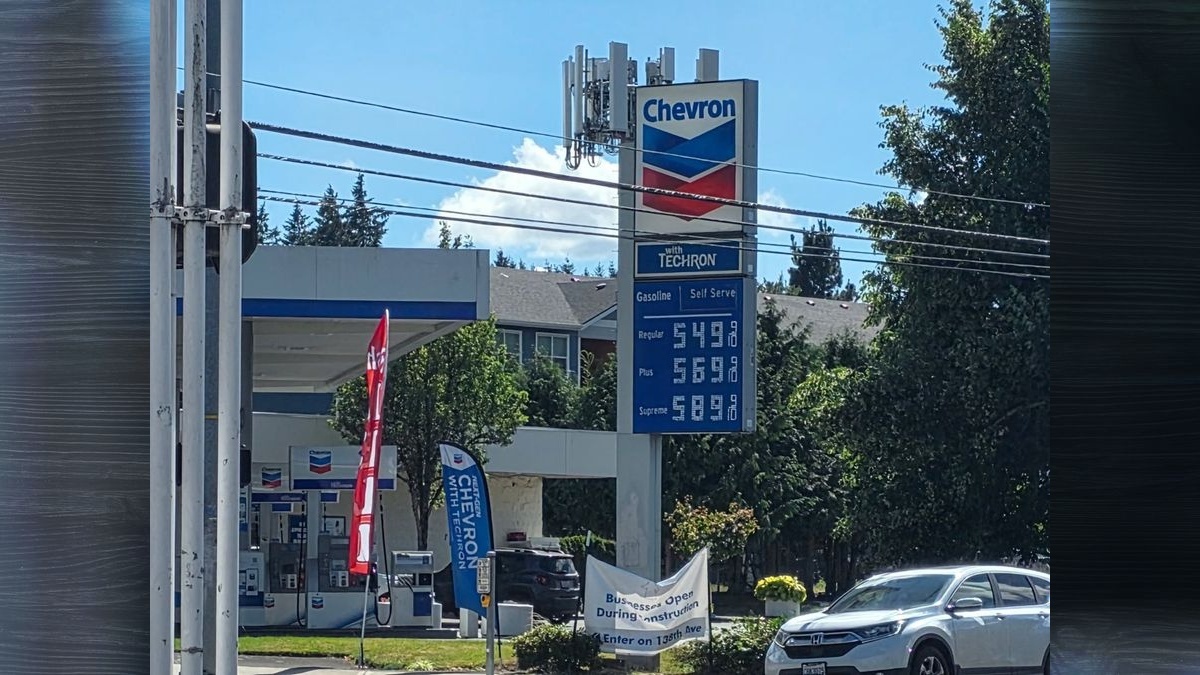
Washington gas prices stay high despite Iran deal as automatic tax hike looms
Washington's gas tax rises 2% on July 1 under a new inflation-tied annual indexing mechanism.
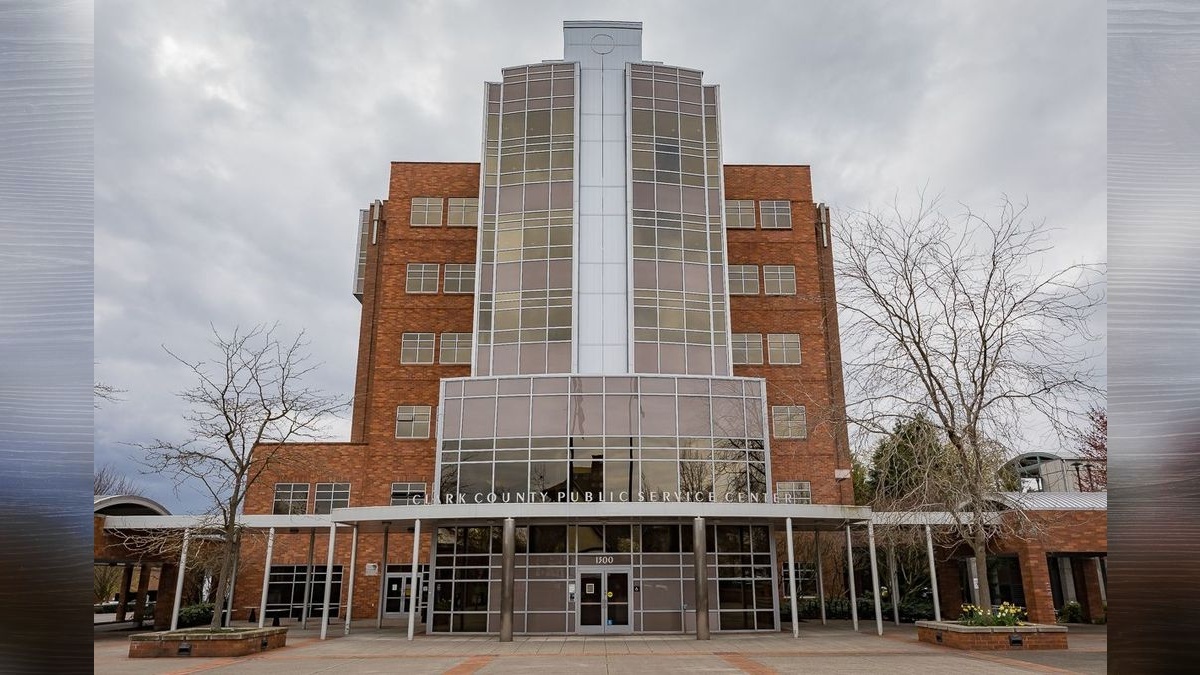
Clark County Council votes down proposal that would lead to more power for auditor’s office
The Clark County Council voted 3-2 against granting the auditor's office authority to place financial impact statements on ballot measures.
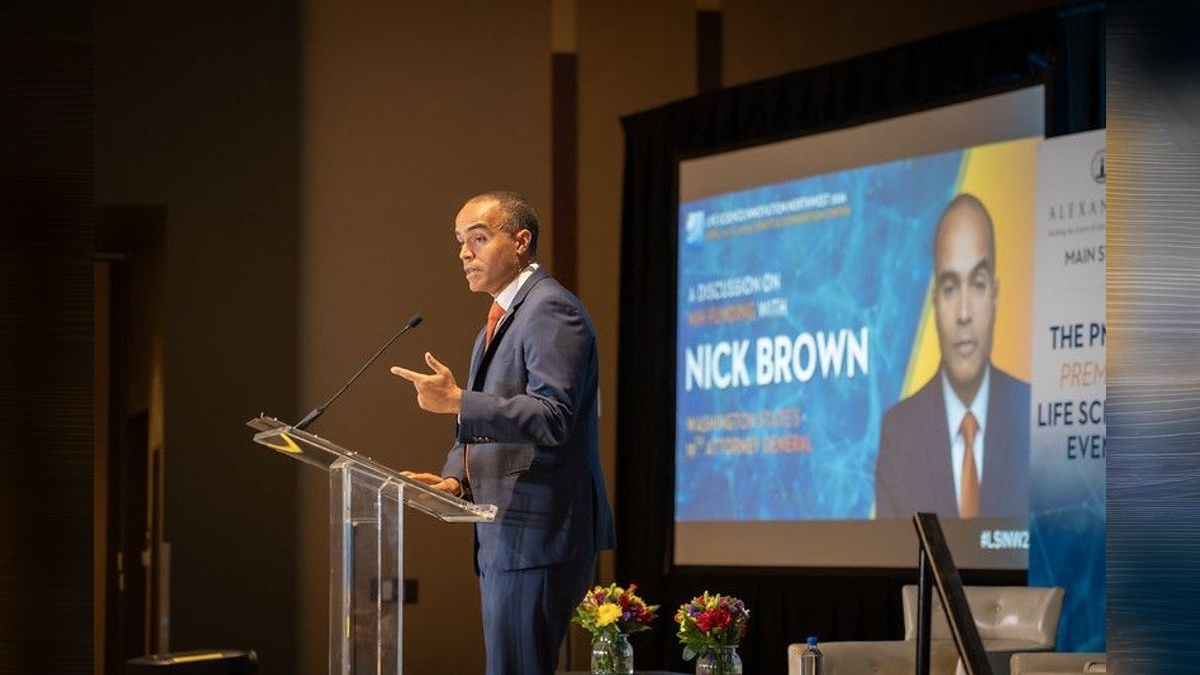
Opinion: Washington’s Attorney General offers strong defense of signature gatherers’ rights
AG Nick Brown urges 39 county prosecutors to protect signature gatherers from harassment and theft.

Letter: The IBR’s concrete obscenity
Bob Ortblad argues $17.7 billion buys one extra lane for five miles — and 30 years of debt for future generations.
Letter: The ‘free market’ cure that costs twice as much
Anthony Teso challenges a free-market healthcare proposal, citing $14,885 per-person U.S. spending versus a $7,371 OECD average.

Letter: ‘Don’t blame Jesus for Christian Nationalism’
Rev. Kate Lore argues Battle Ground's city government is promoting one religious worldview over all others.

Opinion: Supreme Court Position 1 – Fox in the henhouse
Melody's ties to the income tax strategy meeting and $175,519 in fundraising raise independence questions.

Opinion: Trading one bad healthcare system for another is not a solution
Washington Policy Center's Elizabeth New (Hovde) argues the state's Universal Health Care Commission ignores free-market alternatives entirely.
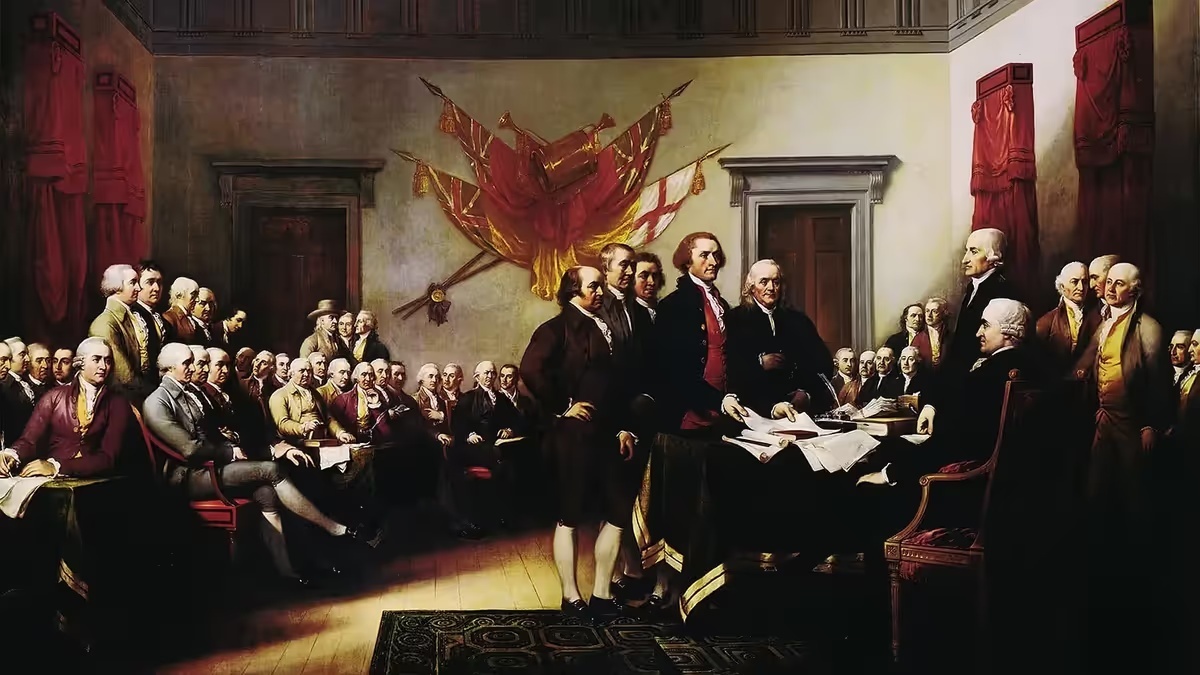
Opinion: What is the Declaration of Independence?
Rob Natelson breaks down the Declaration's five-part structure and its role as legal announcement, not lawmaker.

Opinion: ‘Democrats did their best to put America at risk’
Lars Larson ties a thwarted White House drone-sniper plot to a 76-day DHS funding battle in Congress.
Letter: The 250th belongs to the people, not to Trump
Tony Teso argues the 250th anniversary belongs to workers, immigrants, and dissenters — not any president.
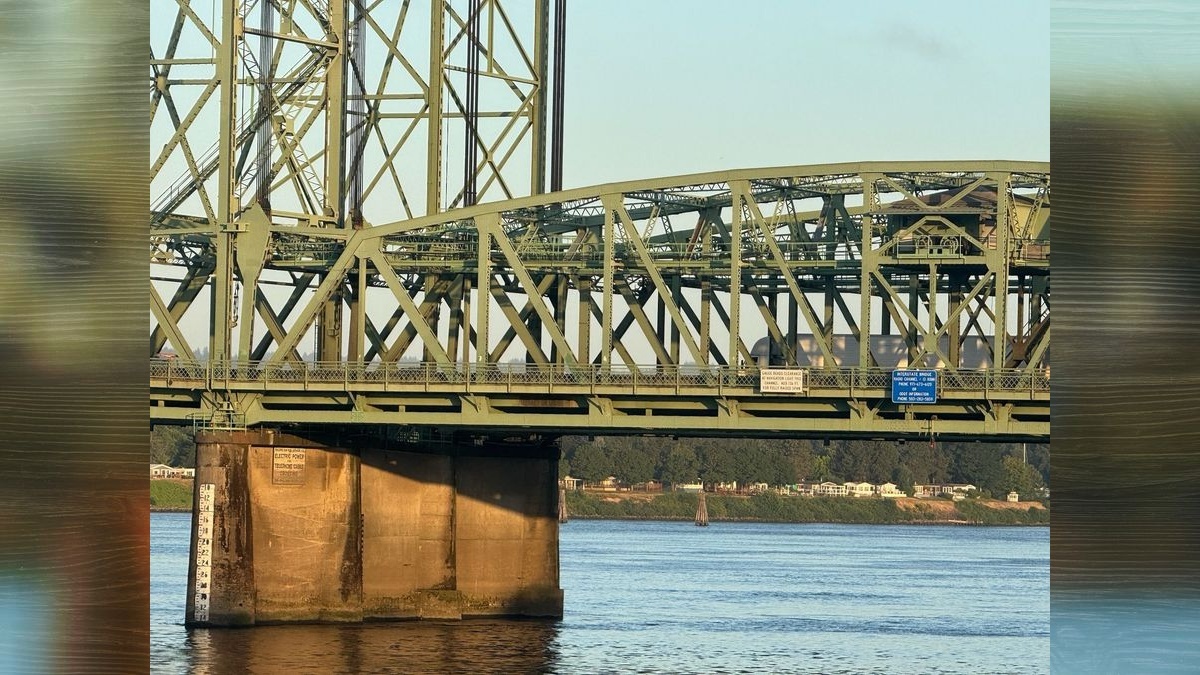
Opinion: Legislators demand two auxiliary lanes and challenge light rail plans for I-5 Bridge Replacement
Legislators from both states pressed IBR staff on auxiliary lanes, tolling diversion, and a $7.65 billion cost estimate with no clear path to full funding.

Washington falls again in national education ranking
Washington dropped from 27th to 31st in the Annie E. Casey Foundation's national child well-being ranking.
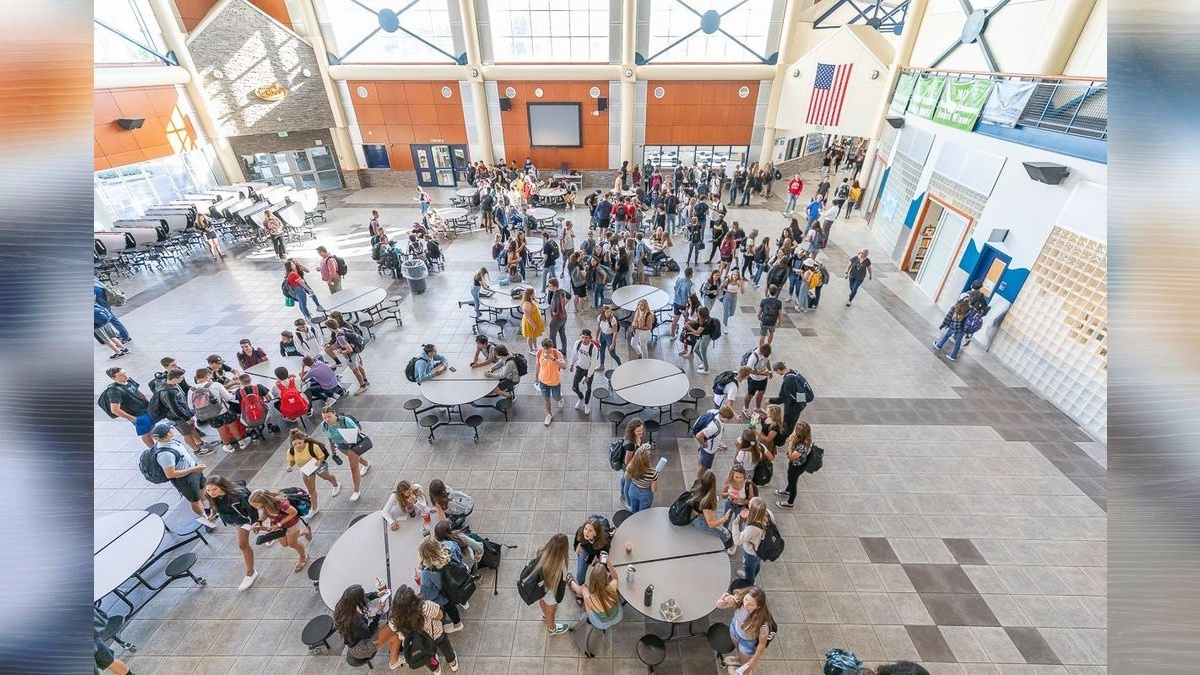
As AI use in schools grows, lawmakers and districts scramble to set up guardrails
85% of teachers used AI in class last year, but few received training on its risks or ethical boundaries.